
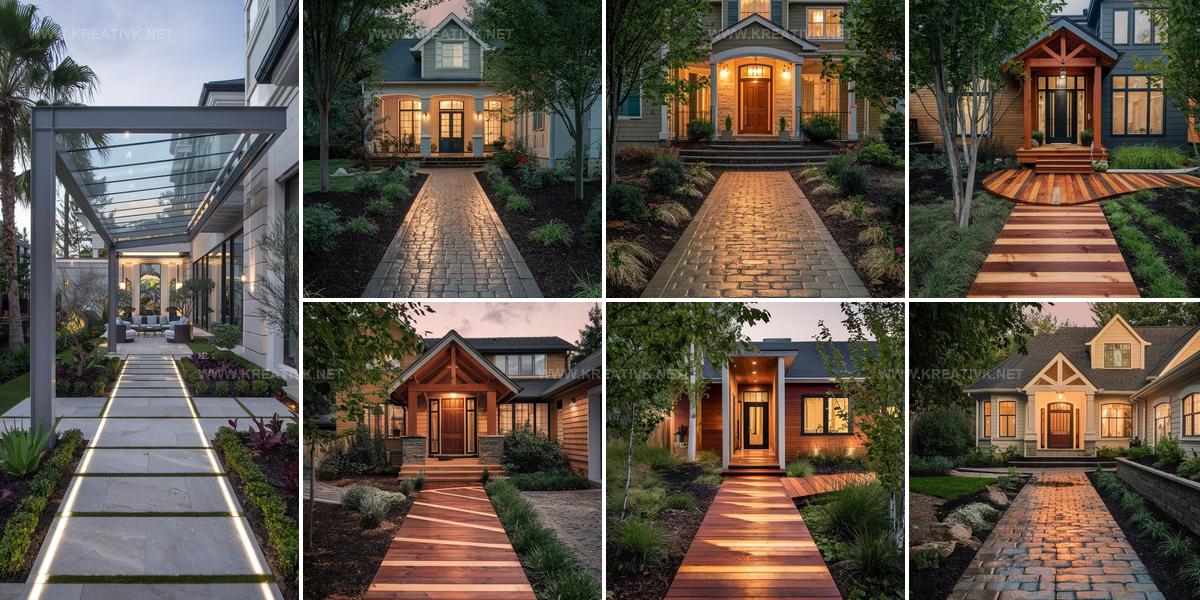
10 Wooden Pathways That Bring Charm to Your Garden
A wood walkway ideas can completely change how you experience and move through outdoor spaces while adding natural beauty to any property.
Wooden pathways serve both practical and aesthetic purposes, offering safe passage through gardens, yards, and landscapes while complementing the surrounding environment with warmth and character.
Whether connecting different areas of a property or simply providing a charming route through flower beds and greenery, these structures blend functionality with visual appeal in ways that feel timeless and inviting.
The versatility of wood as a building material allows for countless design approaches, from rustic and casual to sleek and modern, making it suitable for virtually any architectural style or landscape vision.
Choosing the right design involves considering factors like climate, terrain, maintenance preferences, and how the pathway will integrate with existing features.
Understanding what works best in different situations helps ensure the final result feels cohesive and serves its intended purpose beautifully.
Finding inspiration and guidance will help you make informed decisions that lead to a walkway worth admiring for years to come.
Wooden Pathway Through Raked Gravel
Every Japanese Zen garden pathway draws attention immediately with its clean wooden planks stretching in either a straight line or gentle curve through your yard, and this simple design sets the stage for everything else around it.
Raked gravel fills the spaces beside the path and creates rhythmic patterns that shift as light moves across the surface throughout the day.
Stone lanterns positioned along the walkway add vertical interest and serve as natural stopping points where you might pause and reflect.
Bamboo fencing frames the space on either side and reinforces the calm feeling without overwhelming the senses.
You can keep plantings minimal, allowing the pathway itself to become the main focus and guide visitors through a quieter state of mind.
Natural materials work well together here because they all age gracefully and blend with their surroundings.
Walking this pathway becomes a meditative experience, and the whole garden benefits from the sense of balance it brings.
Stone-Dotted Hardwood Landscape Pathway
This wooden pathway lined with stepping stones offers a wonderfully rustic charm that catches attention immediately when first arrive.
You can arrange flat stones, river rocks, or reclaimed bricks at regular intervals along wooden planks to build something truly one-of-a-kind.
In all stone placement breaks up the wood texture and adds personality to the overall design.
Materials like river rocks bring natural variation in color and shape, making the path feel less structured and more organic.
Reclaimed bricks work especially well if your garden already has vintage or weathered elements nearby.
You may find that mixing different stone types prevents the walkway from feeling monotonous or overly planned.
Wooden Pergola Pathway With Climbing Vines
This pergola-covered walkway brings instant drama and dimension to your garden path through its bold wooden framework that stretches overhead.
You can dress up these beams with climbing vines and plants, which softens the structure while offering welcome shade as you stroll through.
Hanging plants from above add another layer of greenery that catches light and movement.
Consider suspending lanterns between the posts so they glow at dusk and guide your way through the garden.
Bird feeders hung along the pergola attract wildlife and turn your pathway into a living, breathing space.
Elevated Hardwood Pathway Terrace Protection
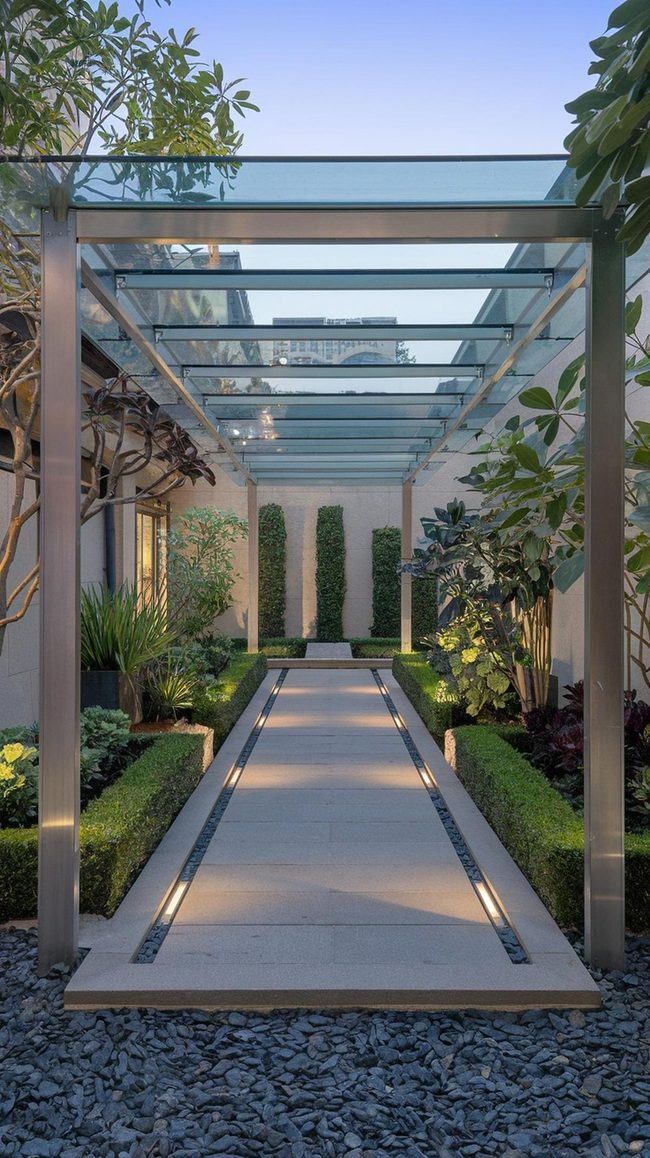
This wooden pathway built up above ground level becomes one of your garden's most noticeable features, and it serves the built for regular use purpose of keeping your soil and plants safe from foot traffic and water damage.
You can construct this using sturdy wooden beams or posts set at a higher elevation, which automatically draws attention and gives your exterior area structure.
Beyond just looking great, this raised design prevents people from accidentally stepping on delicate plants and reduces erosion problems that come with regular ground-level paths.
Building one means you get both function and form in a single garden element.
Wood naturally weathers beautifully over time, adding character as seasons pass.
Your plants stay healthier because foot traffic gets redirected away from their roots.
Visitors will naturally follow the pathway, and the height difference makes movement through your garden feel purposeful and pleasant.
If you're looking to upgrade a basic garden layout, this is one of the easiest ways to make a real difference in how the space looks and works.
Curved Walnut Yard Path Flow
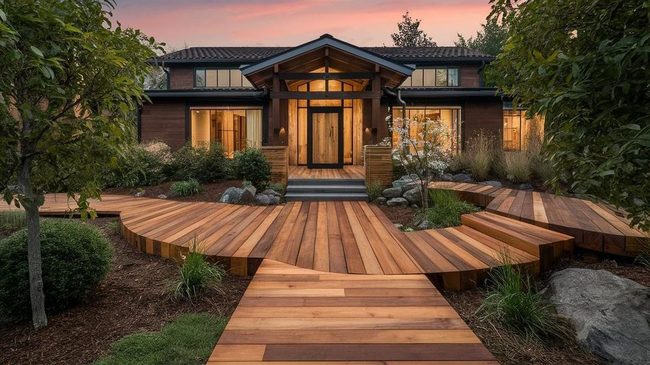
This curved wooden walkway makes your garden path stand out with its sweeping, graceful lines that draw people naturally through the space.
You can build this look by bending wooden planks or purchasing pre-curved boards designed for this purpose.
Rather than walking in a straight line, people dropping in move along a path that opens up new views around throughout bend and encourages them to explore further into your garden.
Curved pathways work especially well in larger yards where you want to guide movement and reveal different areas as people walk.
Wood gives the path warmth and texture that fits well with growing plants and natural surroundings.
It's a simple way to add both beauty and function to how people move through your outdoor space.
Zigzag Grain Path Alfresco Design
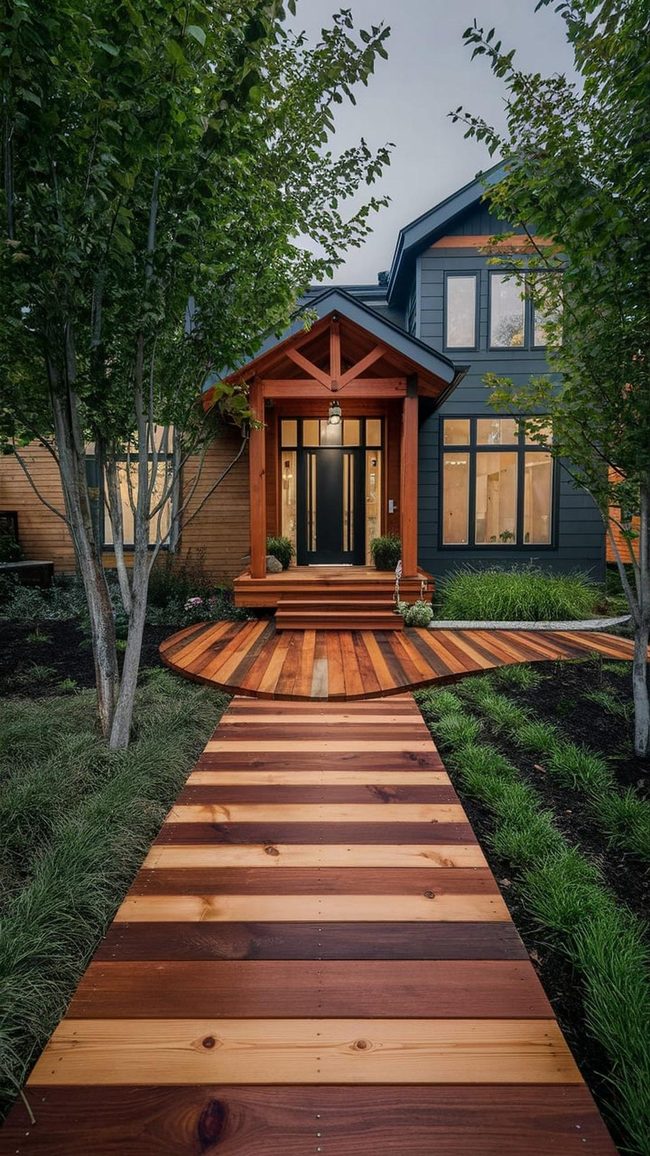
Each zigzag wooden walkway brings playful movement to your garden paths and guides visitors through the space with rhythm and flow.
You can paint or stain the wood in contrasting colors to make the angular pattern stand out and catch attention from across the yard.
As people walk along the winding route, the design naturally slows them down and encourages them to observe the plants and features around them.
Different wood tones or clear paint finishes make the path pop against green grass or garden beds.
You might alternate between light and dark shades to emphasize across bend and turn.It's an easy way to add personality to your yard space without needing professional help or expensive materials.
Wooden Planks Patio Walkway Paths
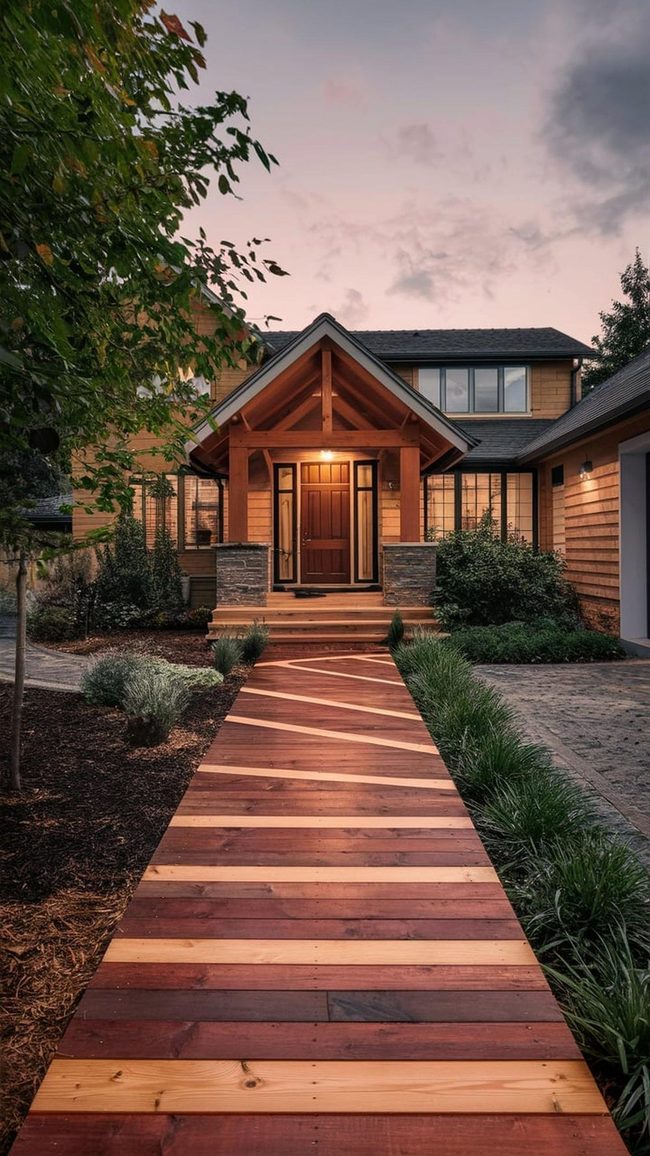
Classic wooden planks stand out as one of the most striking and adaptable to different needs choices for garden walkways, and arranging them in straight lines or zigzag patterns gives you flexibility in how you want your path to flow.
You have excellent options when it comes to wood types, with cedar, redwood, and pine all offering different looks that can match your garden's existing style.
Straight arrangements feel clean and organized, while zigzag layouts add visual interest and guide visitors through your space in unexpected ways.
Cedar naturally resists rot and insects, making it a smart choice if you want your planks to last longer.
Redwood brings a warm, reddish tone that ages beautifully in garden settings.
Pine offers an affordable option that works well if you plan to stain or seal it regularly to keep it protected from the elements.
Once you pick your wood and pattern, maintaining these planks with occasional cleaning and resealing keeps them looking fresh and extends their life in your garden.
Wooden Boardwalk Patio Pathway
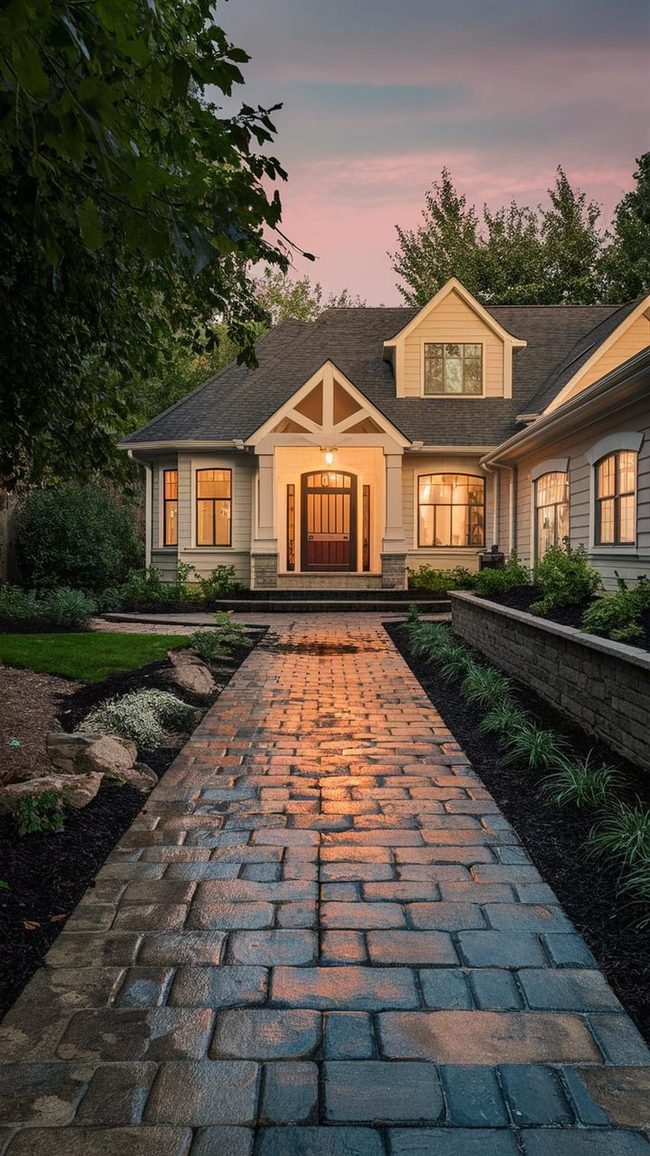
Build a seaside-inspired pathway in your garden using wooden planks laid out in parallel lines that resemble an actual boardwalk, and this simple design immediately brings that coastal feeling right into your open-air space.
Adding railings along the sides gives you safety while strengthening the authentic boardwalk look, and benches placed at intervals offer spots to sit and take in the view.
Lighting elements scattered throughout the pathway become especially striking in the evening, guiding your steps and casting warm glows across the boards.
String lights overhead or lantern-style fixtures work particularly well for this style and enhance the seaside atmosphere.
You can also incorporate weathered wood finishes and perhaps some rope accents to push the nautical theme further.
Gravel or sand around the planks reinforces that beachside character and contrasts nicely with the wood.
Walking through this kind of pathway makes any garden feel like a small getaway from everyday life.
Gravel And Rustic Timber Plank Pathways
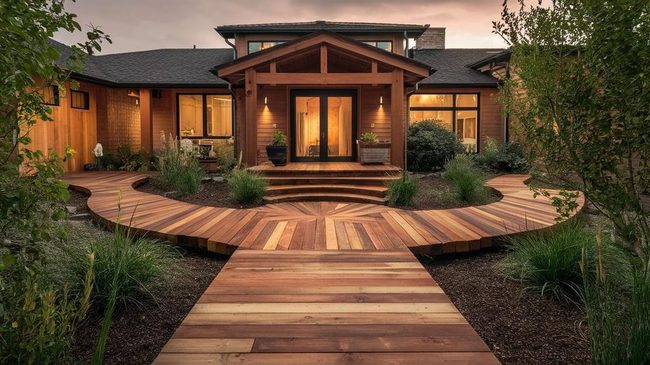
Combining gravel and wood planks gives you a garden pathway that looks natural and unpretentious, and the contrast between these two materials really stands out visually.
Wood planks laid across gravel establish an interesting texture that catches light differently depending on the time of day.
You can use the gravel as a base layer or fill the spaces between planks to add depth and dimension to your walkway.
This mix of rough and smooth surfaces makes the path interesting to look at and walk on.
The neutral tones of gravel and wood feel balanced without demanding too much attention.
If you want your garden pathway to feel grounded and tied to the natural world around it, this combination delivers that feeling without fuss.
Chevron Wooden Yard Pathways
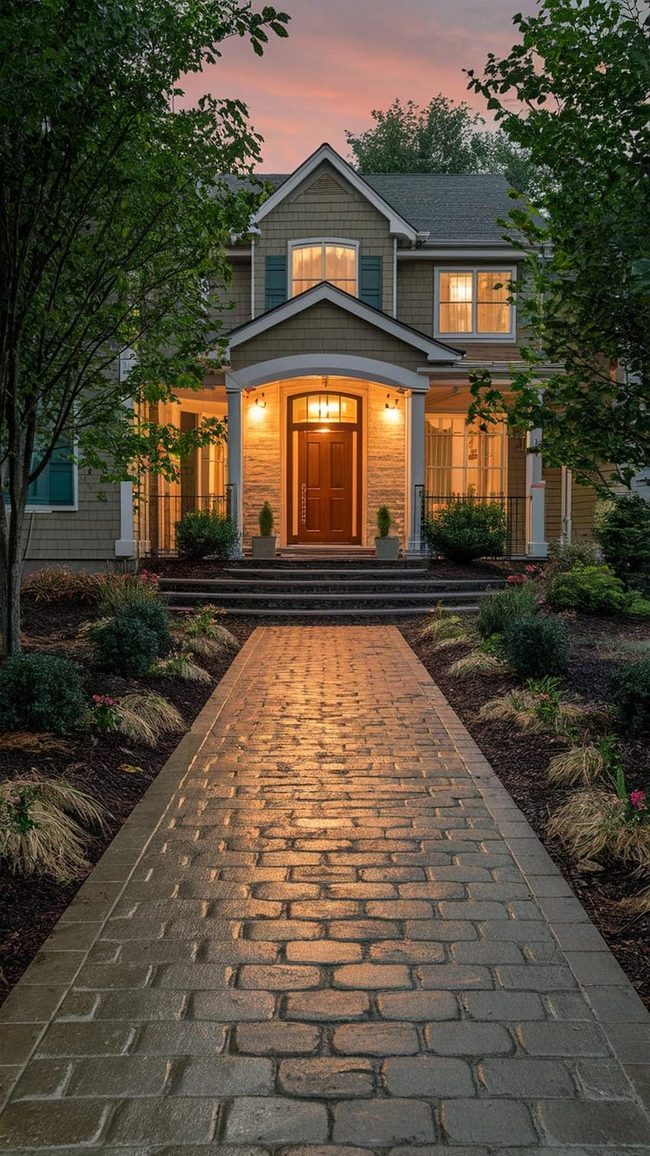
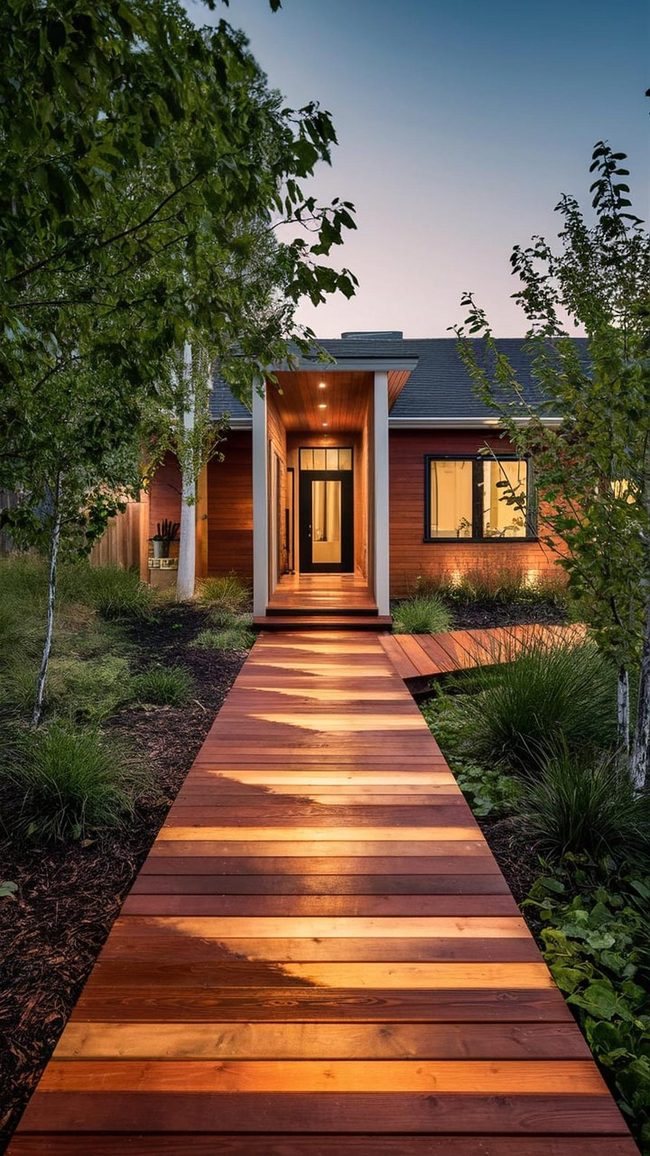
Large chevron-patterned wooden walkways grab attention immediately with their bold V-shaped arrangement of planks running through your garden space.
You can paint or stain the wood in contrasting colors to make the geometric design pop even more and give your pathways a modern edge.
This type of pathway works well if you want something that stands out visually and adds contemporary style to your exterior areas.
Multiple wood tones or shades help emphasize the zigzag pattern and keep eyes moving along the route.
It's straightforward to install since you're simply arranging standard wooden planks in a repeating pattern.
Your garden gets an instant style boost without needing complicated construction or special materials.
Whether you go with natural wood finishes or bold paint colors, this walkway option delivers both beauty and direction to your landscape.
Liam Caldwell
Lead Designer & Innovation Strategist
Expertise
User-Centered Design, Creative Problem Solving, Modern Aesthetic Integration, Technology-Driven Design Solutions, Adaptive Space Planning, Trend Analysis, Sustainable Design Solutions
Education
New York School of Interior Design
Liam Caldwell brings fresh ideas to kreativk.net by turning everyday spaces into unique, inviting areas.
Living in Philadelphia and trained at the New York School of Interior Design, he mixes basic design skills with modern technology to make rooms both stylish and useful. Liam is passionate about sustainable design and always finds creative ways to improve the spaces where we live.