
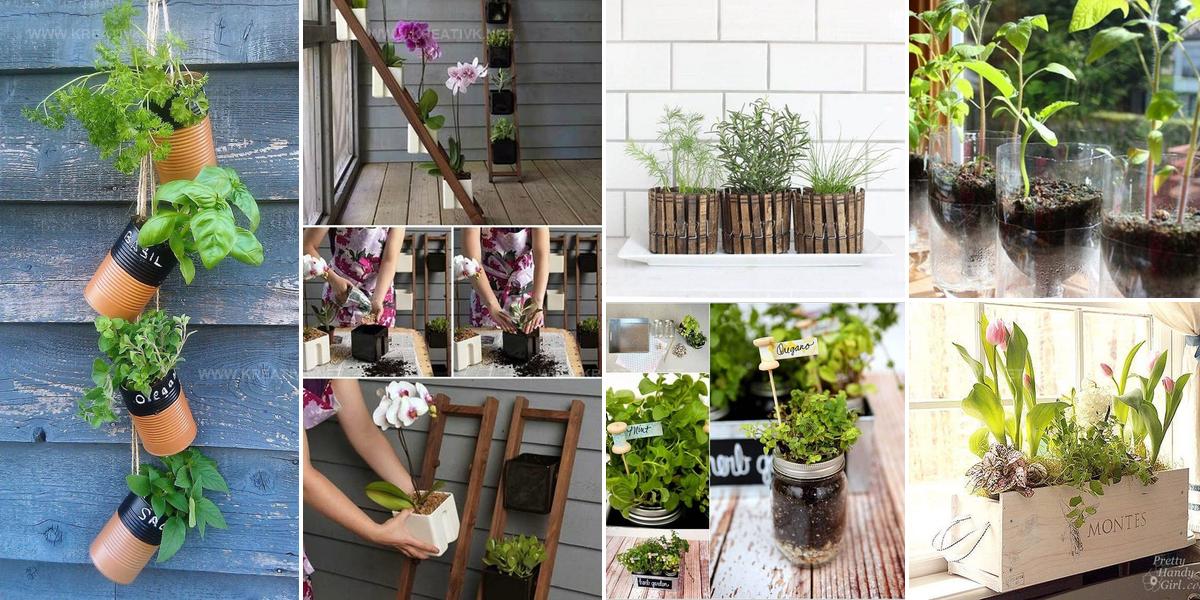
14 Creative Upcycled Indoor Garden Ideas for Small Spaces
Upcycled indoor garden ideas help environmentally conscious individuals grow plants beautifully while reducing waste and saving money at home.
Anyone can turn forgotten household items into functional planters without spending much or harming the planet.
Old containers, bottles, and furniture gain new purpose when repurposed as creative growing spaces for herbs, flowers, and vegetables.
Simple materials already sitting in closets or garages become stunning plant displays with minimal effort needed.
Budget-friendly solutions make indoor gardening accessible whether living in apartments, small homes, or houses with limited outdoor space.
Sustainability meets style as discarded objects bloom into living focal points that purify air and boost mood daily.
Vertical Ceramic Garden Ladder
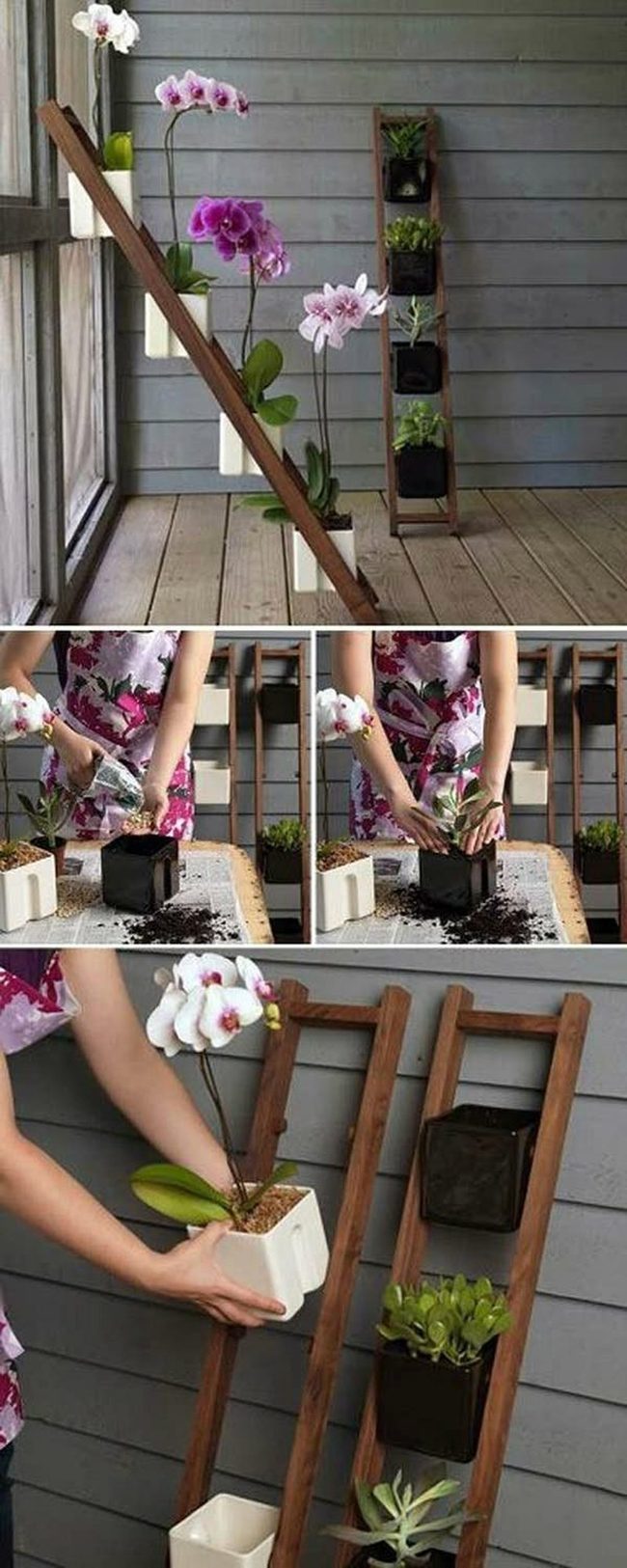
Ladder planters stack colorful ceramic pots at different heights, creating eye-catching vertical gardens that burst with greenery and dimension without hogging your floor space.
You can use small wooden or metal ladders indoors or outside, and they work beautifully as charming plant displays for herbs, succulents, and trailing varieties.
Mounting shelves across the ladder rungs gives you multiple levels to arrange your potted plants and experiment with different combinations.
Paint the ladder frame to match your home's style, and you've got a personalized garden feature that reflects your taste.
Positioning your ladder planter near a window ensures your plants get the sunlight they need to thrive.Repurposed ladders prove that green living doesn't require much square footage at all.
Wooden Pallet Herb Wall
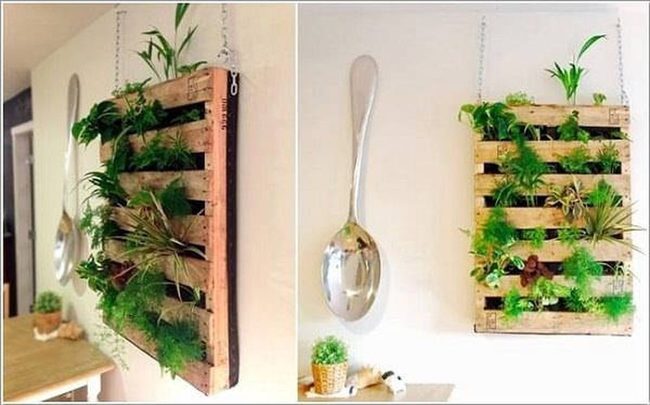
Mounting recycled wooden pallets on your kitchen wall creates a stunning vertical garden that transforms limited space into a lush herb display, and herbs like basil, thyme, and rosemary thrive beautifully in these systems while adding rustic charm to your home.
Wooden pallets work perfectly as growing surfaces because they're already designed with natural spacing and can hold multiple plants without taking up floor room.
Setting up your pallet garden requires just basic tools and lumber brackets to secure the structure safely to your wall.
You'll need to drill drainage holes throughout the pallet and fill each pocket with lightweight potting soil so water drains properly and roots stay healthy.
This approach gives you fresh herbs steps away from your stove and connects sustainable design with practical cooking needs.
Repurposed wood brings that warm, lived-in feeling to your kitchen while keeping your herb collection green and growing year-round.
Wooden Clothespin Herb Gardens
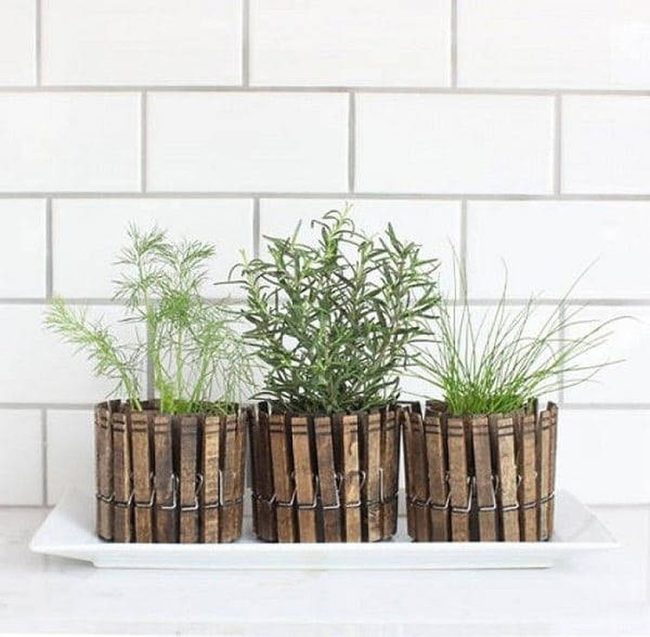
Clothespin planters offer a delightful way to grow small plants and herbs in tight spaces around your home, and wooden clothespins transform into charming mini holders with almost no effort needed.
The compact design works wonderfully on kitchen windowsills or tucked into workspace corners where traditional pots won't fit.
Anyone can craft this recycling project without special skills or tools, making it perfect if you're new to DIY gardening.
Wood provides natural texture and warmth that complements plant displays beautifully, and the affordability means you can make several planters without spending much money.
Repurposing old clothespins gives your home sustainable charm while you nurture green companions, and this simple approach brings both nature and resourcefulness into your everyday spaces.
Matte Black Plant Labels
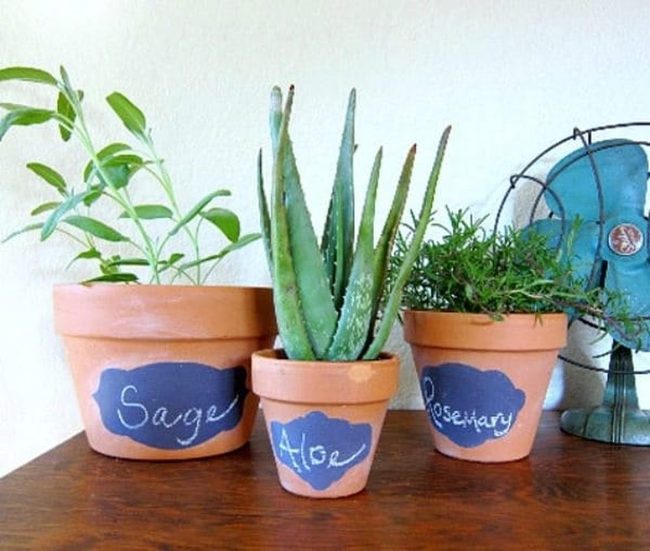
Chalkboard planting pots turn standard garden containers into something playful and personal with matte black paint that gives you a smooth surface for writing plant names, care instructions, or planting dates.
Chalk markers make it easy to switch labels whenever you want without any permanent marks, so you can update information as your plants grow and change.
Home gardeners love how quickly they can customize their indoor plant collection with these simple DIY techniques, and the best part is that you don't need special skills to upgrade plain pots in just a few minutes.
You get both charm and function from decorative labels that keep plant information right where you need it and organized in one spot.
Paint transforms those boring surfaces into useful spots for tracking what each plant needs and when you planted it.
The whole project comes together fast, and anyone can do it with basic supplies from home.
Painted Metal Cans Grow Fresh Herbs
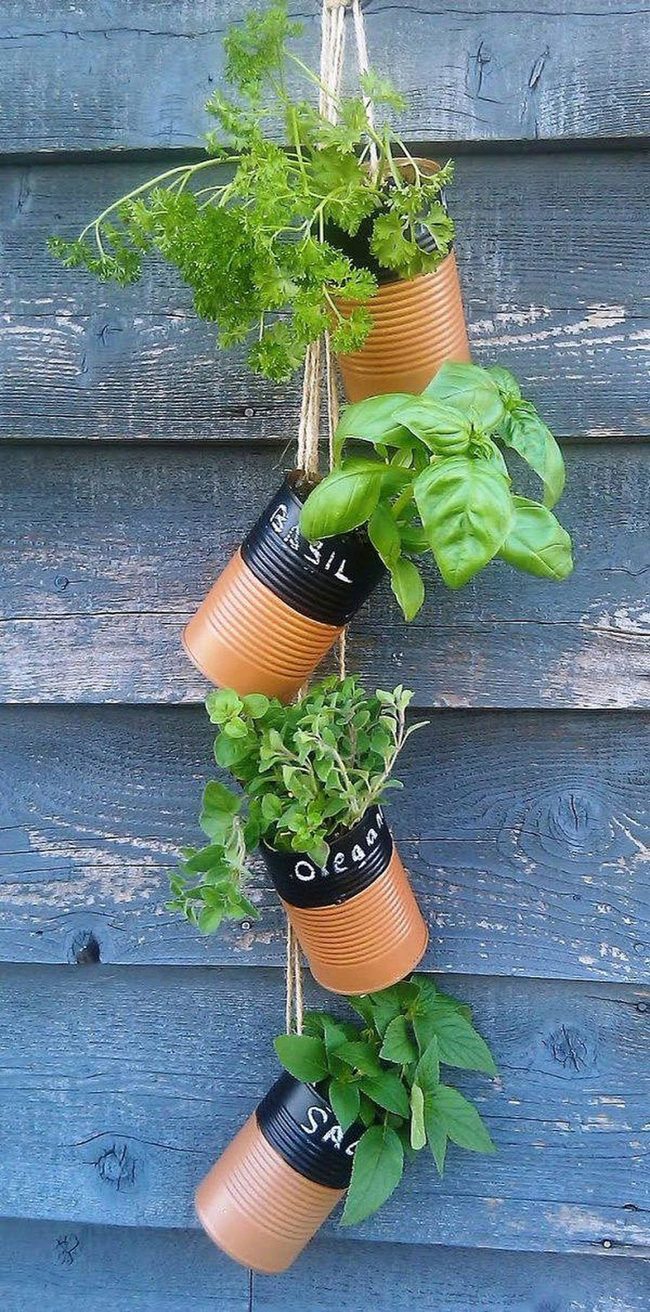
Hanging vertical herb gardens with painted metal cans turn your kitchen walls into bursts of color and living greenery that bring fresh herbs right where you cook.
Those metal cans sitting in your pantry can be cleaned, drilled, and painted in bright colors to become cheerful plant homes for basil, oregano, mint, and other culinary herbs.
Simple mounting techniques let you transform empty wall space into productive growing areas without taking up counter or shelf room.The combination of greenery and colorful containers adds life and function to kitchens that feel cramped or plain.
Vertical herb gardens work especially well in smaller homes where floor space is limited but walls remain underused.
Growing your own herbs this way means you always have what you need for cooking, and the plants themselves brighten up any kitchen with natural beauty and movement.
Whitewashed Wood Crate Planters
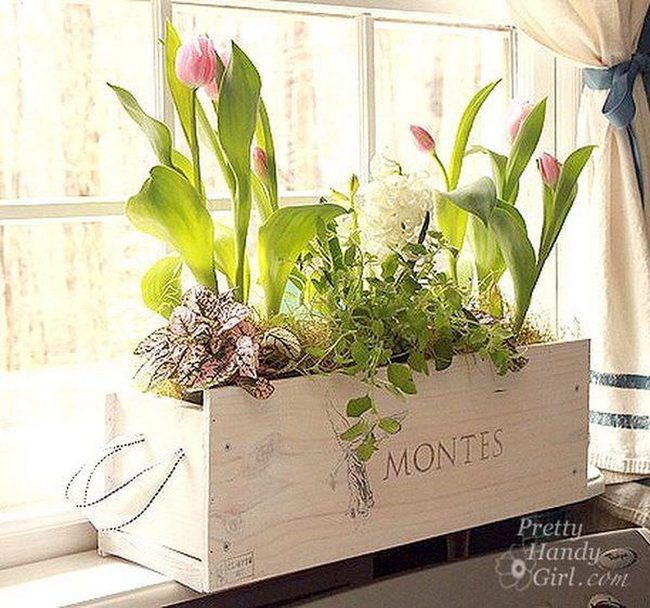
Whitewashed wine crate window boxes turn old wooden crates into striking indoor planters that bring rustic farmhouse charm right into your home, and the weathered finish from the whitewash gives them that vintage look you're probably after.
You can fill these boxes with green herbs or small decorative plants, and they work wonderfully on windowsills where natural light keeps everything thriving.
Building one doesn't require fancy skills or tons of tools - just basic woodworking knowledge gets the job done.
Sand the wood carefully and prepare it well before painting, and you'll end up with results that look like someone professional made them.
Repurposing forgotten materials means you're adding real character to your space while keeping things sustainable and eco-friendly.
These planters sit perfectly in windows where they catch sunlight all day.
The whole project gives your home gardening a fresh boost without breaking the bank or requiring special expertise.
Vintage Metal Truck Planters
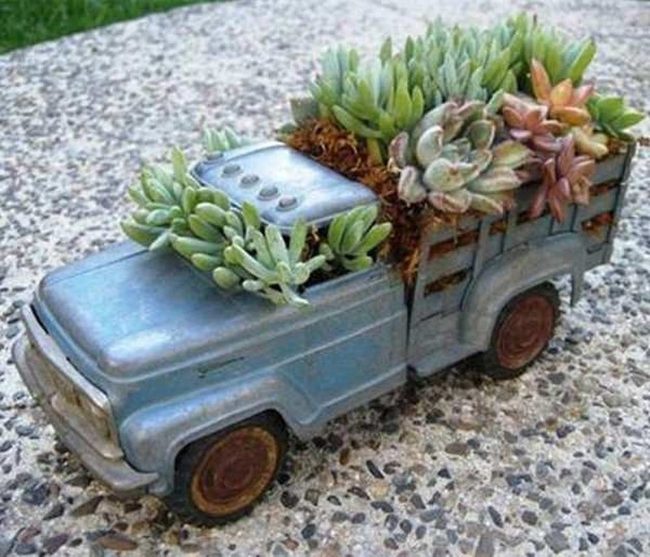
Rusty vintage toy trucks transformed into planters make bold statements on your windowsills, where natural light hits their weathered metal surfaces and brings out nostalgic character that draws the eye immediately.
These forgotten playthings gain fresh purpose as charming containers for succulents and small greenery, and compact plants nestle perfectly inside the truck beds to create living art pieces.
Upcycling old toys taps into something clever for both plant lovers and vintage collectors, and the whimsical charm of this recycling magic sparks real interest among kids and adults alike.
Windowsills become perfect stages for these playful planters, letting you showcase miniature botanical scenes in a way that feels both unexpected and delightful.
The transformation rescues forgotten childhood treasures from dusty storage and turns them into functional homes for delicate plants.
Cork Succulent Magnets
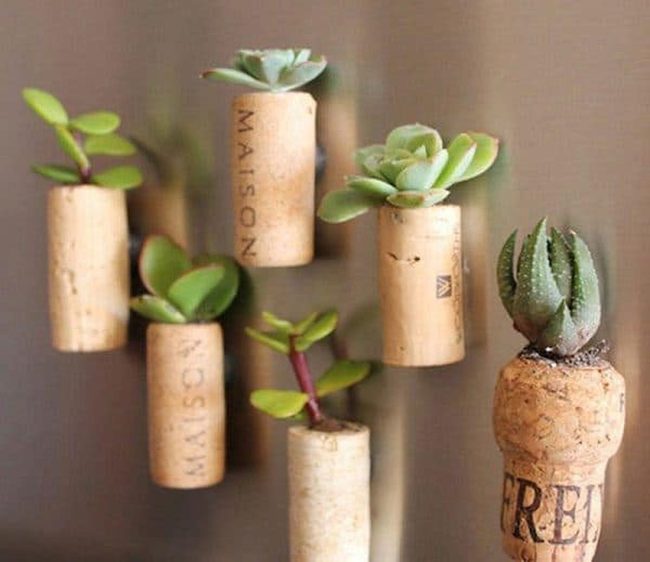
Magnetic cork gardens transform ordinary kitchen walls and refrigerator spaces with charming succulent displays that suddenly pop with miniature botanical accents.
Wine corks quickly become compact plant holders you can stick on any metal surface, and small succulents nestle perfectly inside these cork containers to create adorable micro gardens.
Crafty gardeners love these mini planters for adding green touches around kitchens and home offices without needing complex gardening skills.
Simple materials like used corks, small magnets, and tiny plants work together to maximize small spaces and bring unexpected whimsy to bland areas.
Recycling wine corks offers an elegant solution for anyone wanting greenery in their home, and the quick DIY process means you can set up your botanical display in just minutes.
Vintage Teacups Growing Fresh Herbs
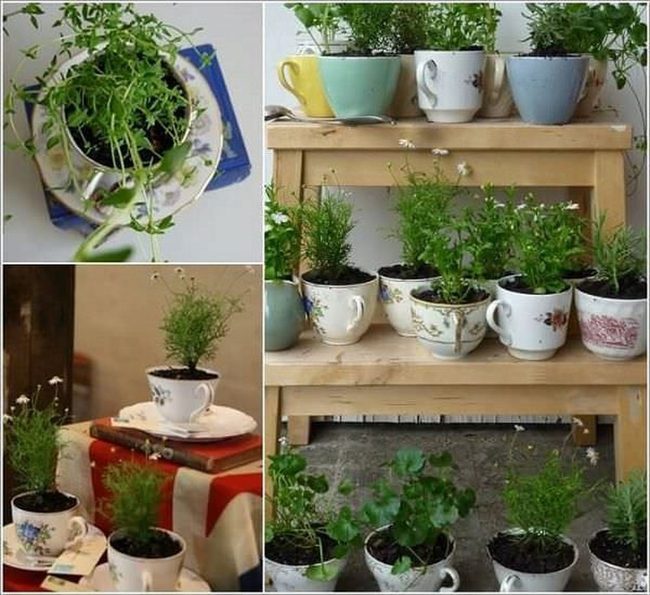
Old teacups overflowing with fresh basil, mint, parsley, and thyme turn your kitchen windowsill into a living garden that's both beautiful and useful.
Those forgotten ceramic cups hiding in your cabinet make surprisingly perfect homes for culinary herbs when you drill drainage holes in the bottom and layer in some pebbles and potting soil.Small planters like these work especially well on tight windowsills where regular garden pots just won't fit.
You get fresh herbs within arm's reach whenever you're cooking dinner or making tea.
Repurposing vintage pieces instead of buying new containers feels good and looks even better on your shelves and counters.
Transparent Glass Herb Garden
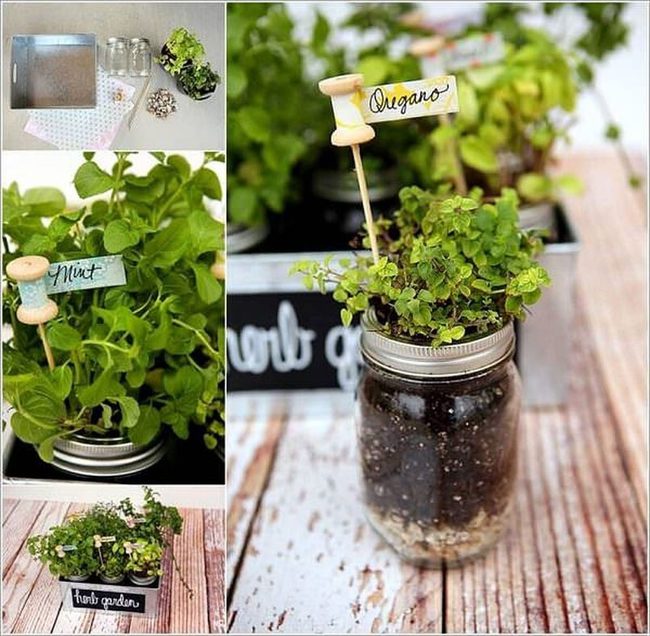
Mason jars sitting on your kitchen windowsill packed with tiny succulents and herbs make a charming green display that costs almost nothing to set up.
These transparent glass containers let you see the soil and roots while holding small plants that thrive in confined spaces.
You can grab old jars from your pantry and fill them with miniature greenery, turning what would have been trash into living decor.
Wrapping twine around the rim or painting the lid gives each jar its own personality and makes the whole arrangement feel more intentional.
The beauty of this approach is that it works in small apartments, dorm rooms, or anywhere you lack garden space.
Since mason jars were designed to hold food, they work perfectly for plants and herbs you might want to snip for cooking.
Small plant collections grow well in these humble containers without draining your wallet on fancy planters.
Ceramic Vessels, Living Gardens
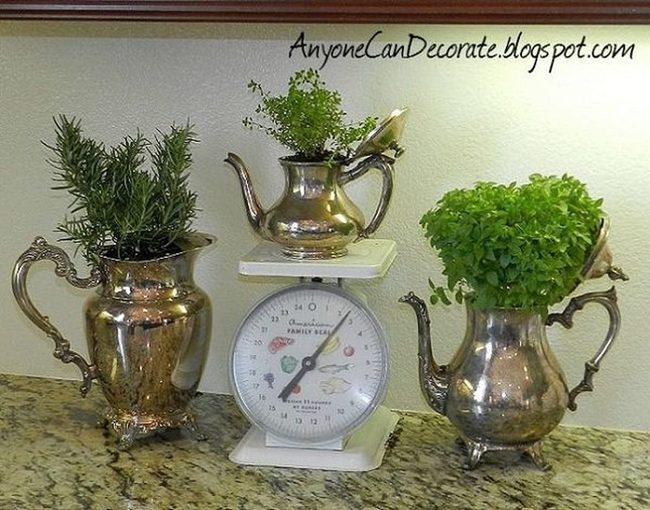
Old porcelain and ceramic pieces from your kitchen can become green sanctuaries with almost no effort on your part.
Delicate teapots work best as small herb gardens that bring personality to your cooking area, while classic pitchers become wonderful homes for succulents or trailing greenery.
We can drill small holes into ceramic vessels to give them proper drainage, and this simple step means you get excellent planters from items already in your home.
Repurposing kitchen ceramics saves money and lets you build artistic plant arrangements without buying expensive containers.
Decorative planters breathe new life into forgotten kitchenware while nurturing beautiful green companions that make your space feel more alive.
Concrete Blocks Garden Shelving
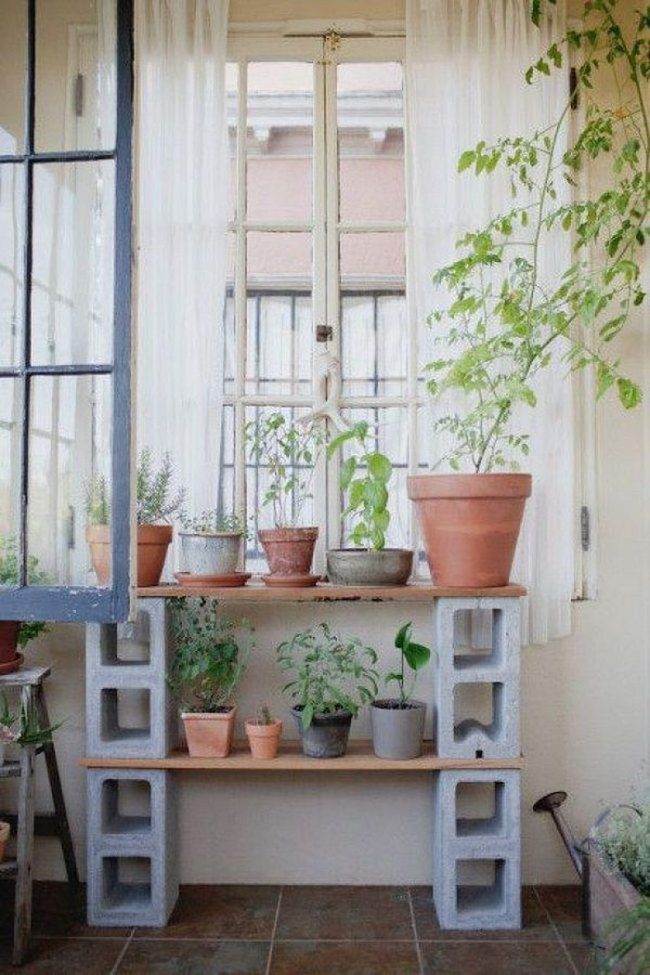
Cinder block potting benches bring striking industrial character to your indoor gardening setup while maximizing plant space with raw concrete and wood simplicity.
Sturdy blocks stack into strong foundations that support wooden shelves in just minutes, and the weight-bearing capacity handles heavy ceramic or terra cotta containers without any wobbling or concern.
Wood planks rest directly across the blocks to form instant shelving where you can arrange potted herbs, succulents, and small houseplants at different heights
Materials stay affordable too, so you won't break the budget while expanding your indoor growing areas.
The whole setup gives you a functional workspace that looks genuinely useful and honest rather than fussy or overdone.
Recycled Bottle Self-Watering Planters
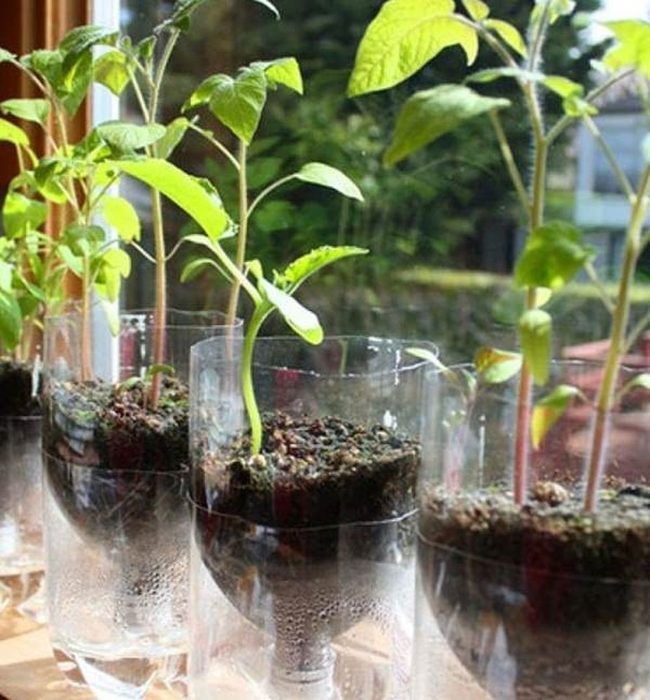
Plastic bottles transform into clever plant containers using simple household materials, and these self-watering soda bottle planters solve major watering challenges for anyone who tends to forget about their plants.
Water reservoir systems keep soil consistently moist without you needing to water daily, while drainage holes and wicking mechanisms ensure your plants receive just the right amount of moisture every time.
Recycled bottles reduce waste and provide an affordable growing solution for herbs, small vegetables, and decorative plants all in one simple setup.
Beginner gardeners love how quickly they can set up these sustainable containers, and the compact designs make them ideal for small spaces like apartments, windowsills, and kitchen counters where you need to make every inch count.
We find that this approach works well for anyone looking to garden without constant maintenance or spending money on expensive equipment.
Industrial Metal Succulents
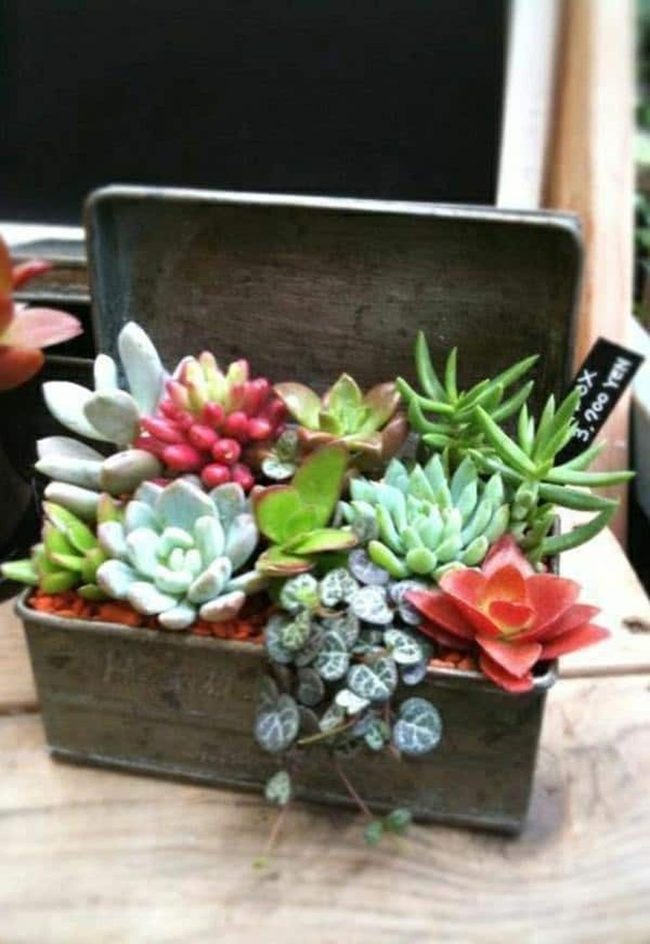
Metal planter boxes made from old industrial materials sit front and center in modern plant displays, offering a striking contrast between raw metal surfaces and green foliage.
Inside these repurposed containers, succulents and small houseplants settle in perfectly, building miniature landscapes that feel both natural and thoughtfully arranged.
The weathered patina on the metal creates an earthy, organic quality that softens the industrial edges while adding warmth to any room.
Placing these planted boxes near windows or on side tables lets you show them off while giving your plants the light they need to flourish.
The combination of upcycled metal and living plants brings together two different worlds - cool, tough materials paired with delicate botanical life - and the mix feels fresh and balanced.
This approach to plant storage works well in nearly any space because the containers are so adaptable and the plants themselves bring energy to the area.
Liam Caldwell
Lead Designer & Innovation Strategist
Expertise
User-Centered Design, Creative Problem Solving, Modern Aesthetic Integration, Technology-Driven Design Solutions, Adaptive Space Planning, Trend Analysis, Sustainable Design Solutions
Education
New York School of Interior Design
Liam Caldwell brings fresh ideas to kreativk.net by turning everyday spaces into unique, inviting areas.
Living in Philadelphia and trained at the New York School of Interior Design, he mixes basic design skills with modern technology to make rooms both stylish and useful. Liam is passionate about sustainable design and always finds creative ways to improve the spaces where we live.