
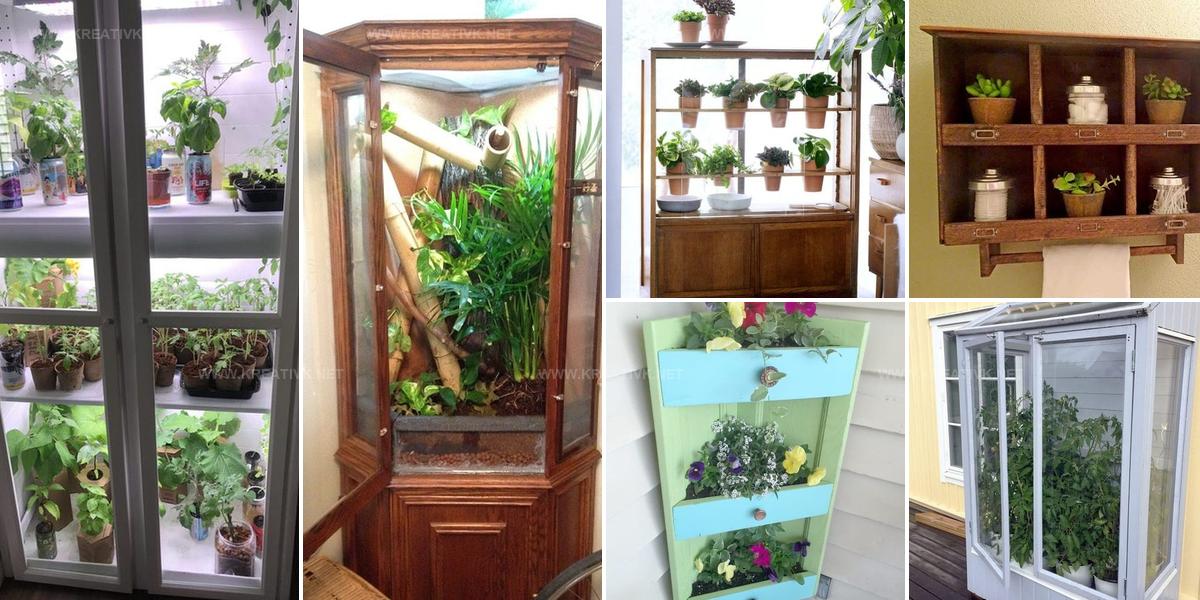
10 Creative Ways to Refresh an Old Plant Cabinet Upcycle Ideas
Old plant cabinet upcycle ideas can breathe new life into forgotten furniture while giving beloved greenery a stunning home base.
Worn cabinets often hide incredible potential beneath chipped paint and dusty shelves.
Simple modifications convert these pieces into functional gardens that display succulents, herbs, or trailing vines with personality.
Budget-friendly materials make the process accessible, whether working with thrift store finds or family heirlooms.
Creative approaches range from rustic farmhouse styles to modern minimalist designs that complement any space.
The right techniques preserve character while adding drainage, lighting, or shelving that plants truly need.
Begin small, experiment boldly, and watch as rescued furniture becomes something genuinely special for both you and the plants thriving within it.
Sunlit Glass Plant Cabinet
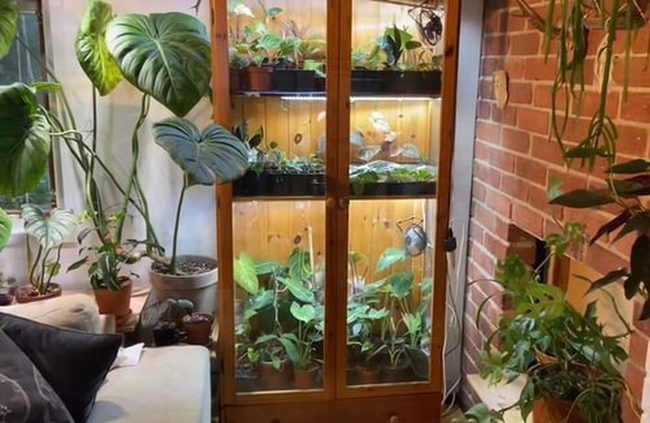
Glass-door wooden cabinets flood with sunlight streaming through transparent panels and bathing delicate leaves in warm illumination, creating elegant display spaces that protect your plants while putting them on show.
You can repurpose forgotten furniture gathering dust in your home and transform it into a botanical haven for your collection.
Shelves inside these cabinets become ideal platforms where you arrange various plant sizes and types to showcase different textures and green tones.
Positioning your cabinet near a window maximizes natural light exposure and helps your plants thrive indoors.
Monitoring growth and health becomes simple when you can see everything through the clear glass doors.
Simple cleaning keeps the whole setup looking beautiful and organized.
This approach turns any room into a space where you can enjoy your love of plants without taking up too much floor space or effort.
Drawer Planter Garden
Repurposed dresser drawers filled with cascading greenery and blooming flowers bring unexpected life to forgotten furniture sitting in your home, and the wooden compartments naturally divide space for different plant varieties and sizes.
Wooden drawers work perfectly as mini gardens once you drill drainage holes to prevent water from pooling and damaging the structure beneath.
You'll want to seal or paint the interior wood to shield it from constant moisture and keep your planter lasting through seasons of watering.
Good soil mixed with compost gives your plants the nutrients they need to thrive in their compact growing space.
This approach takes an old piece of furniture and turns it into a living display that sits right in your bedroom or living room.
Wooden Glass Plant Cabinets
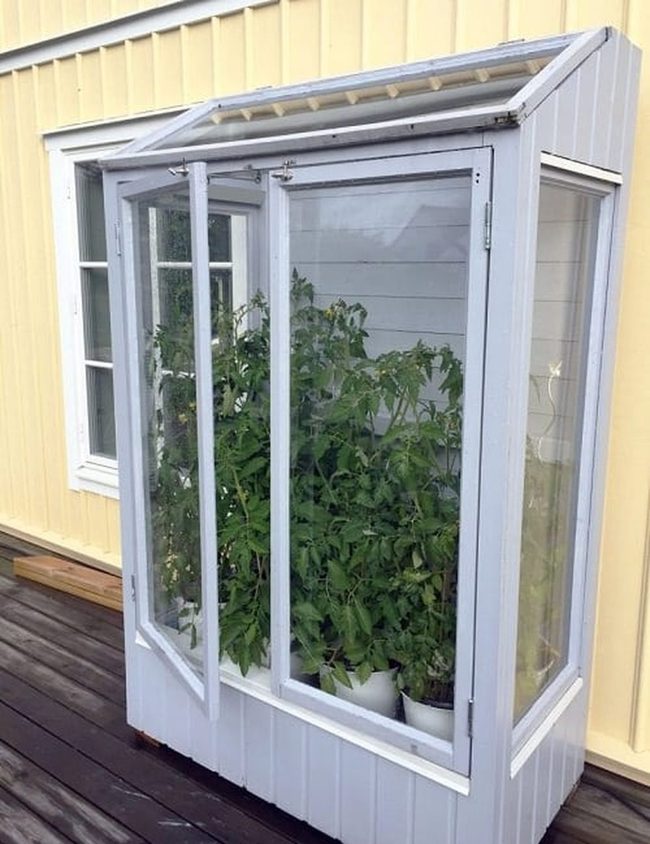
Greenhouse plant cabinets transform old wooden storage into stunning mini plant displays that sit right in your home and hold dozens of thriving plants behind glass doors.
Wood structures work beautifully for this purpose, and you can add shelving and glass panels to turn them into compact botanical spaces that need almost no floor area.
What makes these cabinets so effective is their ability to maintain stable temperatures and humidity levels that tropical and rare plants crave, shielding delicate seedlings from the temperature swings that happen throughout your house.
Inside, you can set up grow lights, humidity trays, and monitoring tools to keep conditions just right for your plants to flourish without you having to fuss with them constantly.
Ventilation holes and smart placement of lights let air flow and keep everything balanced, so your sensitive plants stay happy and healthy.
Wooden Drawer Plant Displays
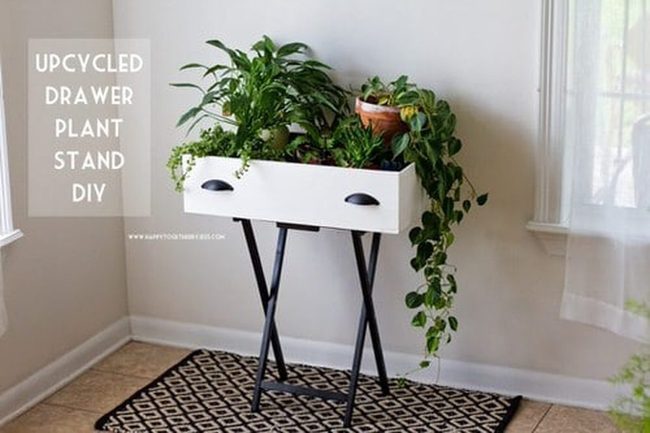
Repurposing old drawers into plant stands gives you a striking way to display greenery while saving furniture from the landfill, and those wooden compartments naturally suit small succulents, herbs, and compact plants that need their own space to flourish.
Wood pieces pulled from storage corners or closets become charming bases for botanical arrangements, and the material itself creates an ideal environment where plants grow well without much fuss.
Each small section works as an individual home for different varieties, so you can mix and match greenery to match your style and space.
The transformation is straightforward - no fancy carpentry skills needed - and you end up with something useful and pleasant to look at instead of discarded furniture taking up room.
This approach taps into eco-conscious design by giving forgotten pieces a second life, and the result feels both practical and thoughtful.
Wooden Fold-Down Plant Cabinet
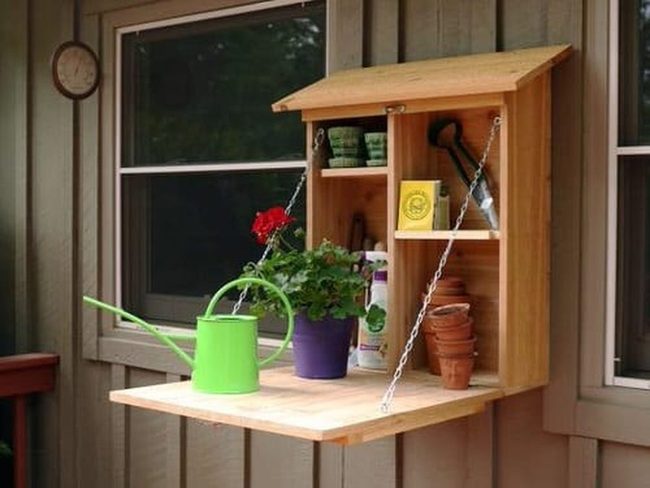
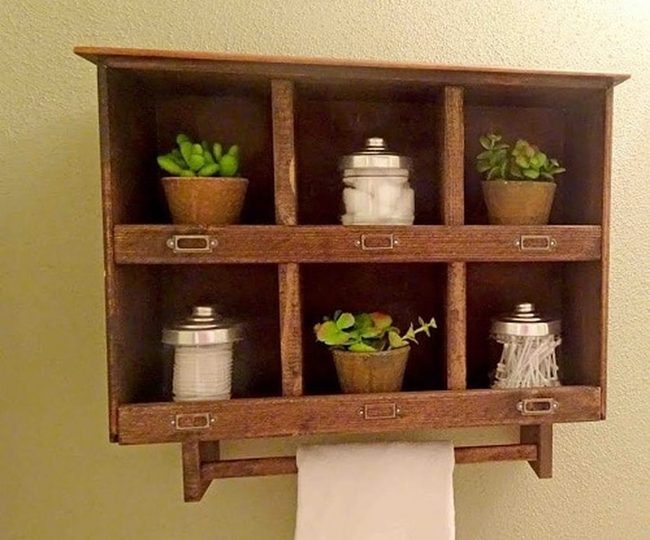
Fold-down outdoor cabinet solves the challenge of limited garden space while giving your plants exactly what they need to thrive, and metal hinges allow the structure to unfold smoothly so delicate herbs and compact vegetable seedlings have their own sheltered home.
Wooden surfaces do double duty by shielding tender plants from harsh winds and letting gentle sunlight filter through to support growth.
Positioning the cabinet near exterior walls means your plants get optimal light and wind protection as seasons change.
You can extend the cabinet's lifespan by sanding the wood thoroughly and applying weatherproof paint that stands up to rain and sun exposure.
Small tweaks such as drainage holes and adjustable shelving make this DIY project work for whatever plants you want to grow, whether you're raising delicate seedlings or storing gardening supplies between seasons.
Stacked Metal Drawers, Cascading Greens
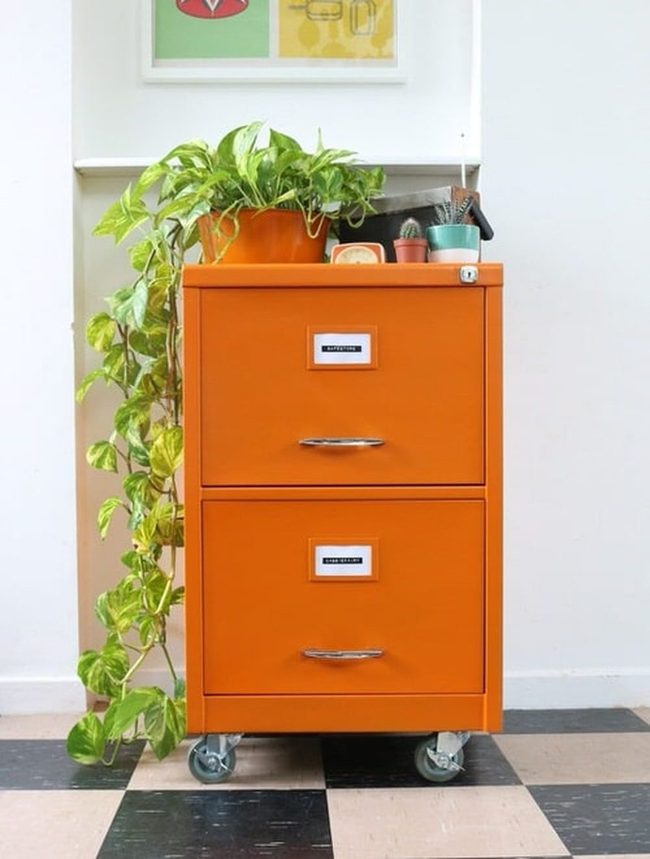
Metal filing cabinets stacked with layers of different plants across multiple drawer levels create striking visual interest in any outdoor or indoor space, and you can easily transform rusty drawers into perfect homes for succulents and trailing plants like pothos with minimal effort.
Old filing cabinets bring industrial charm to patios, balconies, and indoor corners where you might otherwise leave them forgotten.
The metal surfaces actually provide excellent heat retention for plant roots during cooler seasons, which helps your green companions stay healthy.Positioning them near sunny windows ensures they thrive without demanding much attention from you.
This approach turns ordinary office furniture into something unexpected and useful for your garden or home space.
Glass Tropical Miniatures
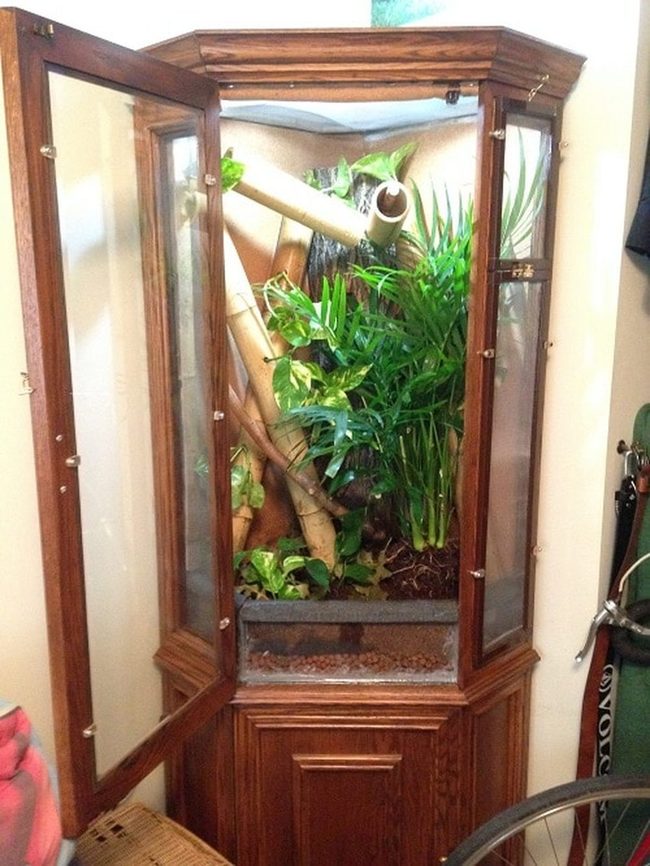
Repurposed terrariums with their transparent glass walls showcase miniature tropical landscapes that draw the eye with lush greenery and cascading plants inside enclosed spaces.
Orchids, ferns, and mosses flourish in these protected environments where moisture stays constant and conditions remain stable.
You can position your terrarium near indirect sunlight to keep plants healthy without exposing them to harsh rays.
Selecting plants that love moisture matters because it keeps everything growing strong inside the sealed ecosystem.
We know that proper drainage layers and specialized soil mixes prevent root rot and support long-term plant health.
Old enclosures become vibrant botanical displays through thoughtful plant selection, and they naturally spark interest among anyone who sees them.
This approach lets you transform forgotten glass containers into living gardens that showcase your gardening creativity.
Wooden Corner Plant Cabinet
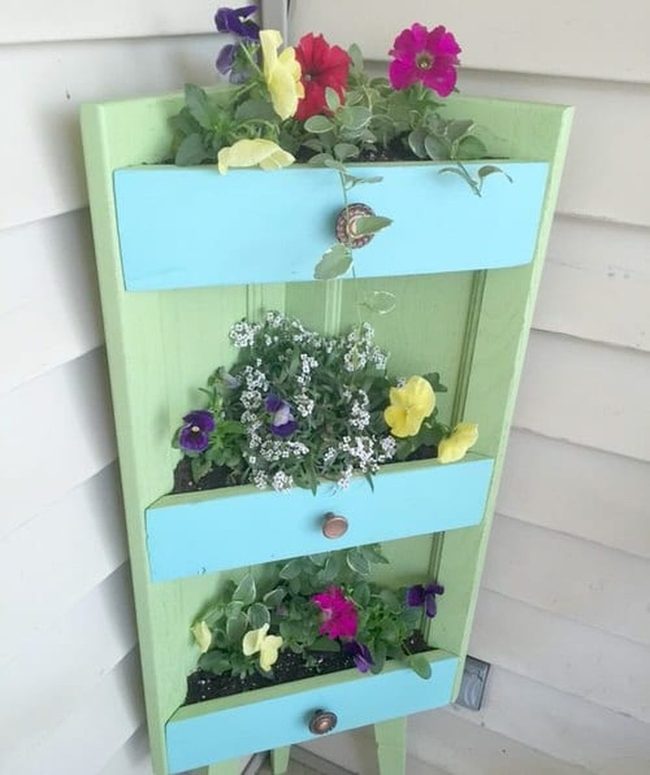
Corner cabinet planters transform forgotten kitchen furniture into lush green displays that bring life to overlooked spaces with just a few simple modifications.
Those wooden cabinet doors become sheltered homes for houseplants that need protection from harsh light and temperature swings, and you can easily drill drainage holes and line the interior with waterproof materials to keep your plants healthy and happy.
Paint or stain the cabinet to match your existing decor, and it blends seamlessly into your kitchen without looking out of place.
Tropical plants like pothos and snake plants thrive in these repurposed spaces, as do low-maintenance succulents that ask very little from you.
Basic tools like a drill, sandpaper, and a waterproof liner make this project doable for anyone, whether you're experienced with DIY or just starting out.
Strategic placement in an empty corner turns that dead space into a botanical display that adds personality and greenery to your home.
Wood Cabinet Herb Garden
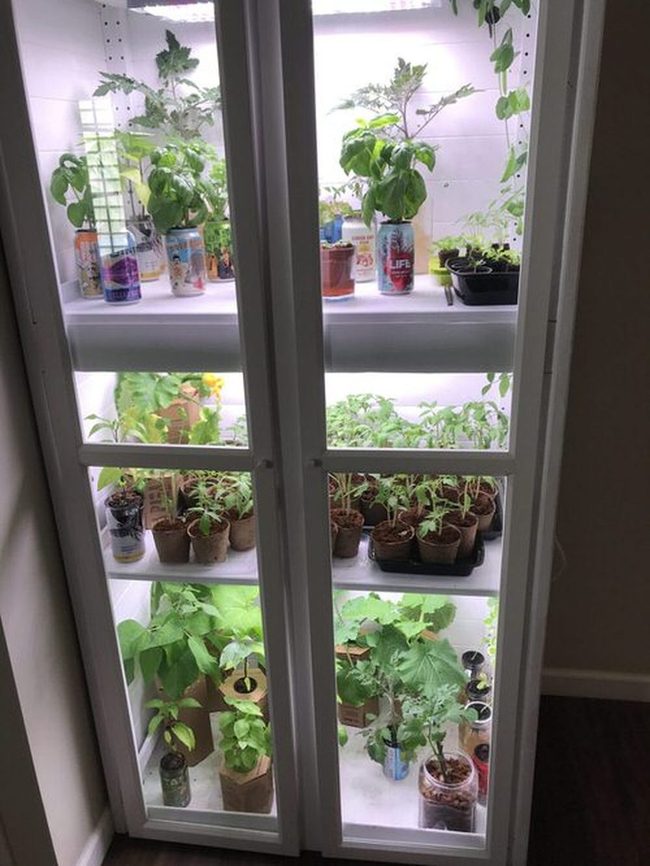
Wood cabinets offer surprising potential as indoor garden spaces when you add some basic lighting and make a few smart changes to the structure.
Hydroponic plant lights keep your seedlings and herbs healthy and strong in these small enclosed areas, while glass panes work as a protective barrier that maintains steady temperatures and lets you control the environment inside.
You can fit multiple plants on shelves, whether you prefer succulents, herbs, or other varieties, and they need very little upkeep once they're established.
Positioning your cabinet near a window means natural sunlight can mix with your grow lights for better results.
This type of project doesn't require spending much money, and it gives old furniture a fresh purpose while also letting you build your own collection of plants.
The combination of materials and planning turns an overlooked piece of wood furniture into a functioning growing space that works well in any home.
Glass-Fronted Plant Cabinet Display
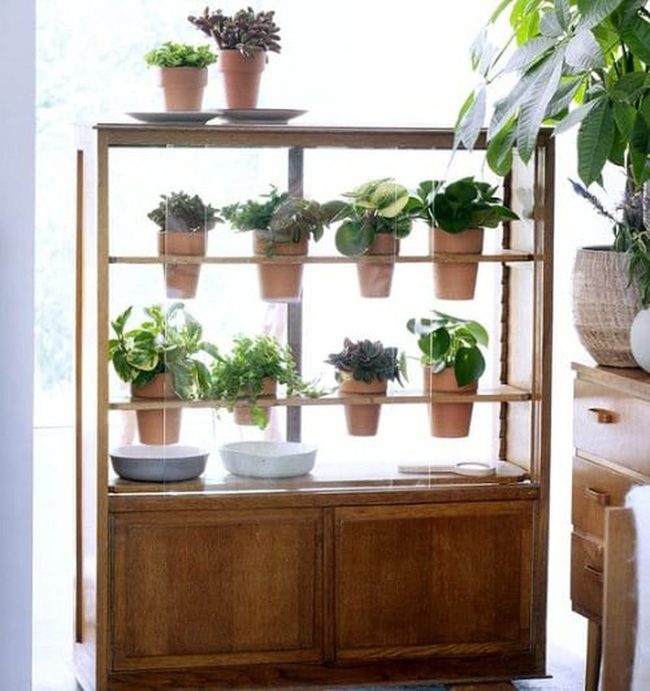
Old wooden cabinets become stunning indoor gardens when you add glass panels and strategic shelving to display your green collections beautifully.
Glass doors protect delicate plants while keeping them on full view inside these refurbished spaces, and drainage holes plus proper ventilation ensure your herbs, succulents, and tropical specimens stay healthy in their compact environment.
You'll find that repurposed cabinets work well as microclimates for sensitive plants that need controlled conditions to thrive.
With simple tools like glass cutters, waterproof sealants, and mounting hardware, an ordinary piece of furniture transforms into an extraordinary plant home.
Weekend DIY projects give abandoned cabinets new purpose and provide your plants with protective, charming living spaces all at once.
This approach takes very little time yet produces results that look polished and thoughtfully done.
Liam Caldwell
Lead Designer & Innovation Strategist
Expertise
User-Centered Design, Creative Problem Solving, Modern Aesthetic Integration, Technology-Driven Design Solutions, Adaptive Space Planning, Trend Analysis, Sustainable Design Solutions
Education
New York School of Interior Design
Liam Caldwell brings fresh ideas to kreativk.net by turning everyday spaces into unique, inviting areas.
Living in Philadelphia and trained at the New York School of Interior Design, he mixes basic design skills with modern technology to make rooms both stylish and useful. Liam is passionate about sustainable design and always finds creative ways to improve the spaces where we live.