
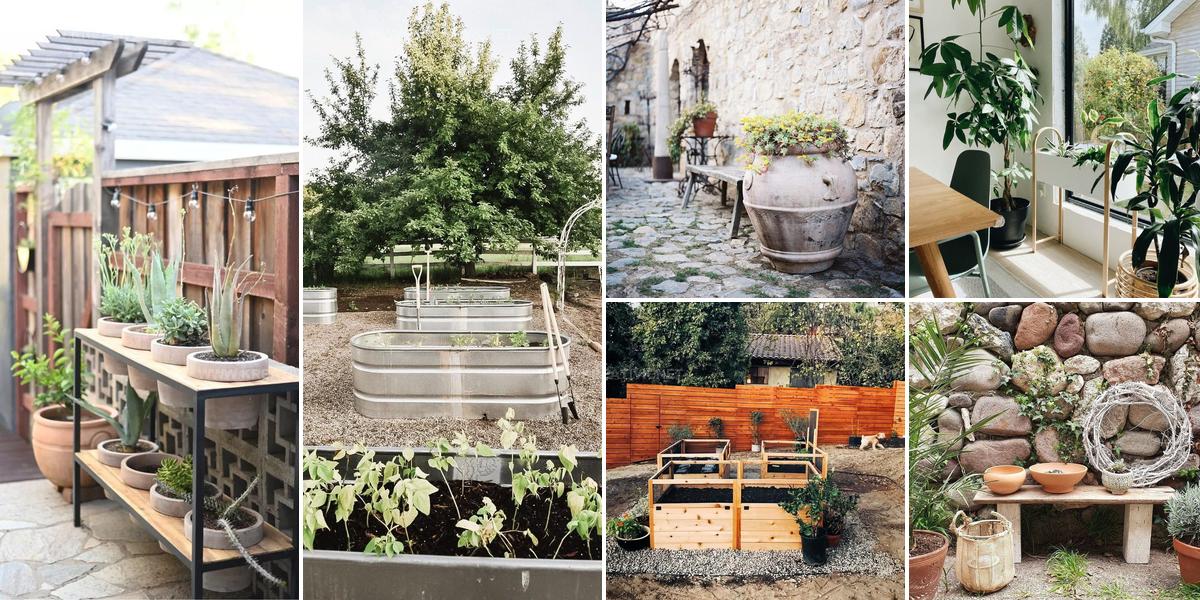
14 Raised Garden Bed Ideas That Won’t Break the Bank
Inexpensive raised garden bed ideas can help you grow beautiful vegetables and flowers without spending a fortune on materials or complicated construction.
Budget-friendly options exist that work just as well as costly alternatives, proving that a thriving garden doesn't require deep pockets.
Whether you have a spacious backyard or a compact patio, affordable solutions adapt to different spaces and skill levels.
The key lies in choosing materials wisely and thinking creatively about what resources you already have or can source locally.
Many gardeners find that simple designs often outperform elaborate setups while costing far less.
Smart planning lets you build functional beds that last for years and support healthy plant growth season after season.
What matters most is getting plants into the ground in a way that makes sense for both the space you have and the budget you can work with.
Stacked Wood Disk Borders
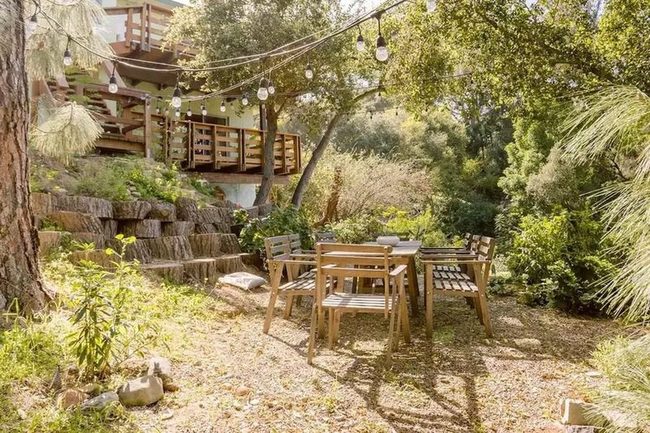
If someone in your neighborhood recently had a tree removed, reach out and ask whether you can take pieces of the trunk off their hands.
Once you get the wood, have it sliced into thick disks that stack nicely to form a garden border that looks rustic and natural.
You might even consider using full-length logs laid flat as your barrier if you have people willing to help move the heavier pieces around.
This approach gives you a sturdy edging that feels connected to the land and costs almost nothing.
Tree trunk materials bring an earthy quality that fits well with outdoor spaces.
Stacked disks create interesting height variations along your garden's edge.
You get both function and character without buying expensive materials.
It's one of those solutions where asking neighbors pays off and turns their tree removal into your landscaping advantage.
Geometric Wood Garden Beds
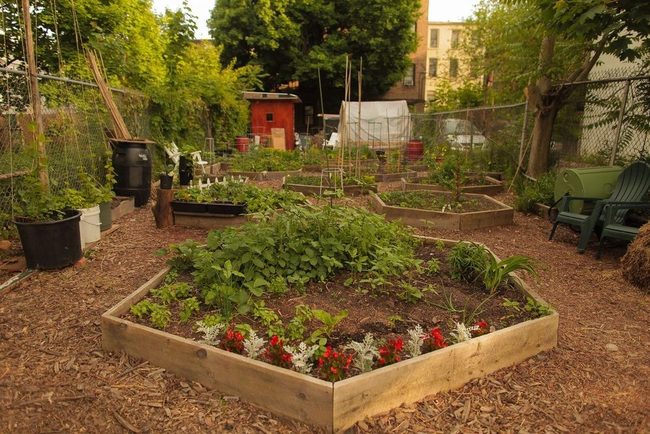
You can build raised garden beds in whatever shape suits your vision, and wide wood boards give you tons of freedom to experiment with designs that match your style.
Getting the angles right matters most, so take time to measure carefully before you make cuts.
If you don't have a pocket hole jig on hand, old door hinges work perfectly well for connecting the joints where boards meet.
Safety brackets are another smart option to prevent the wood from shifting apart over time.
This approach means you're not stuck with boring rectangles, and you can go with geometric patterns, curved edges, or whatever design speaks to you.
The key is spending a bit of time on alignment so everything stays stable as your garden grows.
Tall Planters Growing Fresh Tomatoes
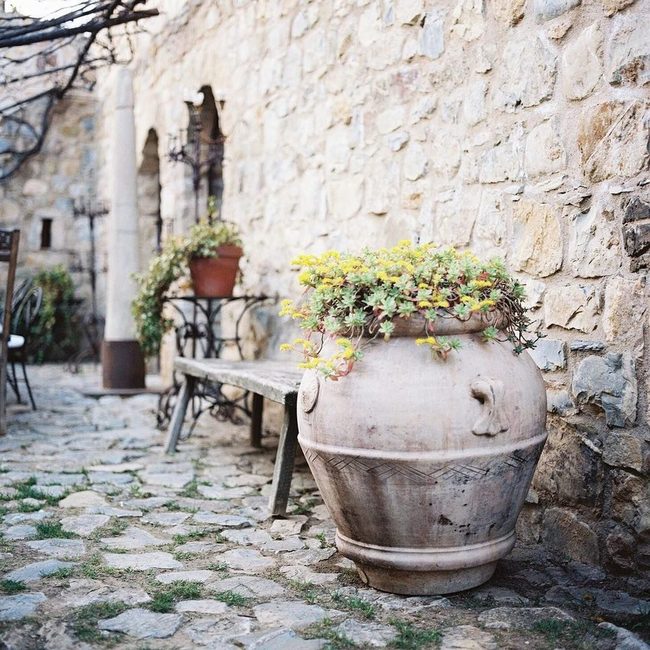
Large planters can serve purposes beyond just holding ornamental plants, and growing vegetables like tomatoes in them makes real sense for your garden setup.
Tomatoes need deep soil to let their roots spread out and develop strong plants that produce well, which you get naturally when you use a spacious container instead of cramped ground space.
When your tomato plants grow tall in big planters, harvesting becomes so much simpler since you're standing at a comfortable height rather than bending down to ground level.
You save your back and knees while picking ripe fruit, and the elevated position also makes it easier to spot which tomatoes are ready to pick.
Big planters work wonderfully on patios, decks, or garden corners where you want to grow food without digging up lawn or soil beds.
I like this approach because it gives you flexibility in where you place your vegetables and lets you move them around if needed.
Growing tomatoes this way means you get the same delicious homegrown taste but with much less strain on your body.
Industrial Metal Garden Beds
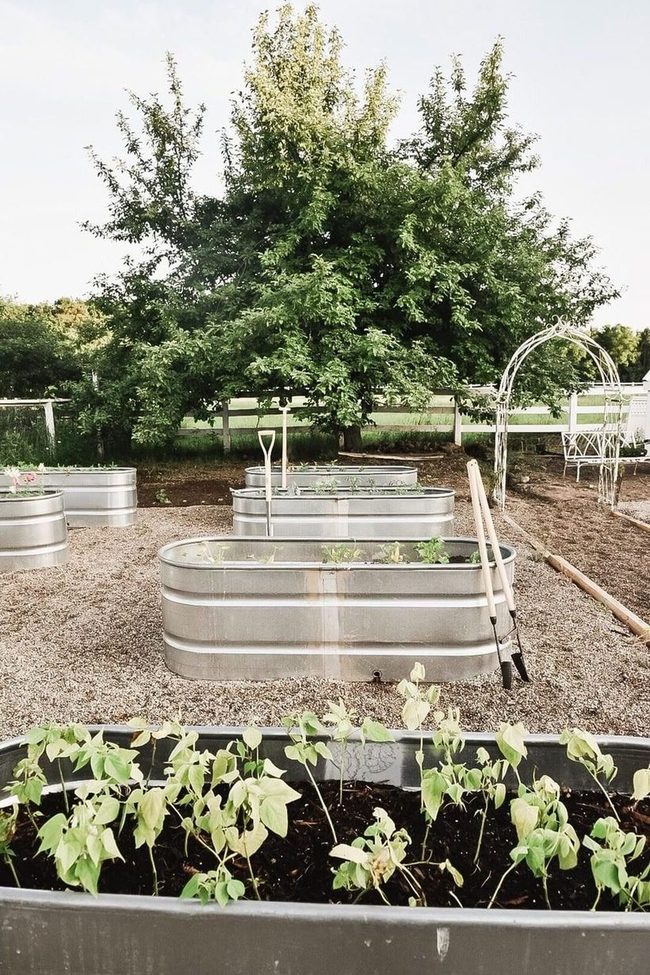
Metal stock tanks make an excellent choice for building a raised garden bed, and they're one of the simplest options available.
Blogger Liz Marie Galvan took this practical approach and transformed her backyard by arranging these industrial containers to achieve a polished yet rustic appearance Steel bins come with built-in walls that keep everything organized and contained.
Because nothing spreads beyond the edges, you spend less time managing overgrowth.
Setting up your garden this way means you don't need advanced skills or special tools.
Even beginners can assemble these beds without much fuss.
Your plants stay accessible and healthy thanks to the excellent drainage and air circulation these metal containers naturally provide.
Salvaged Bathtub Garden Beds
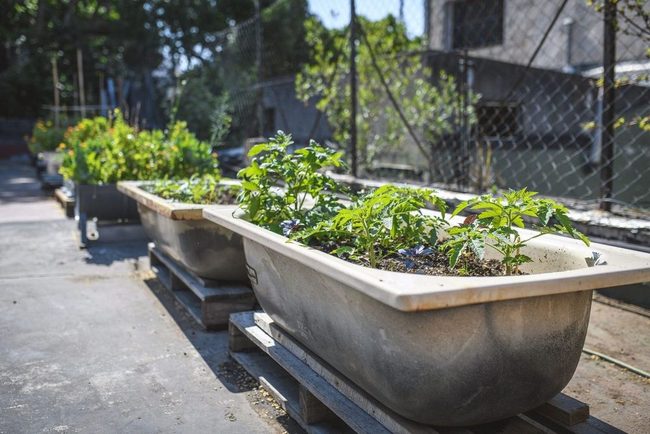
Old bathtubs from restore shops or junkyards work wonderfully as raised garden beds since they're built to last and handle just about anything you throw at them.
You'll want to start by layering gravel on the bottom to help water drain properly, then add sticks and cardboard in the middle sections to break down over time.
Fill the top portion with quality soil where your plants can really thrive and spread their roots.
If you hunt around local salvage yards or secondhand stores, you can usually find these cast iron or porcelain tubs sitting unused and waiting for a second life in your garden Once you've got everything layered in, you're ready to plant vegetables, flowers, or herbs right away Your neighbors will definitely ask about the quirky gardening setup when they see it.
Wooden Raised Boxes Fresh Herbs
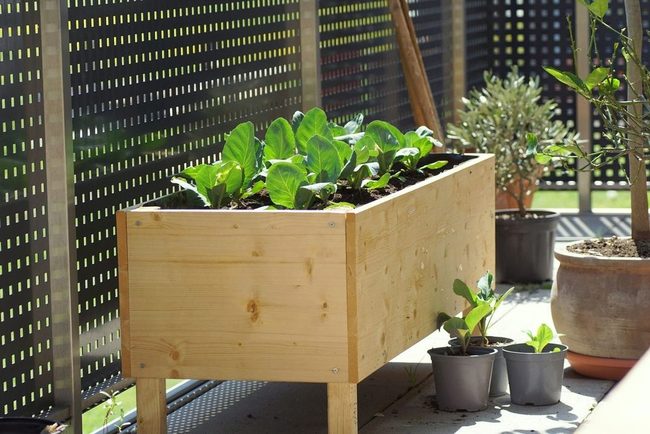
If you're working with just a patio or balcony, don't worry because those small spaces are ideal for growing plants in raised garden boxes.
You can build one using wood scraps, and it's simple to add either DIY legs from leftover wood pieces or store-bought furniture legs for a more polished look.
Protecting your wooden box matters, so line the bottom with a trash bag or waterproof material to stop the wood from breaking down over time.
This setup takes minimal room and gives you a functional garden area even when square footage is limited.
Plants thrive in containers like these, and you get fresh herbs or vegetables right at your doorstep.
Plus, building your own box means you can customize the size and style to match your space perfectly.
Container Garden Year-Round Harvests
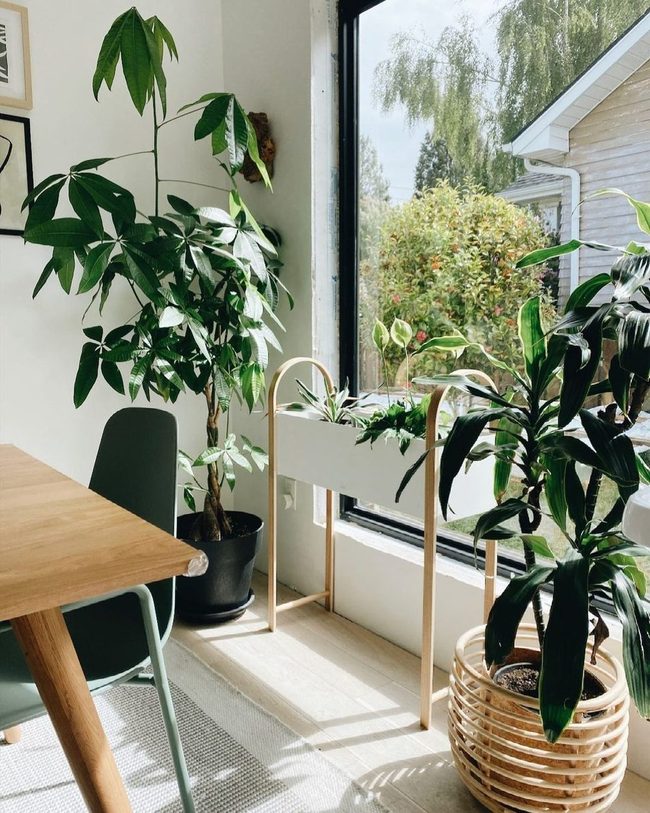
If you don't have room for a full garden, planters offer a simple solution for growing small vegetables and herbs right where you are.
You can pick up containers designed specifically for this purpose, and they work surprisingly well for fresh produce.
One great benefit is that you can shift them inside when colder months arrive, which means you'll keep harvesting well into the winter instead of watching everything stop growing.
This flexibility lets you stretch your growing season by several weeks and enjoy fresh herbs and vegetables year-round.
Potted Plants On Elevated Bench
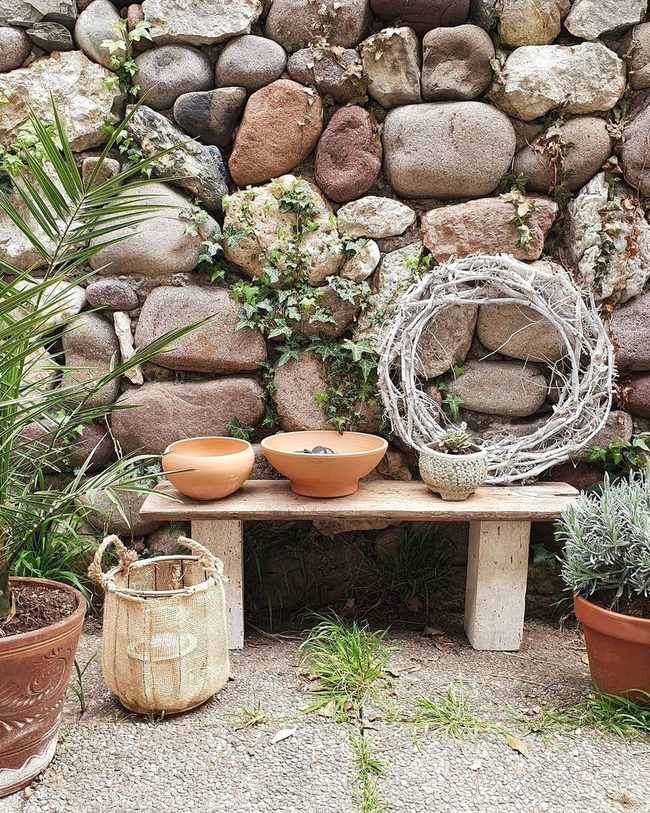
If you lack the space for traditional in-ground planting, positioning pots on a sturdy bench works wonderfully and keeps your plants elevated off hard surfaces while bringing them within arm's reach as you water and care for them.
This setup looks great too, since the raised arrangement adds dimension to your garden space and draws the eye upward.
A bench solution proves budget-friendly compared to building raised beds or installing permanent structures.
You can move the bench around whenever you want to rearrange your layout, giving you flexibility that ground planting simply doesn't offer.
Most benches are easy to find secondhand or at reasonable prices new.
Plants on a bench sit at a comfortable height for tending, which means less bending and strain on your back during gardening sessions.
Whether you have just a small patio or a sprawling yard, this simple approach helps you grow what you want without breaking the bank.
Hinged Garden Fence Access
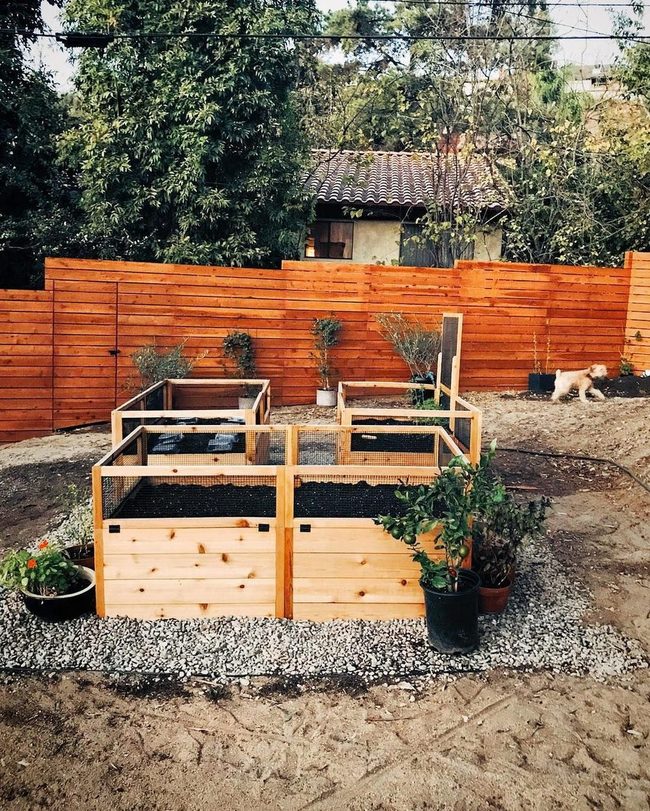
Swinging down a hinged barrier to access your garden becomes far easier than climbing over a fixed fence each time you need to tend to your vegetables.
Installing hinges on garden barriers meant to protect your crops from hungry critters saves you physical strain and makes working with the soil much simpler.
You get the protection you need for your plants without the constant frustration of having to reach across tall structures.
Access to the garden bed improves dramatically once you can move these barriers out of your way with just a push.
It's a practical solution that keeps your vegetables safe from animals while making your gardening routine less awkward and more efficient.
Recycled Wood Pallet Gardens
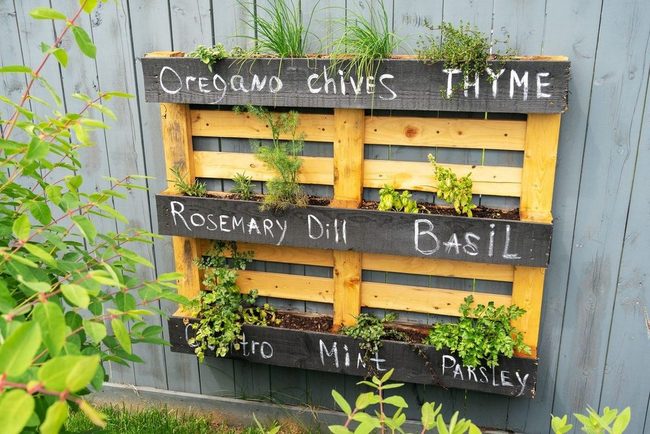
Wood pallets show up everywhere-you can often spot them sitting by the roadside or ask local businesses for ones they're discarding-and they transform into surprisingly useful garden features.
Mount a pallet flat against your fence or wall and you've got a vertical planter perfect for growing herbs in a slim footprint.
Set one down on the ground instead and the spaces between the slats naturally divide your plants into neat rows.
You can fill these gaps with soil and tuck seedlings into the openings, or line the back with landscape fabric to hold everything in place.
Pallets work well for raised beds too, and stacking a few creates decent depth for root vegetables.
Since pallets are cheap or free, experimenting with different arrangements costs almost nothing.
You might use one as a tiered display for potted plants or lean several together to build a rustic trellis for climbing vines.
The flexibility of pallet gardening means you can adjust your setup whenever you want something new.
Shelves Stacked With Living Plants
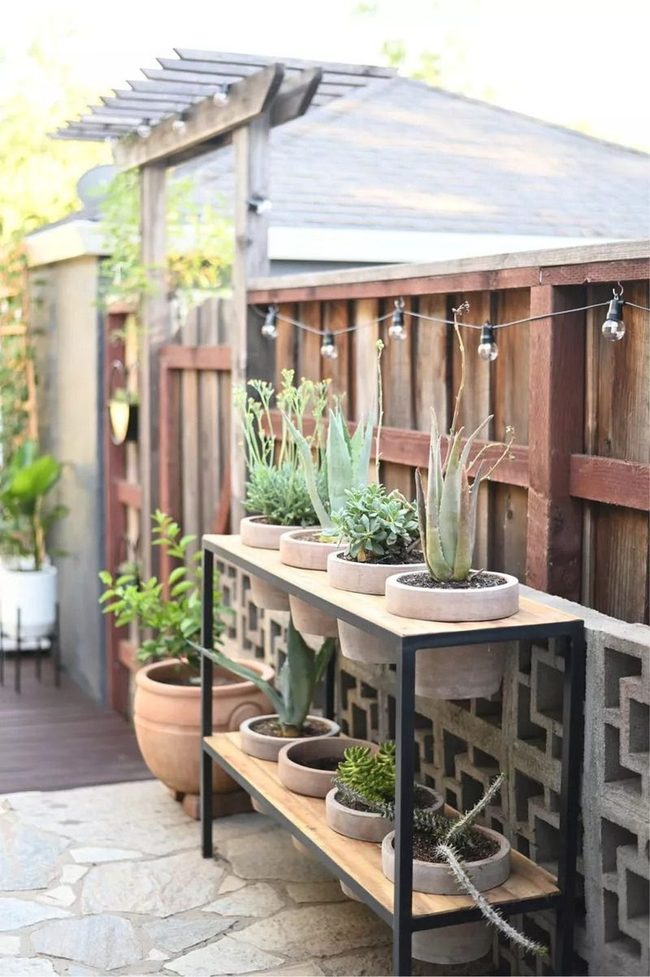
Old shelves can become stunning multi-tier raised gardens that bring greenery right into your space, and we think this is one of the easiest upcycling projects you can tackle at home.
Start by using a jigsaw or a large cutting bit on your drill to make holes sized to match your pots, then slide each pot into its hole until it sits flush with the shelf surface You'll save time on maintenance since the lower tiers get hydrated without extra effort from you.
If your pots already have drainage holes, this cascading water system works even better and keeps your plants consistently moist.
This approach works well indoors near a window or outside on a patio, giving you flexible options for displaying herbs, succulents, or small flowering plants.
The vertical arrangement maximizes your growing space and looks far more interesting than keeping pots scattered on the ground.
Wooden Box Garden Beds
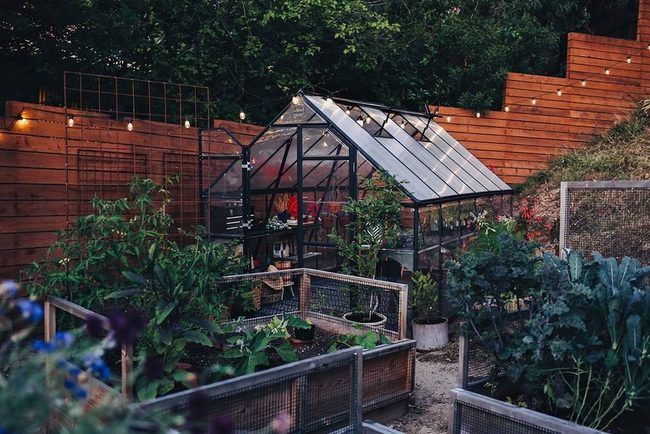
Building a raised garden bed starts with a basic wooden frame, and a simple rectangular or square box works perfectly for most gardeners.
You just set the frame on the ground and fill it with soil to get growing right away.
If you want to add extra protection, consider installing a mesh barrier around the perimeter to stop animals from burrowing in and damaging your plants.
To stretch your soil supply further, we recommend filling the bottom portion with compostable materials like twigs, leaves, and cardboard before adding your good soil on top.
This layering method saves money and keeps your beds productive without requiring you to purchase extra soil.
Most people find that a straightforward wood construction handles the job well, and there's no need to overcomplicate things when simple works best.
Your raised bed will be ready for planting once you've assembled the frame and added your growing medium.
Reclaimed Railroad Ties Garden Frame
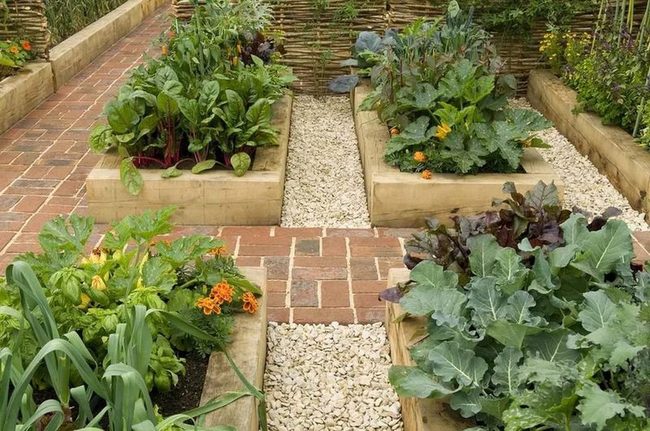
Old railroad ties scattered around former rail yards make excellent building materials if you happen to live near one of these abandoned sites.
Since these ties are incredibly sturdy and substantial, they resist movement and decay far better than most wood options, so your raised bed will last for years without falling apart.
You can ask someone with access to a heavy-duty saw to help you cut the ties down to whatever size suits your garden space.
Once you have the pieces trimmed to your preferred dimensions, you essentially have a ready-made frame that needs nothing more than assembly.
This approach saves you money since you're repurposing materials that would otherwise sit unused.
Stacked Lumber Garden Bed Budget
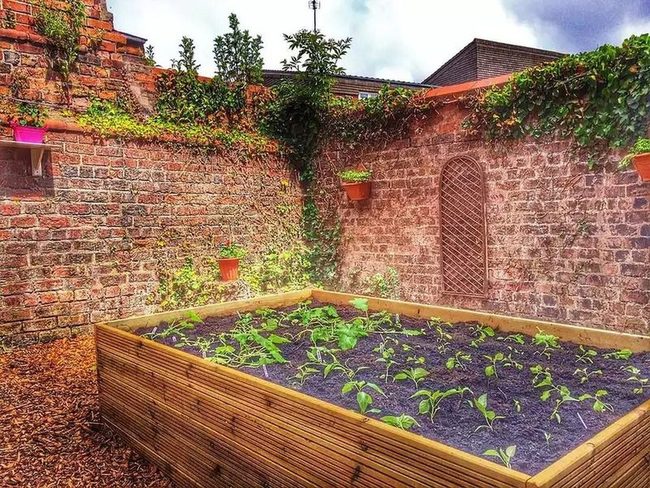
Building a raised garden bed doesn't require expensive materials or special skills to pull off.
Local lumber like 2x4s stacked four layers high and fastened at the corners works beautifully and costs far less than fancy alternatives.
You can pick up these boards at any hardware store nearby, and here's a helpful tip-most places will cut the wood to your exact measurements for free or a small fee if you ask.
Since we're working with basic materials that are easy to source, you won't need specialized tools either.
Even without a saw at home, the store staff can handle the cutting while you wait.
This approach keeps your budget reasonable while still giving you a solid structure for growing vegetables and flowers.
The simple stacked design is sturdy enough to last several seasons and holds soil beautifully.
You end up with a functional garden bed that serves its purpose without unnecessary spending.
Liam Caldwell
Lead Designer & Innovation Strategist
Expertise
User-Centered Design, Creative Problem Solving, Modern Aesthetic Integration, Technology-Driven Design Solutions, Adaptive Space Planning, Trend Analysis, Sustainable Design Solutions
Education
New York School of Interior Design
Liam Caldwell brings fresh ideas to kreativk.net by turning everyday spaces into unique, inviting areas.
Living in Philadelphia and trained at the New York School of Interior Design, he mixes basic design skills with modern technology to make rooms both stylish and useful. Liam is passionate about sustainable design and always finds creative ways to improve the spaces where we live.