
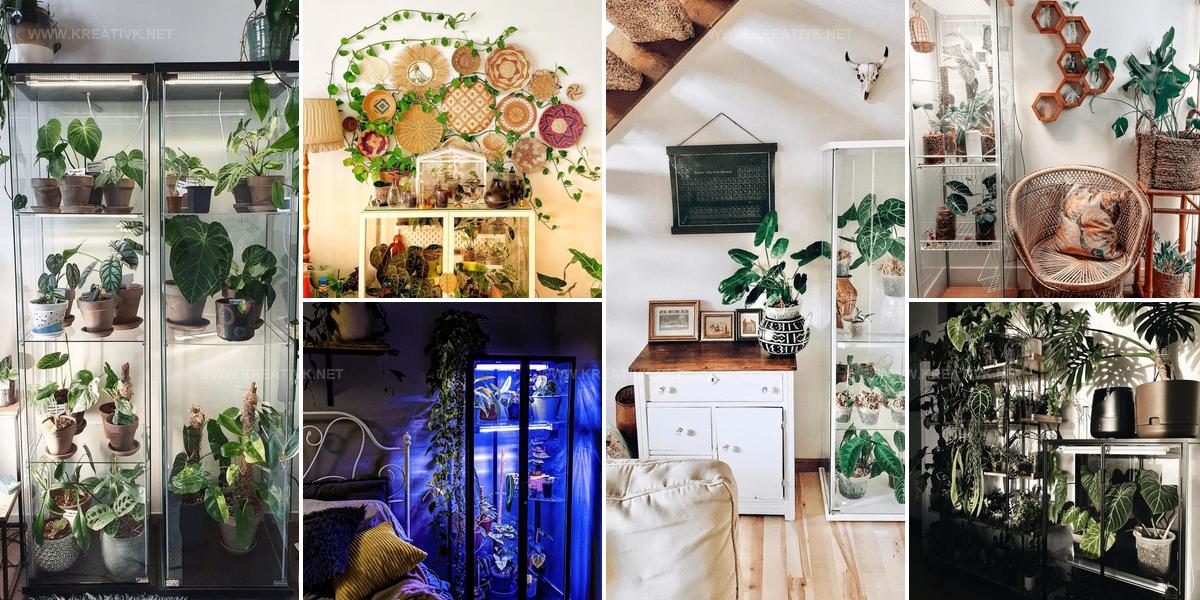
21 Clever Ways to Upgrade Your Ikea Greenhouse Cabinet
Converting an ikea greenhouse cabinet into something uniquely functional has become one of the most rewarding DIY projects for anyone who loves creative home solutions.
These glass-paneled beauties offer so much potential beyond their original purpose, and the best part is that you don't need advanced carpentry skills to make them shine.
Whether you have a green thumb, a passion for display collections, or simply want to maximize storage in a compact space, these versatile cabinets adapt beautifully to countless needs.
The transparent structure makes them perfect for showcasing items while keeping everything protected from dust and damage.
Many households already own one of these cabinets without realizing how much more it could offer with just a few thoughtful modifications.
Simple changes to shelving, lighting, or interior organization can completely reimagine what's possible within that elegant glass framework.
Finding inspiration that matches what you actually need in a home can make all the difference in how satisfied you feel with the final result.
Pegboard Display For Tiny Planters
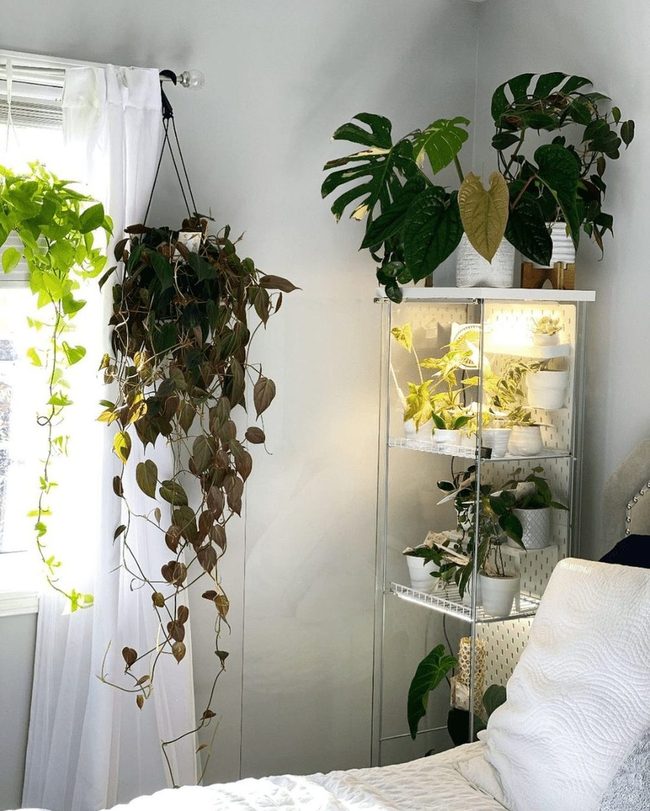
Pegboard hung along the back wall of your greenhouse cabinet opens up surprising possibilities for displaying your smallest plants and organizing supplies at once.
Hanging hooks from the pegboard lets you position little planters at different heights and angles, which makes the space look dynamic and puts everything within reach.
You'll find that this setup saves valuable shelf room while letting those tiny plants shine in a way a flat surface never could.
Wood and fiberboard pegboards do need regular checking since moisture can encourage mold growth in enclosed spaces.
If you notice dark spots or soft patches forming, wipe them down with a dry cloth and improve air circulation to keep the problem from spreading.
Metal pegboards work well if you're concerned about moisture damage and tend to last longer in humid environments.
This simple addition makes your whole setup more functional and gives your collection a chance to really stand out.
Greenhouse Cabinet Plus Open Shelves
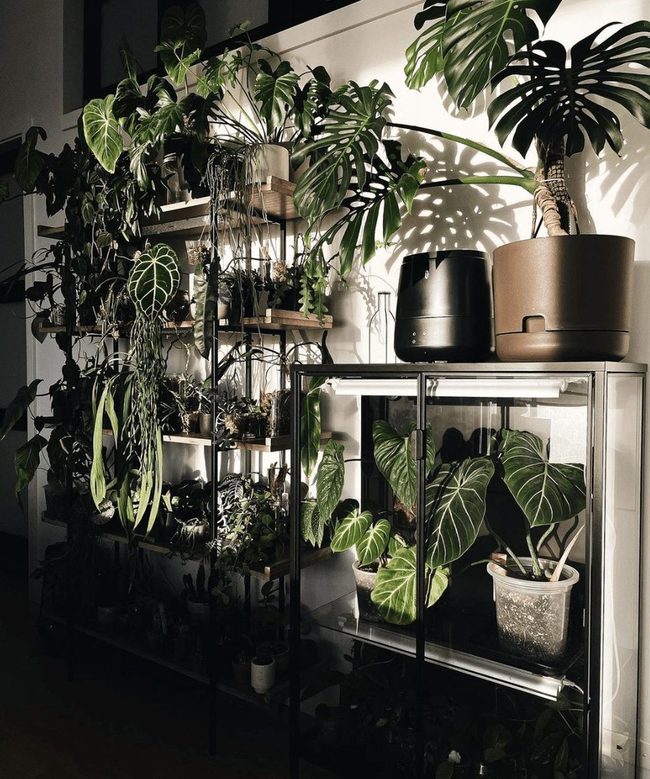
Open shelves placed next to your humid greenhouse cabinet give you a smart way to grow different kinds of plants in one space.
Greenhouses work wonderfully for plants that thrive in moisture, but many plants actually prefer drier conditions and won't do well trapped inside.
By combining both options, you can expand what you grow without overwhelming yourself with a bunch of different care schedules.
You might keep your tropical plants and ferns in the cabinet where they get the humidity they need, and then position your succulents and cacti on the nearby shelves where air flows freely.
This setup lets you explore a wider range of plant varieties and keeps your watering and maintenance routines simple.
Plants get exactly what they prefer, and you get a more interesting garden display.
Pairing these two storage styles together means you're not limited by one environment, so your collection can really grow.
Rooted Cuttings, Endless Greenery
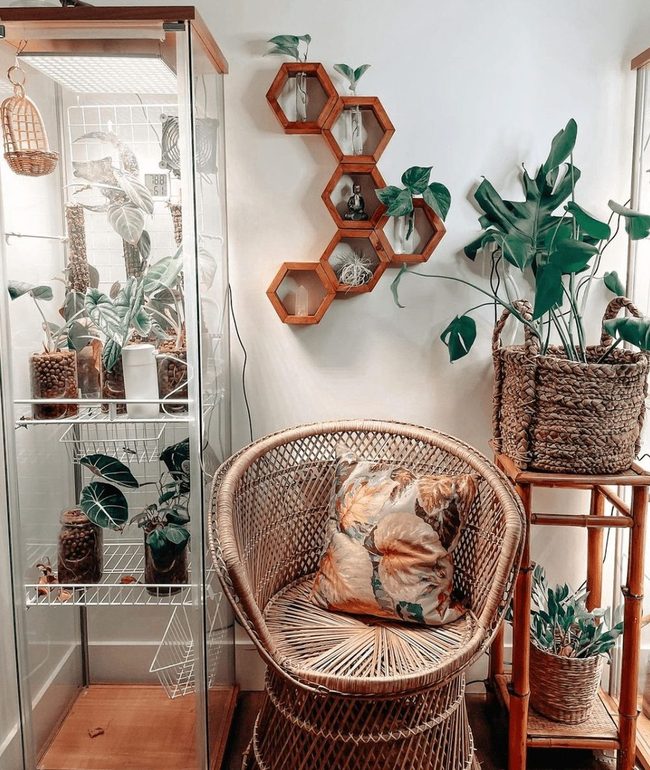
Growing your own plants from cuttings next to your greenhouse cabinet means you won't need to buy every single plant you display, and you'll always have fresh greenery ready to fill those shelves.
A propagation station doesn't take up much space and can sit right beside your cabinet where you can easily monitor progress.
You simply snip pieces from healthy plants, place them in water or soil, and watch new roots develop over a few weeks.
This approach keeps your hands busy with a rewarding hobby and saves money at the same time.
Many plants root quickly and reliably, so you'll have a steady supply without much effort.
When you're ready to display something new, you just transfer a rooted cutting into a pot and add it to your cabinet.
Setting up this station nearby also lets you check on both your growing cuttings and your displayed plants in one quick visit, making plant care feel less like a chore and more like a natural part of your routine.
Wire Grid Cabinet Organization
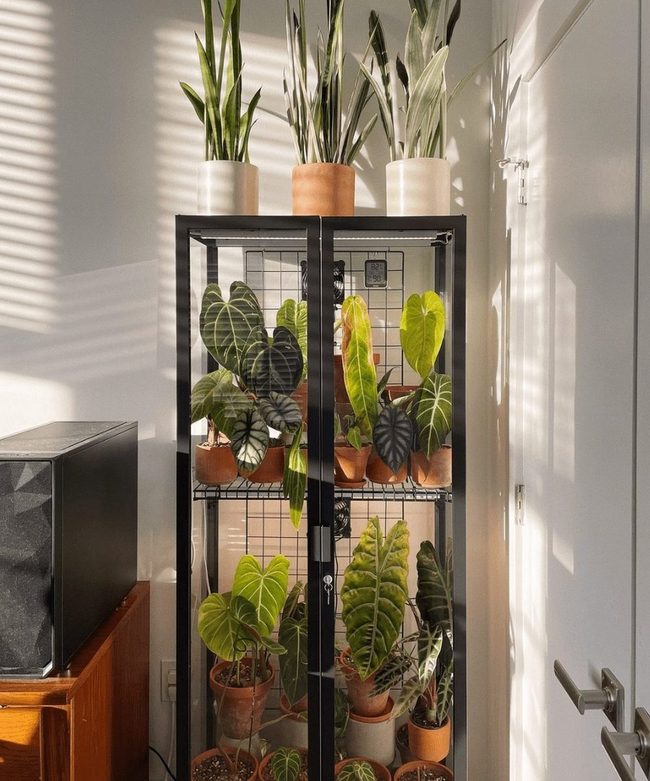
Wire grid panels offer a practical way to organize your greenhouse cabinet by giving you a designated spot for all those essential items like grow lights, fans, and humidity sensors.
Line the back wall of your cabinet with these panels and secure your equipment using clips or hooks, which makes everything accessible and keeps your space neat.
Beyond just handling the basics, you can have some fun with the setup and hang small planters directly from the panels to squeeze in extra plants.
This approach lets you maximize every inch of your cabinet without making it feel cramped or disorganized.
Since wire grids come in different sizes, you can adjust the layout to fit what you need right now and change it later as your collection grows.
I like how simple this solution is because it doesn't require any special skills or tools to install.
Your equipment stays visible so you can monitor everything at a glance, and watering or adjusting sensors becomes much easier when nothing is buried or hidden away.
Grow Lights Beyond Cabinet Walls
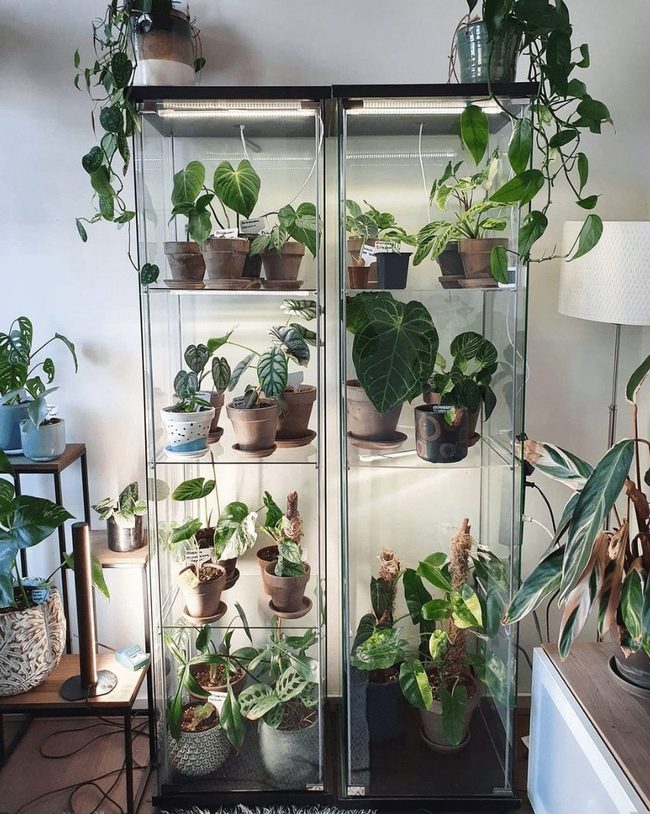
Your plants will quickly outgrow your greenhouse cabinet if you're doing things right, so it's smart to plan ahead and expand your growing area beyond those walls.
Look around your space and find room on shelves, tables, or even the floor next to your cabinet where you can position extra plants.
You don't need to stick strictly to one spot, and spreading things out actually gives your collection more room to flourish.
A few additional lights placed strategically around your growing area will keep your plants thriving just as well as they would inside the cabinet.
This approach keeps your plants happy and gives you the flexibility to arrange them however works best for your space.
Window-Powered Plant Growth
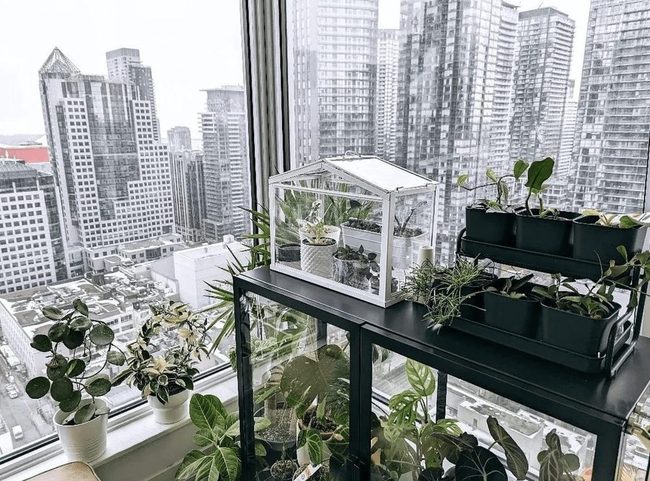
If your greenhouse cabinet has clear glass or plastic sides and your windows bring in plenty of sunlight, you might skip the grow lights altogether since natural light does the job just fine for helping plants flourish.
Positioning your cabinet near a bright window means your plants get what they need without extra equipment taking up space.
You can save money and reduce energy use by relying on what nature provides through your windows.
Plants tend to grow well with real sunlight, and you won't have to deal with heat from artificial lights or complicated installation work.
It's worth checking how much light actually reaches your cabinet before buying anything new.
Sometimes the simplest solution is the best one, and in this case, moving your setup closer to a window could be all you need.
Cascading Green Lattice Wall
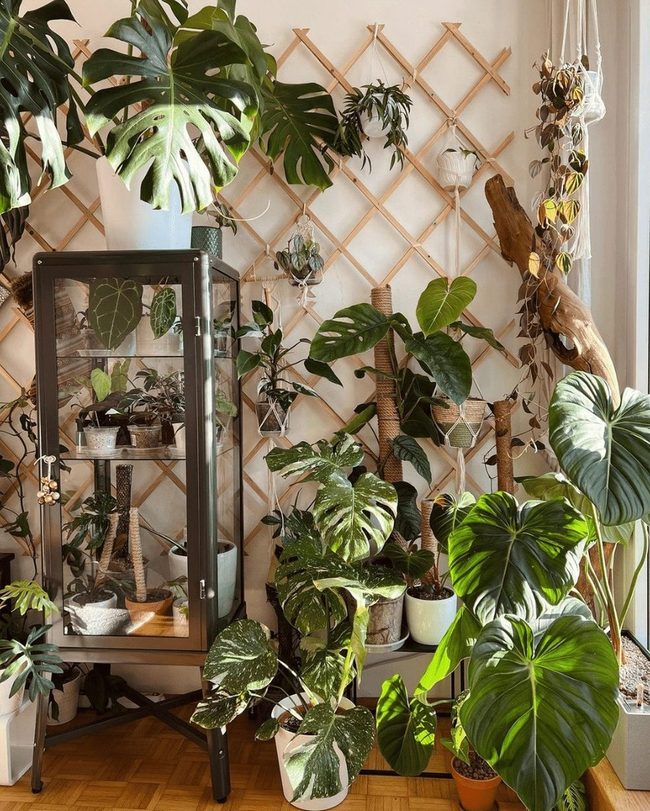
Simple lattice backdrop behind your cabinet can transform a blank wall into something far more interesting, and the best part is that you can hang trailing plants from it that don't require the same moisture levels your cabinet provides.
This approach gives you a way to expand your plant collection beyond what fits inside the cabinet itself.
You'll also gain extra spots to display smaller greenery or trailing vines that add visual depth and movement to the space.
Installing lattice is straightforward work that most people can handle with basic tools.
Beyond looking great, the lattice serves a real purpose by giving you multiple hanging opportunities without taking up floor space.
Stacked Shelves Green Corner
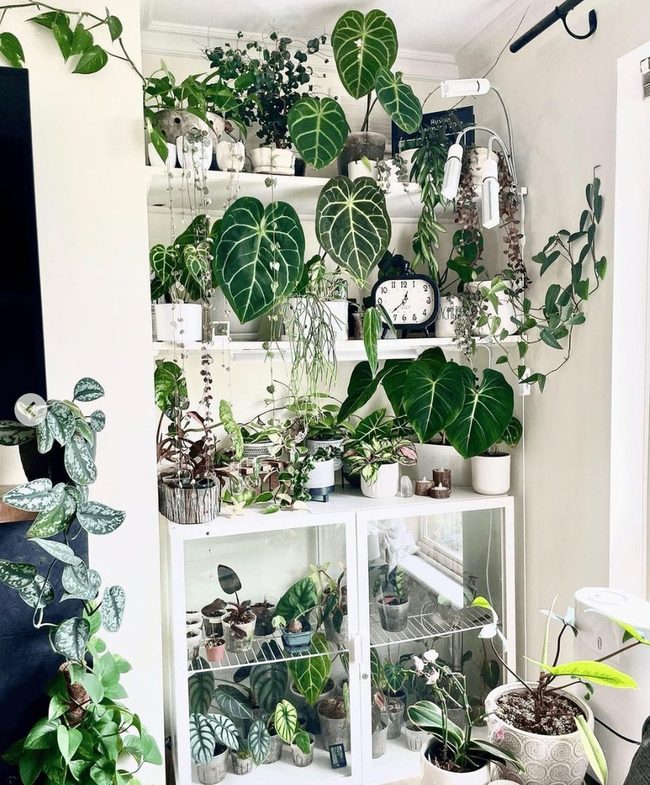
If you want to go beyond a single greenhouse cabinet, you can expand your indoor garden into a full corner display by stacking shelves above the cabinet and positioning plant stands around the base.
Hanging planters work beautifully in the space between shelves, and small additional greenhouses can fill in gaps and create height variation.
An IKEA greenhouse hack is a solid starting point for this kind of project.
As your plant collection grows over time, you have room to keep adding more pieces and rearranging everything to fit your expanding needs.
Building upward and outward lets you maximize the space you have available.
You can layer different heights and structures to make the corner feel more full and interesting.
Small greenhouses, shelves, and stands all combine to give you plenty of surface area for your plants.
This approach means your setup can evolve with your hobby without needing a major redesign.
Adjustable Shelves For Growing Plants
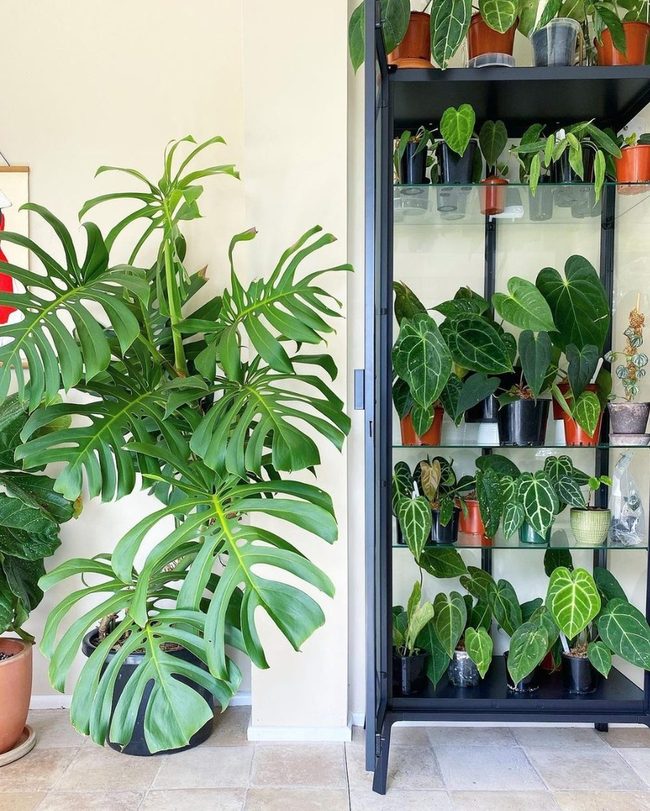
Your IKEA cabinet likely has adjustable shelves that give you plenty of flexibility to work with, so feel free to experiment with moving them around to suit your needs.
Lower the shelves positioned above your shortest plants to save valuable space, and raise them higher when you need room for taller varieties to grow upward.
You can remove shelves entirely or add new ones depending on what works best for your collection.
One thing I recommend is checking your shelf arrangement every so often since plants don't stay the same size forever.
As your plants grow taller and fuller, you'll want to shift things around to give each one adequate headroom and prevent crowding.
This simple habit of adjusting heights keeps everything functioning well and ensures your plants have the space they need to thrive.
Glass Containers Reveal Living Root Systems
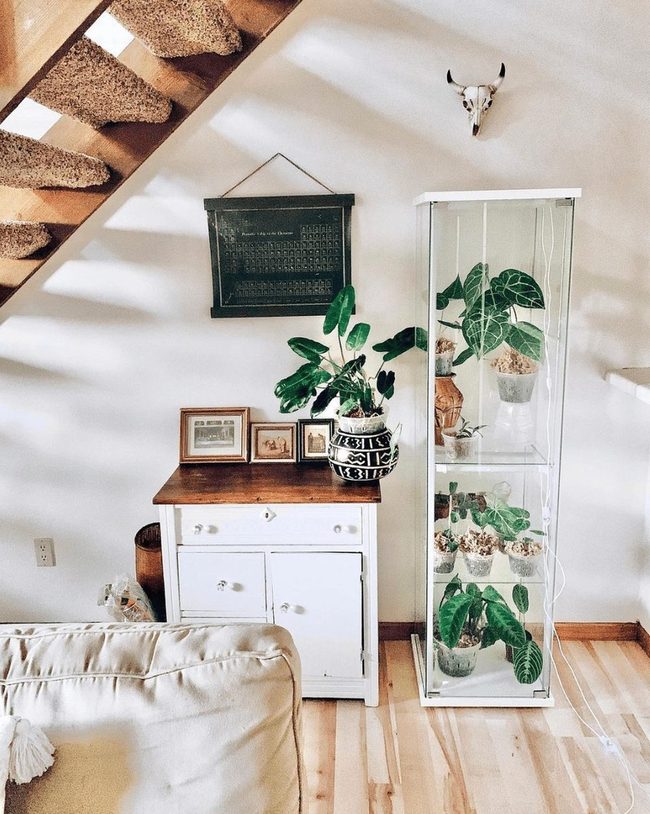
Clear containers give your plants a modern edge because they show off the root system, which most people rarely get to see and find fascinating to look at.
You can watch how the roots develop and spread through the soil, adding a living, dynamic element to your space.
While decorative planters certainly have their charm, transparent options offer something different and educational.
Placing clear containers on shelves or tables means visitors naturally become curious about what's happening beneath the soil surface.
The roots themselves become part of the visual appeal, almost like natural artwork displayed right in front of you.
If you want to make your green spaces more interesting and add layers of visual interest beyond just the plant foliage, this simple swap does the work.
Clear containers work well in any room style, from minimalist setups to more eclectic spaces.
It's a straightforward way to make plants feel less like typical decor and more like something worth paying attention to.
Glass Shelves With Living Greenery
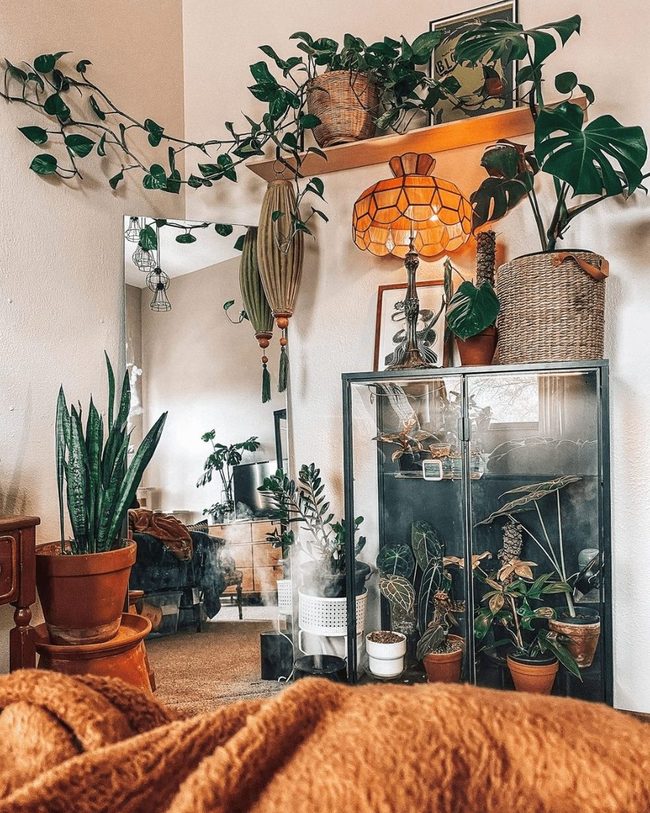
Plants and decorative items go together beautifully when you think about it.
You can arrange mirrors, shelves, and greenery all around your greenhouse cabinet to build out a complete display.
Glass containers, small sculptures, or wooden accents work well in these spaces.
Mixing textures and colors between your plants and accessories keeps the whole setup from feeling boring.
You don't need to pick one or the other-both can live in the same space and complement each other.
This approach lets you show off your style while still giving your plants room to thrive.
Weather Stripping Seals Greenhouse Moisture
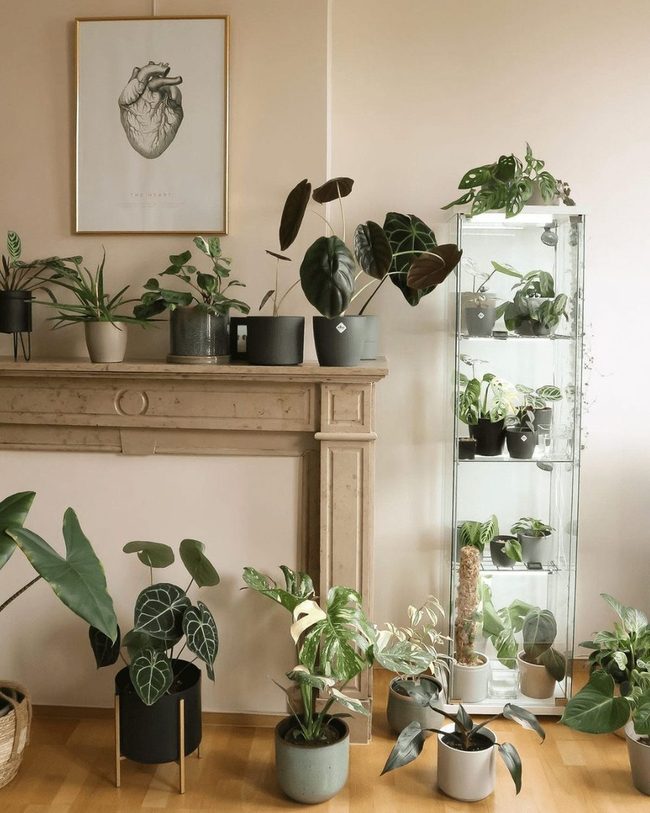
Sealing up cracks in your greenhouse cabinet with weather stripping helps you lock in moisture without needing to buy a humidifier.
If you look closely at the edges and corners of your structure, you'll probably spot gaps where air and humidity escape.
Once it's in place, the trapped humidity stays where your plants need it most.
This simple fix keeps the air inside warm and moist naturally.
You don't need fancy equipment or ongoing expenses to maintain the right environment for growth.
Most gardeners find this method works surprisingly well for maintaining stable conditions throughout the year.
Illuminated Shelves, Indoor Plant Display
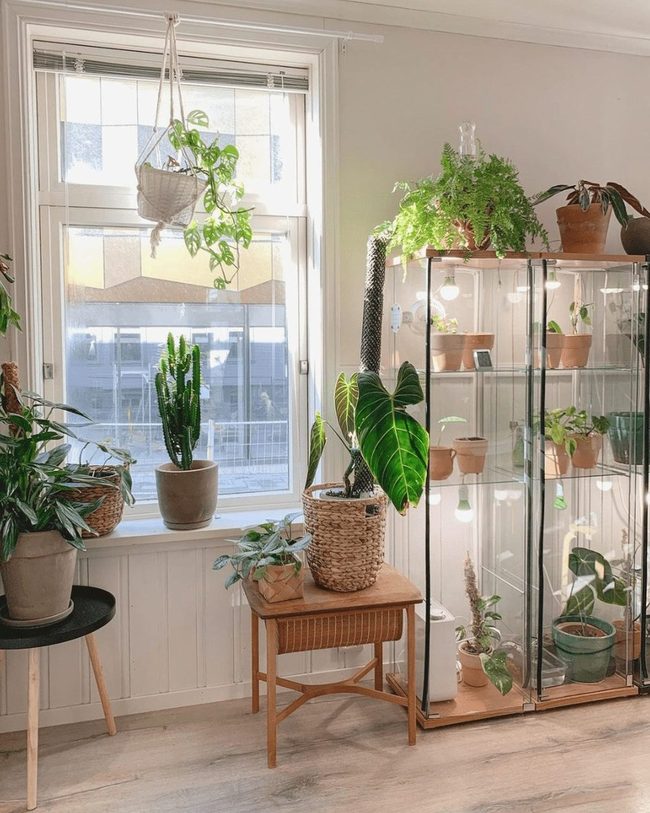
Hanging grow light bulbs above each shelf in your cabinet can transform how your space looks while keeping your plants healthy, and unless your area gets plenty of natural sunlight, these lights are pretty much essential for any indoor gardening setup.
Most people assume grow lights have to look industrial or out of place, but you can actually position them in a way that adds visual interest to your shelving instead of detracting from it.
Mounting them directly above each tier means the warm or cool glow becomes part of your design scheme rather than something you're trying to hide away.
When you arrange bulbs thoughtfully across your shelves, they cast nice shadows and create depth in your display By choosing bulbs that match your overall style, you blend functionality with decoration seamlessly.
It's smart to think about how these lights will look at night when they're on and during the day when you might have them off.
Simple adjustments in placement and bulb selection mean you get the growing power you need and a display that looks great doing it.
Mobile Glass Plant Cart
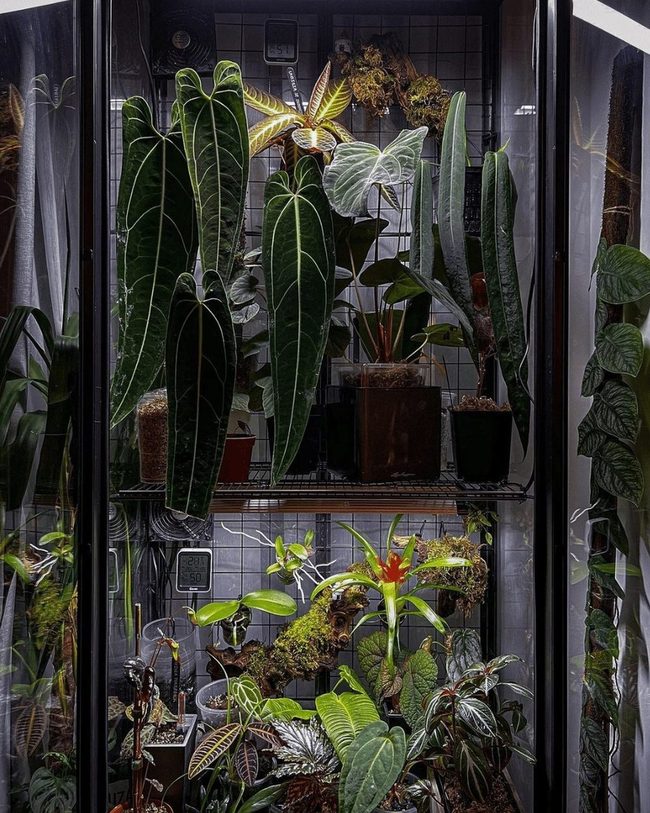
Rolling your greenhouse cabinet around on caster wheels opens up so many possibilities, and the first thing you'll notice is how it transforms from a dense jungle of greenery up close into a sleek mobile cart when you step back.
One plant lover solved the challenge of moving a heavy glass cabinet by simply adding wheels to the base, and this smart choice made repositioning the entire setup effortless throughout their home.
You can wheel it from room to room depending on where you need extra plants or where the light works best on any given day.
Moving such a weighty piece of furniture without casters would require serious effort and planning, so having that mobility built in removes a major headache.
Whether you want your plants near a sunny window in the morning and then shift them to a different spot in the afternoon, wheels make that adjustment quick and simple.
Just roll it wherever suits your needs, and you've got flexibility without straining your back or your walls.
This practical addition turns a stationary plant display into something you can actually live with and adjust as your space and growing plans change.
Living Vines On Glass Cabinet
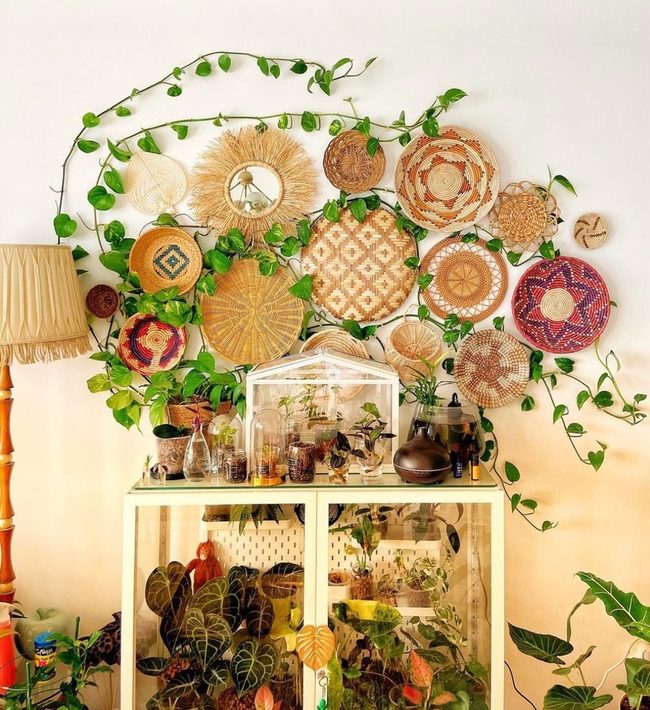
Your greenhouse cabinet's top surface offers a perfect opportunity to blend it seamlessly into your room, and you might start by arranging decorative items, gardening supplies, or propagating cuttings along this space.
Plants themselves can become living artwork when you pin their trailing vines directly onto nearby walls, transforming the cabinet into something that feels like a natural extension of your home.
Adding plant-themed decor around the cabinet helps reinforce this connection and keeps everything cohesive.
Small gardening tools look great displayed on top, and they're practical too since you'll have them within easy reach.
One approach is to group similar items together so the space feels organized rather than cluttered.
Playing with height and mixing textures between plants, objects, and wall vines keeps the eye moving and makes the whole setup feel intentional.
You don't need to overthink it-simply trust that thoughtful placement of what you love will make your cabinet feel like it belongs exactly where it is.
Spaced Green Plants In Glass Cabinet
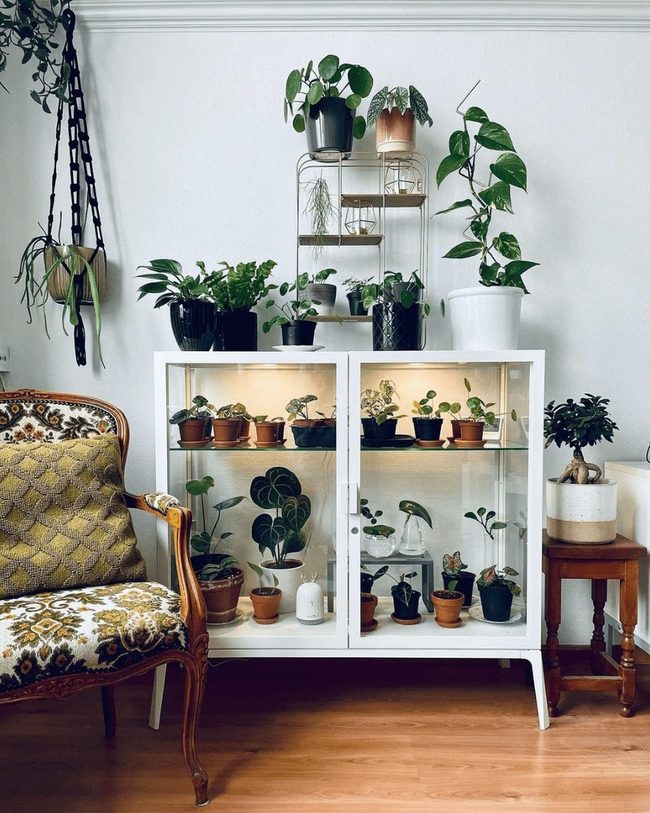
Keeping your plants spread apart inside an IKEA greenhouse cabinet gives you a clean, organized display that actually shows off each piece rather than making things feel crammed.
Many people load these cabinets wall-to-wall with greenery, but if you prefer a simpler look, choosing fewer plants and positioning them with gaps between them works so much better You don't need to fill every corner to make an impact.
Spacing things out also means your plants get better air circulation and it's easier to water and care for each one.
This approach especially suits anyone who likes minimalist design or just wants their collection to look intentional rather than haphazard.
When you step back and look at your cabinet, that breathing room makes all the difference in whether it reads as a curated collection or just a bunch of plants shoved together.
Wire Shelves For Better Plant Air
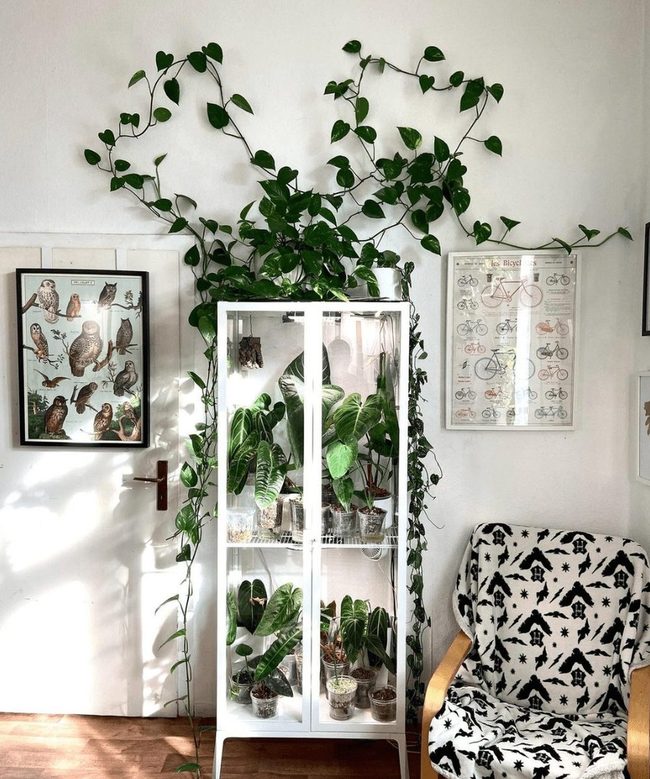
If you're planning to convert an IKEA cabinet into a greenhouse, you'll encounter plenty of choices in materials and styles.
Most people go with a metal cabinet that has glass shelves inside since both can handle the intense moisture that builds up in a greenhouse environment.
Glass shelves work well and look nice enough for any setup, but swapping them out for wire shelves can improve how your plants actually perform.
Wire shelves have a big advantage because they allow air and humidity to move around more easily throughout the cabinet.
This better circulation means the conditions stay more balanced from the top shelf down to the bottom, which helps all your plants thrive equally.
Slanted Shelf For Towering Plants
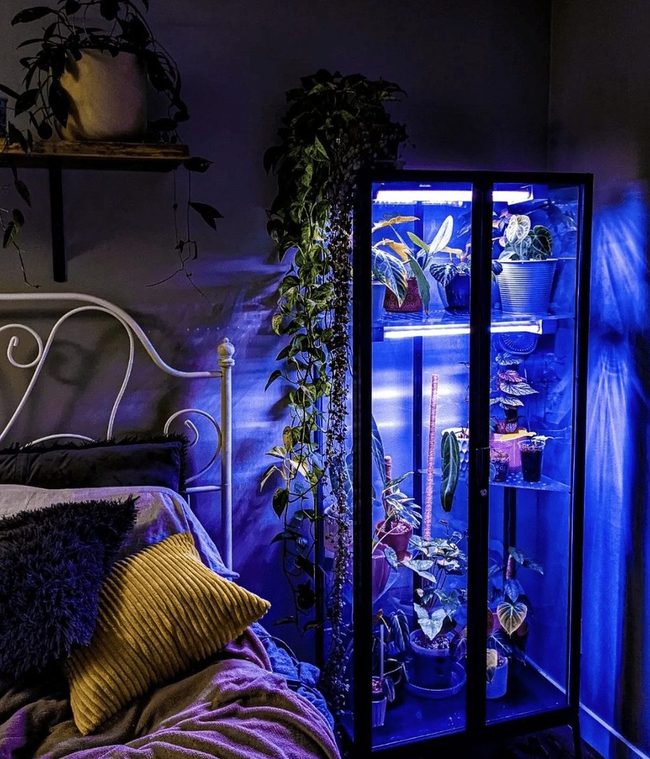
Slanted shelf works wonderfully when you have one oversized plant that dominates your greenhouse cabinet space.
Swapping out a regular shelf for a triangular one lets your tall plant stand without crowding everything else around it.
You get better balance in your cabinet layout and avoid that awkward feeling when one plant towers over the rest.
The angled design solves the height problem while keeping your collection organized and visible.
Most people don't think of this solution, but it's surprisingly practical for anyone dealing with mismatched plant sizes.
Porous Clay Balls, Healthier Plants
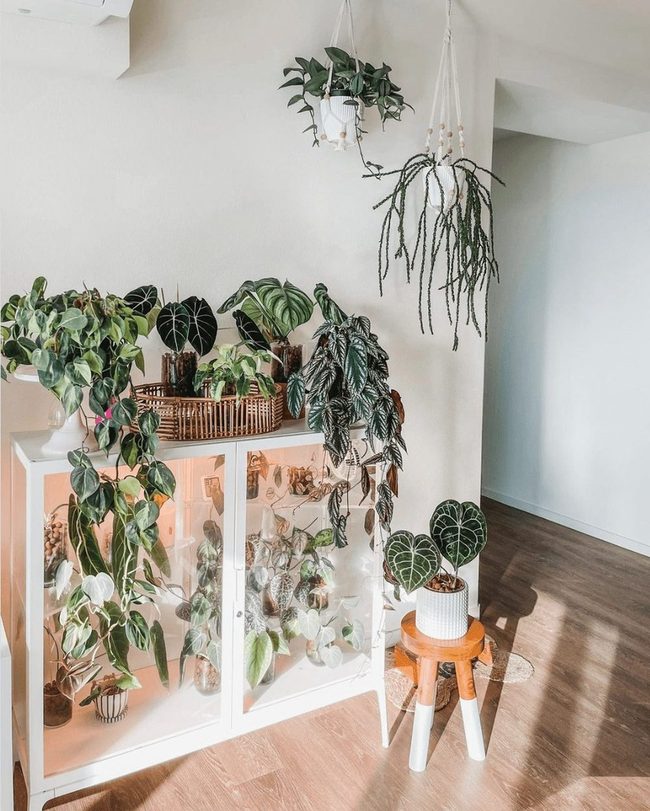
Lightweight expanded clay aggregate, or leca, looks so striking with those baked clay balls sitting in your plant pots that many experienced plant parents have switched away from traditional soil entirely.
You'll notice these round, porous spheres do more than just catch the eye.
Leca actually holds moisture really well, which means your plants can drink water whenever they need it rather than depending on you to get the timing perfect.
This method cuts down on common problems like pests and root rot that often come with regular soil.
Since your plants have better access to water and air circulation improves, caring for them becomes much simpler.
You won't have to water as frequently or worry as much about overwatering.
If you want an easier watering routine and healthier plants overall, switching to leca is worth trying out.
Clay Pots Transform Plant Display
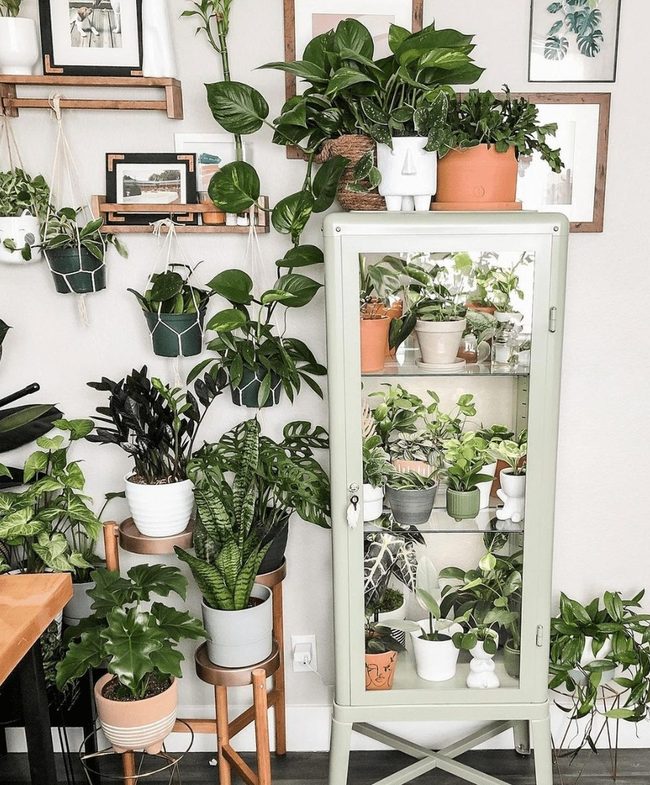
Large clay pots in warm earth tones stacked on glass shelves make an instant statement and draw attention to your plant collection right away.
You can stick with one classic planter style throughout your cabinet for a clean, unified look, or you can blend several different styles together to introduce more color and interesting textures.
Ceramic planters with raised patterns pair beautifully next to smooth glazed ones, and mixing matte finishes with shiny surfaces adds depth to the display.
When you choose pots with care, they become just as much a part of the showcase as the greenery itself.
Consider picking a color palette and sticking to it-maybe warm neutrals with one pop of color, or a range of cool tones.
Your plants will feel more connected to their containers when there's some thought behind the selection.
Even simple terracotta pots can look refined when arranged with intention and paired with interesting plant varieties.
Standing back and looking at how the planters look together makes a real difference in how the whole cabinet feels.
Mixed Height Plant Cabinet Display
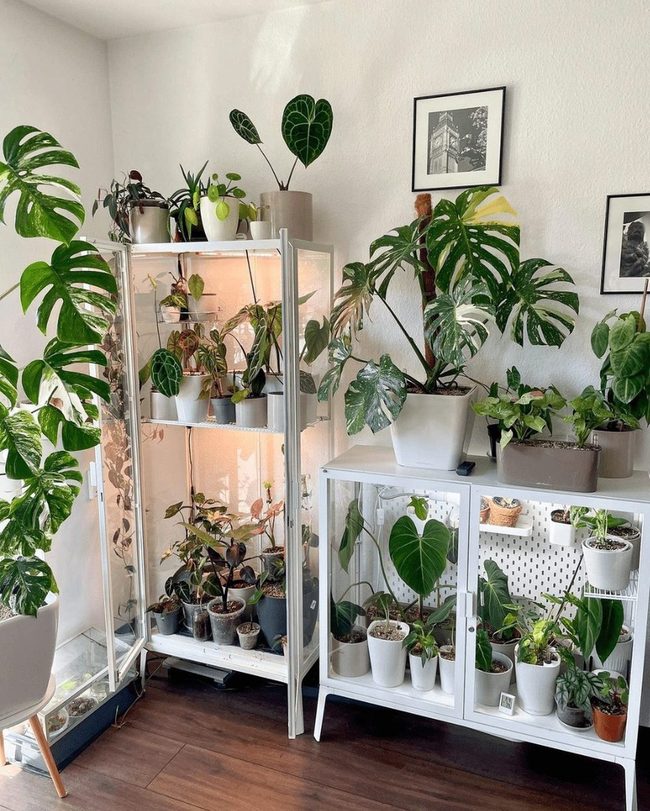
Mixing cabinets of different heights and widths gives your plant collection real presence in a room, so you might want to skip the idea of just one piece and go with several instead.
Your plant selection will likely need more space than a single cabinet can offer, and combining different styles actually looks more interesting than having everything match.
IKEA offers plenty of cabinet options that work well for this purpose, and you can pair a tall, narrow piece with a short, wide one to create visual variety.
If you prefer uniformity, stocking up on identical cabinets and lining your walls with them works just as well.
Both approaches let you display more plants and make your space feel fuller.
What matters most is choosing cabinets that suit your home's style and your plants' needs.
Playing with different shapes and sizes is easier than you might think, and it opens up lots of design possibilities for showing off your collection.
Ava Jensen
Founder & Chief Creative Officer
Expertise
Holistic Interior Design Approach, Space Planning & Functional Layouts, Sustainable Design Practices, Digital Fabrication & Innovative Technologies, Residential & Commercial Project Management, Integration of Traditional and Modern Design Principles, Studio-Based Creative Problem Solving
Education
Westphal College of Media Arts & Design
Ava Jensen is the heart of kreativk.net. Based in Philadelphia, she combines classic and modern design methods to create spaces that are both beautiful and practical.
Trained at Westphal College of Media Arts & Design, Ava focuses on building sustainable homes and offices using smart, digital tools. She enjoys working with eco-friendly brands and loves sharing her knowledge with new designers.