
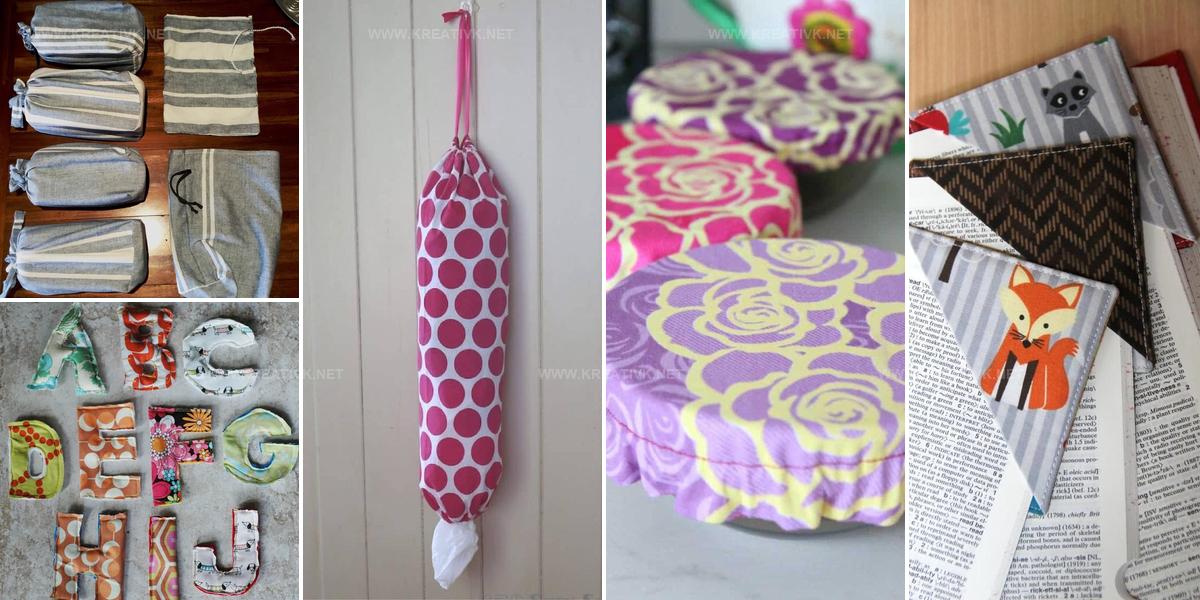
15 Creative DIY Zeroథage Sewing Projects for Beginners
Sewing projects with zero waste principles help anyone reduce fabric scraps while making beautiful items for everyday life.
When materials cost money and environmental impact matters, learning to maximize every inch becomes both practical and rewarding.
Patterns designed without waste challenge conventional methods but deliver surprisingly versatile results.
Small changes in how fabric gets cut can mean the difference between bags full of remnants and complete material usage.
Many sewers feel frustrated watching perfectly good cloth end up in trash bins after finishing garments or home goods.
This approach delivers solutions that save resources, money, and guilt all at once.
What seems difficult at first becomes second nature once the concepts click for anyone willing to learn smart cutting techniques.
Fabric Scraps Grocery Bag
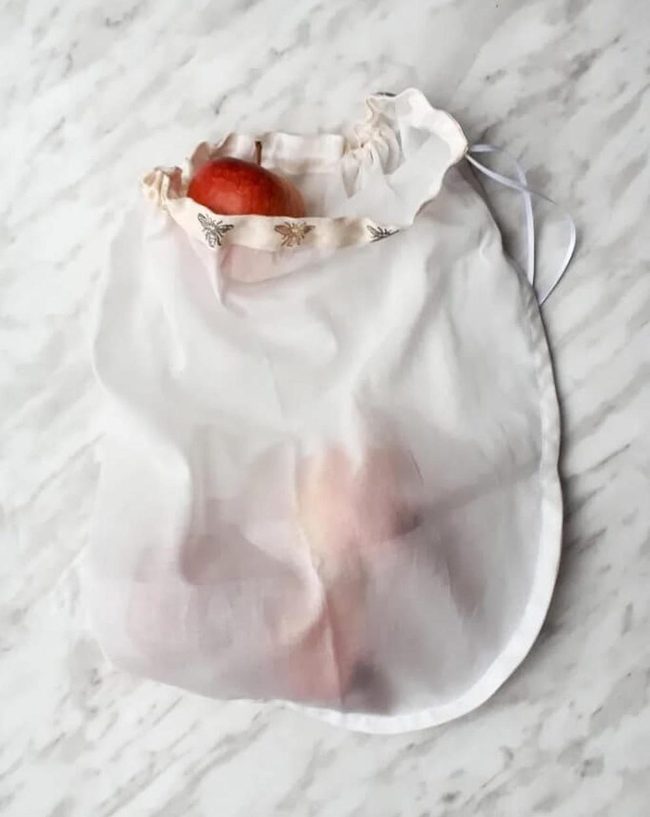
Making a cloth bag from fabric scraps you already have is a smart way to cut down on paper and plastic waste during shopping trips, and the process itself is simple enough for anyone to handle.
Strong, durable scraps work best for this project, so dig through your collection and pick out pieces that can handle the weight of groceries without falling apart.
Repurposing fabric that would otherwise sit unused gives new life to materials gathering dust, and you'll feel good knowing you're keeping things out of the landfill.
Once you've made your bag, it holds up well in the washing machine and keeps fresh produce in good shape during your trip home.
Shopping with a homemade cloth bag in hand means you're making an eco-friendly choice that actually works for everyday use.
This kind of practical project turns scraps into something useful while helping the planet at the same time.
Microwave Popcorn Cloth Bag
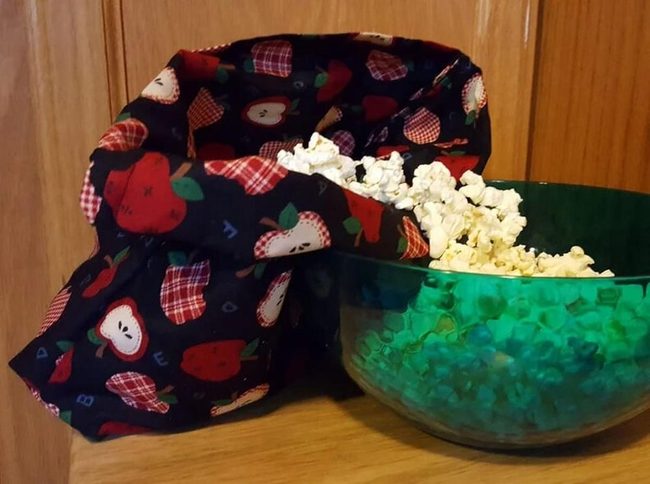
Keeping snacks away from little hands becomes easier when you set up a personal stash cupboard in your kitchen, and this simple step solves the daily challenge of protecting your treats.
A cloth popcorn bag makes snack prep more convenient since you can microwave kernels right inside without creating mess all over your kitchen, and when grease builds up, tossing it in the wash takes just minutes.
Making your own bag from larger fabric scraps lets you add a creative touch to your routine and transform scraps that might otherwise go unused.
Your family will be pleasantly surprised to discover fresh popcorn hiding inside, and the homemade bag becomes part of the fun rather than just a basic storage solution.
Fabric Letters, Zero Waste
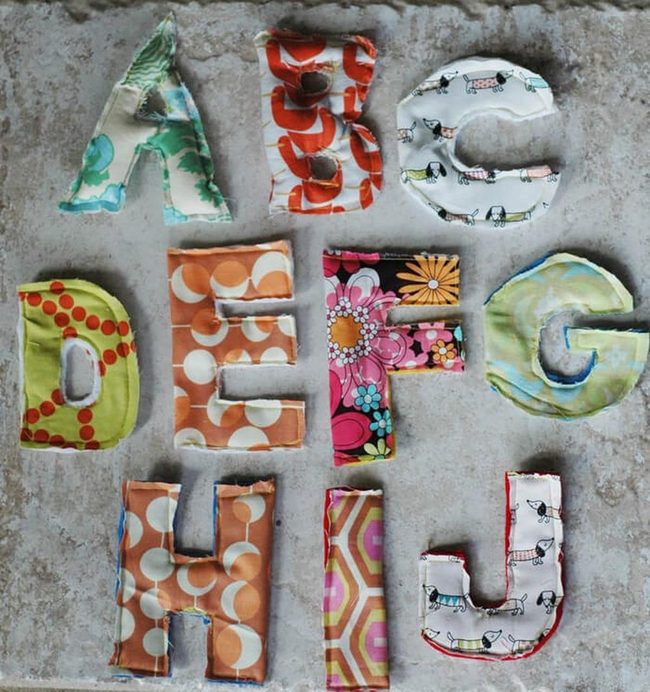
Cloth alphabet letters mounted on your fridge with magnets bring bold color and personality to your kitchen in an instantly noticeable way.
You can take this concept further by sewing these fabric letters onto toss pillows, which adds dimension and makes them pop off your furniture in a way that flat decorations simply can't match.
Beyond the visual appeal, this approach lets you reduce waste while tapping into your creativity at the same time.
Small fabric scraps that might otherwise end up in the trash become functional and decorative pieces throughout your home.
Zero waste sewing projects like these prove that leftover materials have real potential when you put them to good use.
The process is straightforward enough for beginners, and the results brighten up any room without requiring much investment.
Fabric Bag Storage Organizer
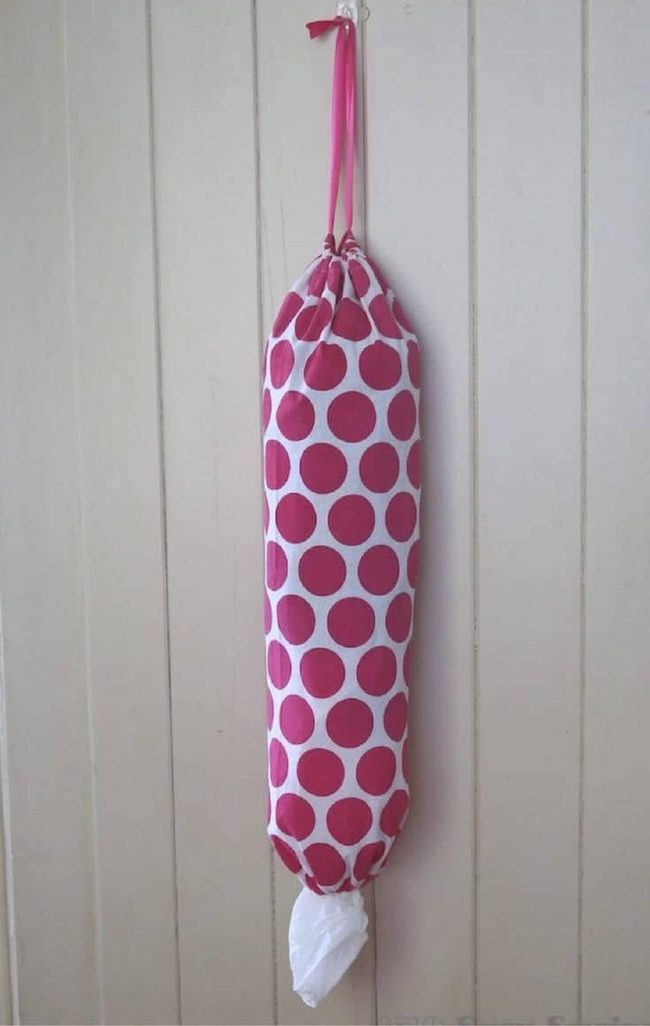
Stuffing extra grocery bags into a fabric pouch keeps them neat and out of sight, so your space stays organized instead of cluttered with plastic everywhere.
The bag works just as well for storing garbage bags if that fits your routine better, and you can hang it easily using ribbon or rope from hooks you likely already have around your home.
Because the top pulls shut with a drawstring, nothing falls out when you reach down to grab a bag from the bottom opening.Repurposing fabric this way means you're not tossing things out, and you're solving a real problem at the same time.
It's one of those solutions that works quietly in the background without taking up much thought or effort.
Fabric Scrap Bowl Covers
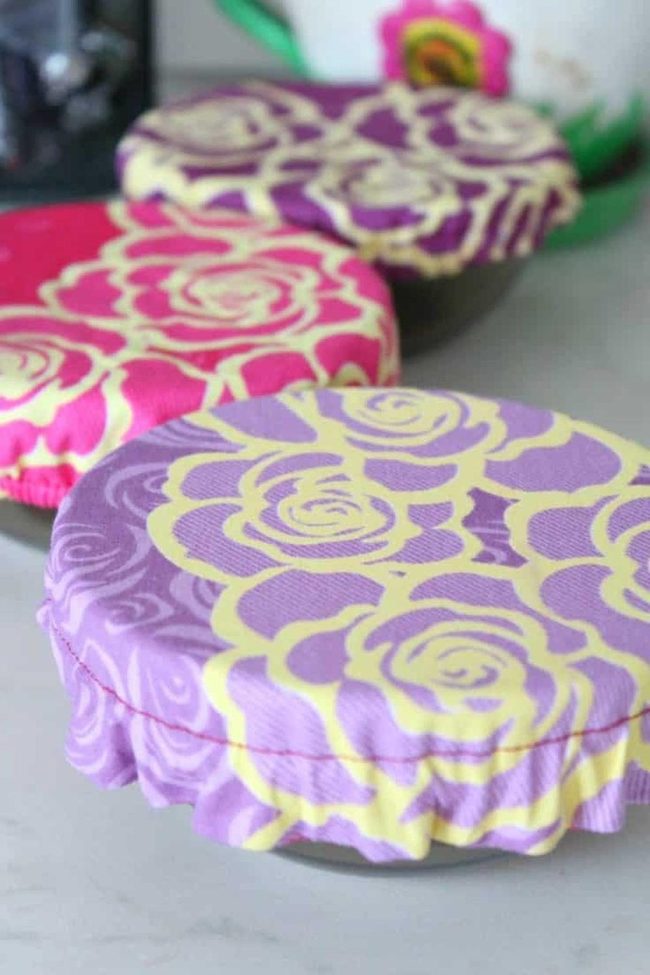
Fabric bowl covers cut from cloth scraps into simple circles with elastic sewn around the edge stop food from drying out or spoiling while you're storing dishes in your fridge, and they look way better than plastic wrap or foil sitting on top of bowls.
We find this works as an easy project where you gather leftover fabric pieces and get creative with patterns and colors you already have at home.
The best part is that when they get dirty, you just toss them in the washing machine like regular laundry instead of throwing away disposable options each time.
If you care about reducing waste in your kitchen, swapping out plastic and foil for these reusable cloth covers makes a real difference over time.
Making a few of these takes just an afternoon, and then you have them ready whenever you need to cover leftovers.
Fabric Bread Keeper Bag
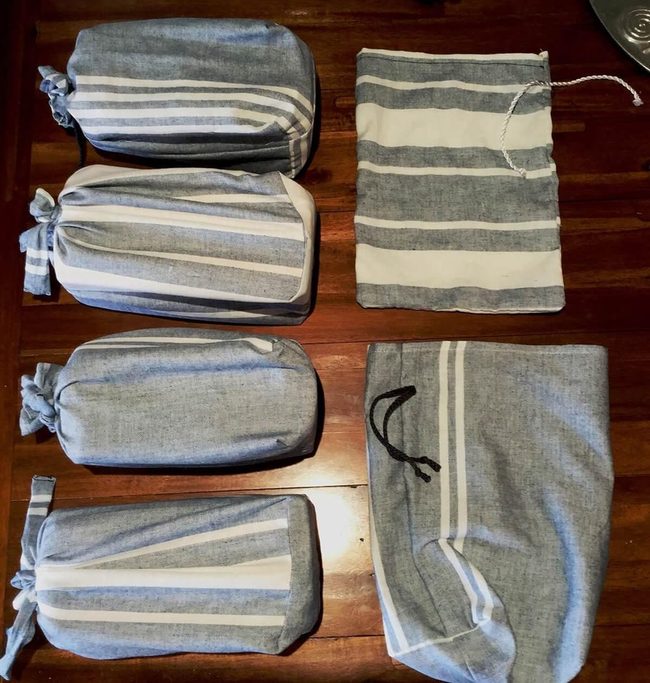
When you want homemade bread to stay fresh and soft longer, a sewing pattern offers a smart solution for making a dedicated storage bag.
The instructions walk you through marking and cutting fabric pieces that work just as well for shawls or pillowcases, so you can repurpose cloth scraps into a loaf bag.
This project works wonderfully for beginners since it doesn't require advanced skills or experience.
Long strips of leftover fabric from other sewing projects find new life here instead of going to waste.The whole process keeps things simple and practical without any complicated steps involved.
Reversible Fabric Bowl Cozies
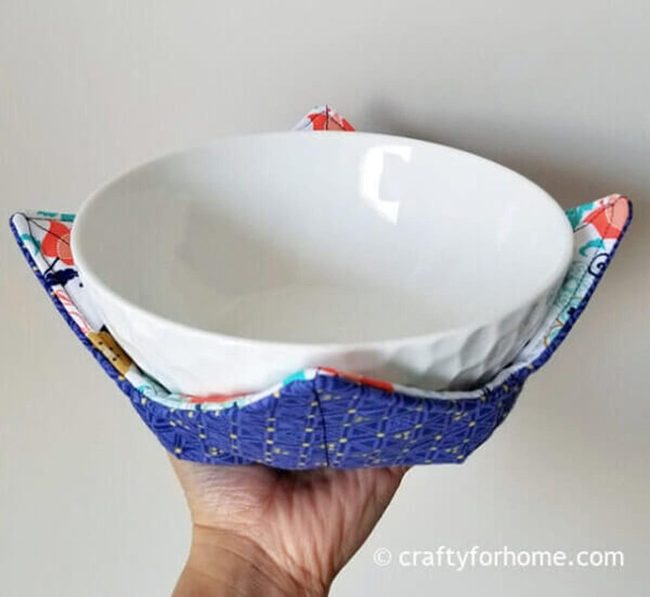
Serving bowls don't have to sit on your table looking boring and plain, but with a simple project like bowl cozies, you can turn them into something that really stands out.
These fabric creations are reversible, which means you get two different looks just by flipping them inside out and showing off new colors or prints whenever you want a change.
Making them is straightforward: grab some fabric scraps and batting, cut them to size, and run them through your sewing machine before turning everything right-side out for a polished finish.
Tiny Fabric Scraps Into Bookmarks
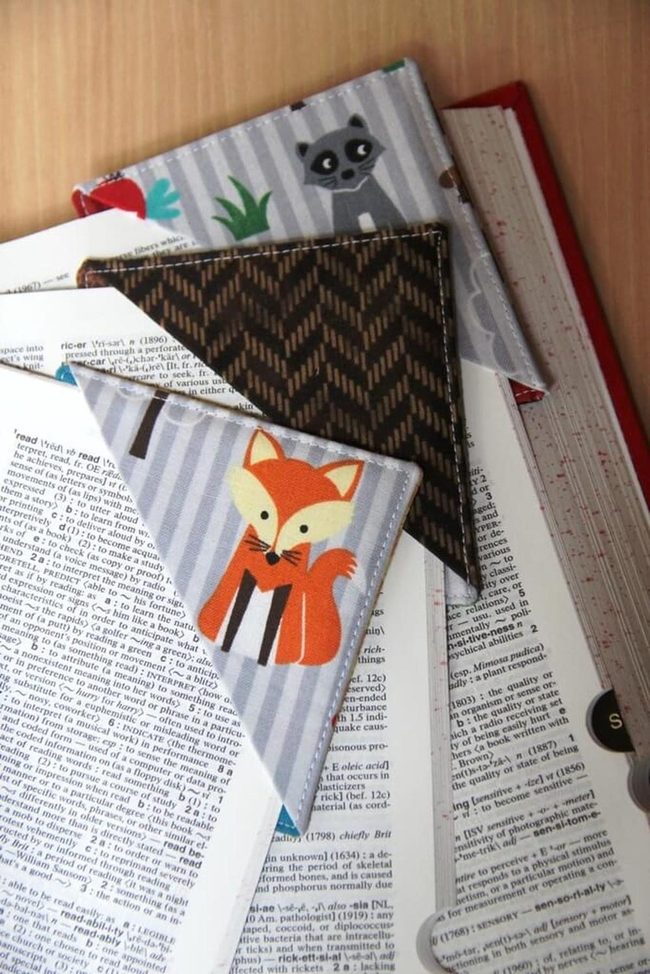
Cute bookmarks made from small fabric scraps solve a common problem when your leftover pieces measure less than two inches by two inches.
Stitching a triangle of fabric onto a strong square creates an effective design that protects page corners from wear and tear.
Beyond looking nice on your bookshelf, these bookmarks actually help you mark the next section you plan to read.
They turn into helpful tools for keeping track of your reading goals.
Making them is straightforward and requires just basic sewing skills.
You end up with practical items that keep your books in better shape while you enjoy them.
Fabric Scrap Kitchen Protectors
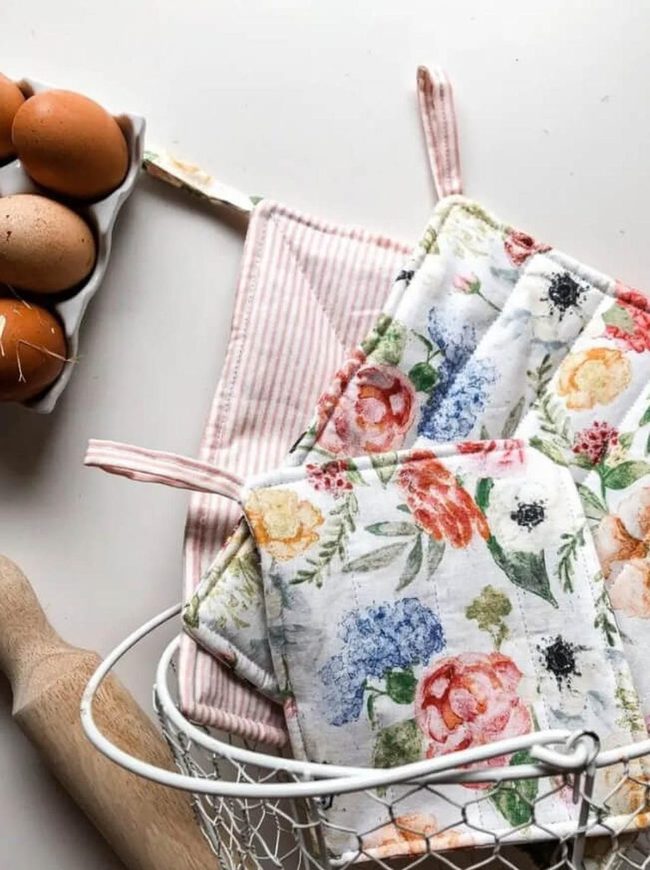
Weaving potholders on a square loom connects you to childhood memories while producing something genuinely useful in your kitchen, and the beauty of this project lies in how you can adjust the size to match whatever you need
Making potholders ranks high among zero waste sewing projects because you're using materials that might otherwise end up in the trash, and we love how straightforward this craft is.
If you want to expand beyond single potholders, you can stitch several together to build an entire quilt from your handmade pieces.
The flexibility of this approach means beginners and experienced crafters alike find success with it.
Fabric Scraps Stitched Together
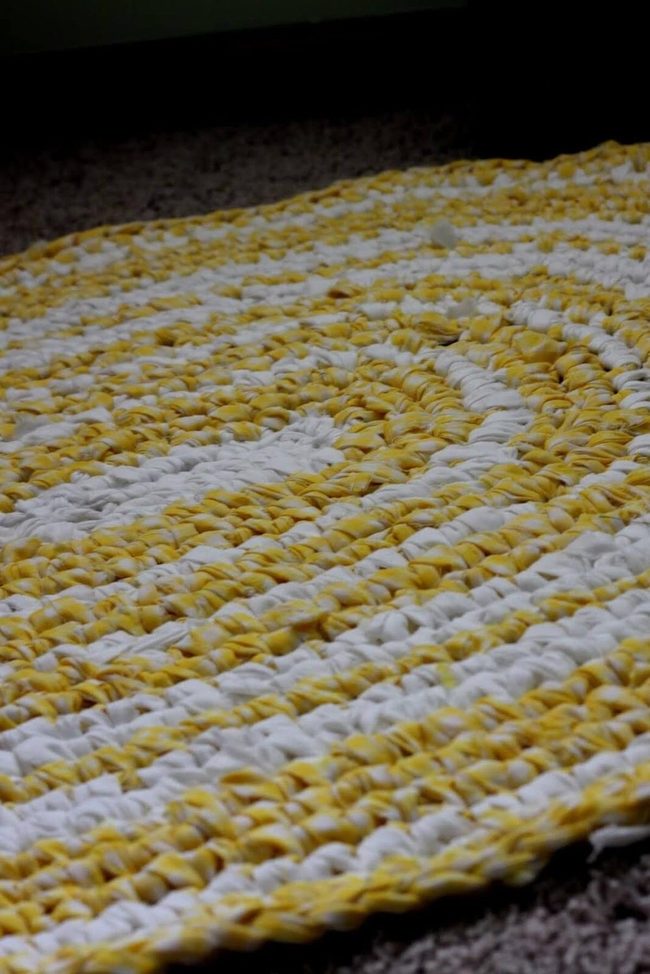
Braided rugs carry a touching connection to previous generations, often reminding us of relatives who lived through the Great Depression and WWII when waste was simply not an option.
People took long strips of leftover fabric, twisted them into rope-like cords, and then stitched these braids together by hand into circular or oval shapes, producing something both useful and meaningful.
You have complete freedom to mix different fabric scraps together and build a totally unique design that no one else will ever have, or if you want something that looks store-bought, you can stick to matching colors and patterns carefully until you get that polished result.
The beauty here is that the choice belongs entirely to you, and either direction leads to a rug with real personality and history woven right into it.
Custom Fitted Tablecloth Solutions
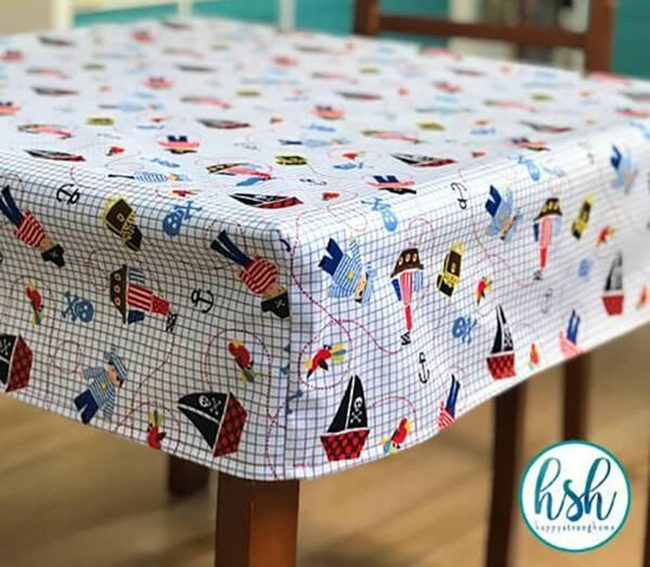
Oddly shaped kitchen table can be tricky to dress up, and finding a tablecloth that actually fits feels nearly impossible when you're dealing with unusual dimensions and colors that match your space.
Most standard cloths either hang too loose or slide all over the place during meals, which gets annoying fast.
Instead of struggling with ill-fitting options, you can make a fitted tablecloth from a single piece of fabric you might already have around your house.
This simple sewing project keeps your table covered securely without any shifting, and it works well if you use it regularly.
Beyond solving your table problem, this approach cuts down on fabric waste and gives new life to materials that would otherwise sit unused.
The whole process is straightforward enough for anyone with basic sewing skills, and you end up with a custom solution that actually stays put.
Denim Bean Door Blocker
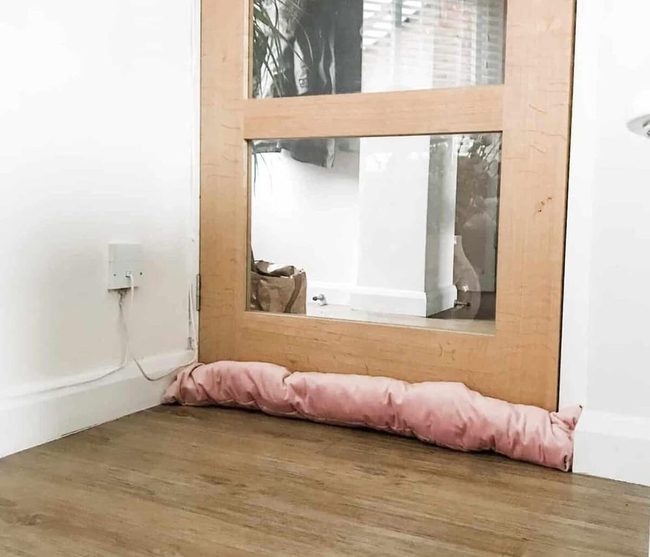
Store-bought draft stoppers often come with a hefty price tag, but you can easily make one at home for just a few dollars.
Grab a long tube of scrap fabric and stuff it with beans, which work wonderfully because they're dense and heavy enough to block air from sneaking under doors.
If beans aren't on hand, dried rice, pea gravel, tightly rolled old socks, or even recycled bubble wrap all do the job just fine.
Thick fabric scraps are your best bet for actually stopping drafts, and the cut-off legs from old blue jeans happen to be perfect since they're sturdy and durable.
You can use any material you have around the house though, so don't feel limited to just one option.
This simple project takes almost no time and saves you money while keeping your home warmer and more comfortable during cold months.
Striped Canvas Market Tote
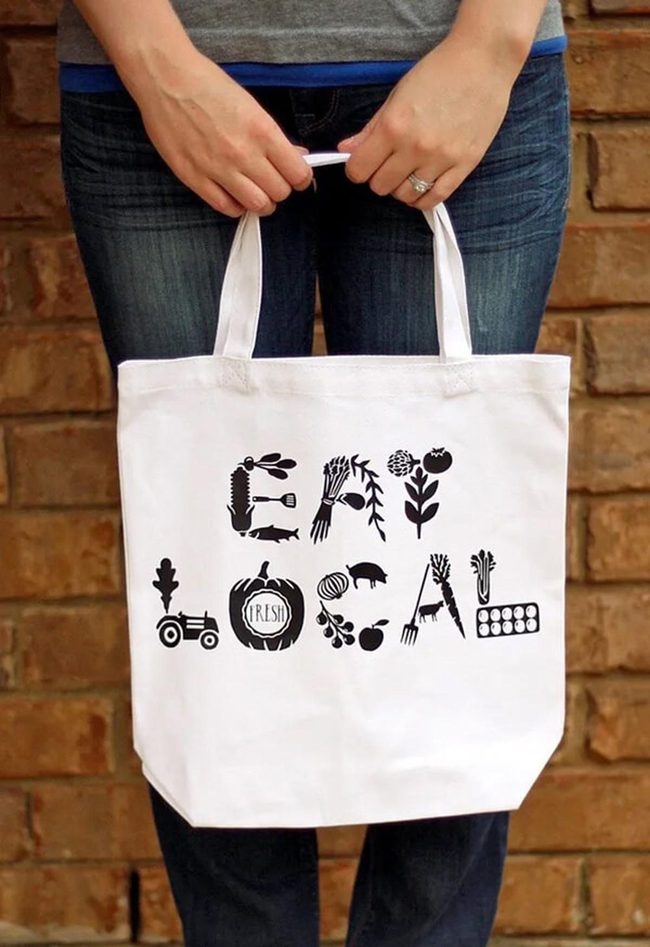
Canvas tote bag in bold stripes or eye-catching patterns will make heads turn when you carry it to the farmer's market this summer.
You can easily customize a plain bag with vinyl heat transfer or hand-painted designs using craft paint to match your personal style.
If sewing is something you enjoy, making your own tote from spare canvas gives you total control over the look and feel.
For those who'd rather skip the DIY route, purchasing a ready-made bag saves time and still looks great.
Adding letters or shapes cut from scrap fabric lets you personalize a store-bought option without much effort.
Whether homemade or store-bought, a decorated canvas bag becomes both practical and unique, turning everyday shopping into something that reflects who you are.
Washable Cotton Circles Forever
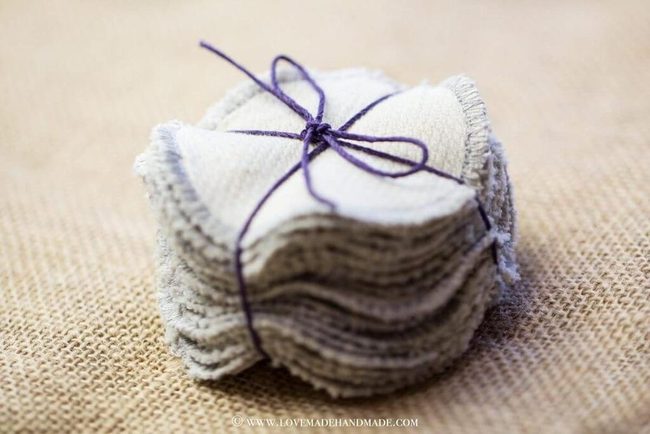
Cloth rounds work wonders for so many tasks around your home, from wiping your face to taking off nail polish, and there's no reason to throw them away when they're done.
The rougher ones handle scrubbing and cleaning jobs really well, while the softer fabrics become part of a warm quilt or patch holes in your favorite clothes.
Once you've used them, pop them in the washing machine and they bounce back ready for the next round.
This simple habit of reusing and washing them over and over keeps waste out of the trash and saves you money in the long run.
By ditching the throwaway mentality, you're making a real difference in how much stuff ends up in landfills.
These little circles show how easy it is to live more mindfully without sacrificing anything in your daily routine.
Velcro Fabric Snack Pouches
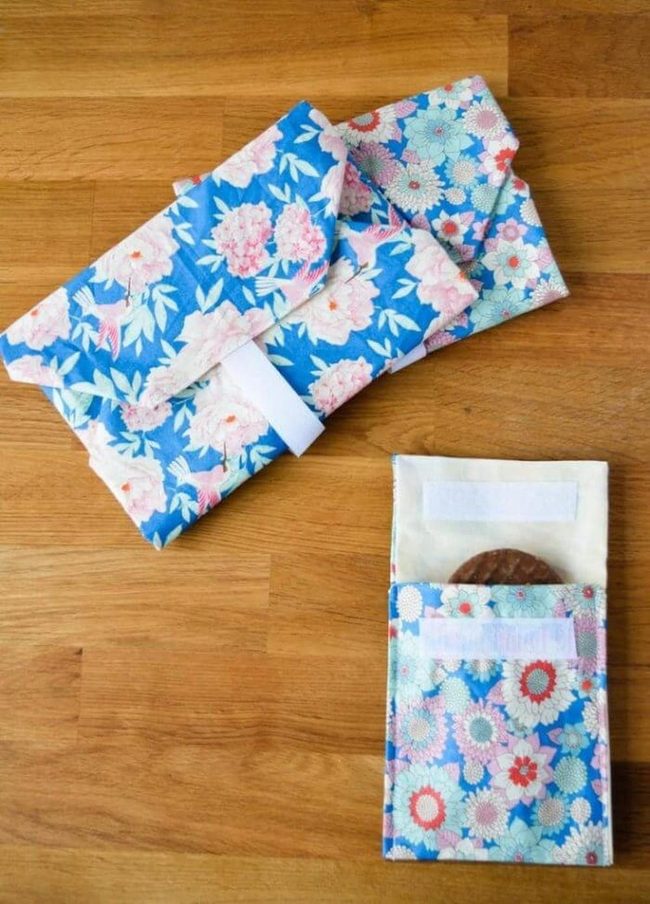
Keeping snacks organized while you're moving around becomes so much easier when you use small fabric pouches that stay securely closed and won't spill everywhere.
Sewing together fabric scraps into pouches is a straightforward solution that works well because you can use whatever materials you already have at home, no matter what size they are.
Velcro strips on the pouches hold everything in place and stop your snacks from tumbling out when you're traveling or running errands.
This simple approach means you can grab your favorite snacks whenever hunger hits without any mess or frustration getting in your way.
Ava Jensen
Founder & Chief Creative Officer
Expertise
Holistic Interior Design Approach, Space Planning & Functional Layouts, Sustainable Design Practices, Digital Fabrication & Innovative Technologies, Residential & Commercial Project Management, Integration of Traditional and Modern Design Principles, Studio-Based Creative Problem Solving
Education
Westphal College of Media Arts & Design
Ava Jensen is the heart of kreativk.net. Based in Philadelphia, she combines classic and modern design methods to create spaces that are both beautiful and practical.
Trained at Westphal College of Media Arts & Design, Ava focuses on building sustainable homes and offices using smart, digital tools. She enjoys working with eco-friendly brands and loves sharing her knowledge with new designers.