
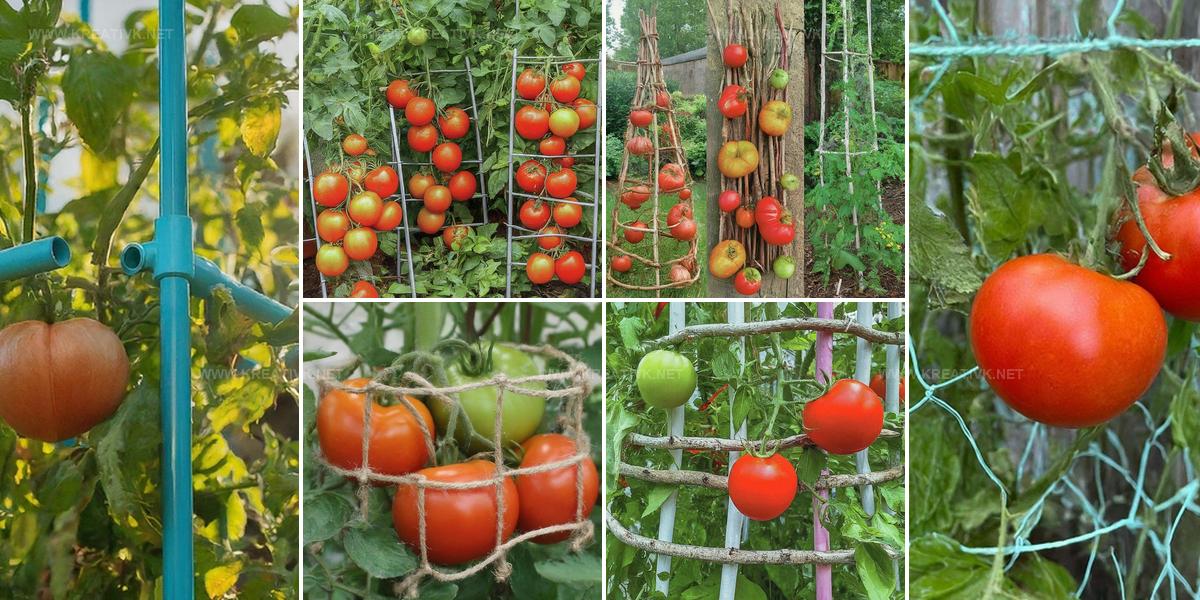
10 Creative Homemade Tomato Cage Ideas That Work
Building a diy tomato cage ideas system can make all the difference when you want healthy, productive plants that don't sprawl across the garden in a tangled mess.
Supporting tomatoes properly means bigger harvests, cleaner fruit, and easier maintenance throughout the growing season.
Cages keep vines upright and organized while allowing sunlight and air to reach every part of the plant.
Simple materials from around the house or local hardware stores work beautifully for constructing sturdy support structures that last season after season.
Gardeners who invest a little time in good caging methods find themselves rewarded with plants that practically take care of themselves.
The right approach depends on the varieties you grow, the space available, and how much effort you prefer to put into construction versus convenience.
What matters most is choosing a method that keeps those heavy tomato-laden branches off the ground and thriving all summer long.
White Pvc Pipe Tomato Cages
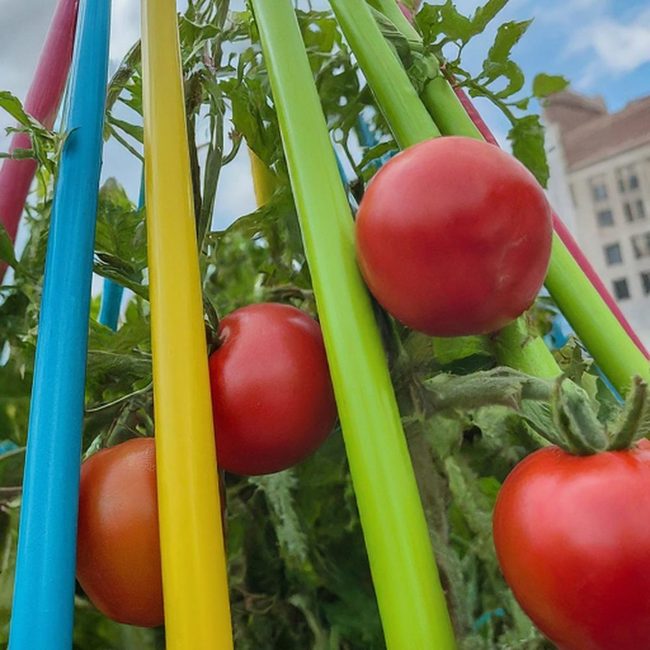
PVC pipe offers a fantastic option for building tomato cages that look great in your garden, and you can paint the pipe any color you want to match your open-air space.
Since this material is durable and built to last for years, your cages will hold up through multiple seasons of use.
Working with PVC pipe is straightforward because you can cut it to whatever length suits your needs and then join the pieces together with T-joints and elbow joints to form cages in different sizes and shapes.
Cost-wise, PVC pipe won't drain your wallet, so you can build as many cages as your garden requires without spending a fortune.
Your tomato plants will have sturdy support while your garden beds get a customized look that reflects your personal style.
Authentic Teak Garden Cage
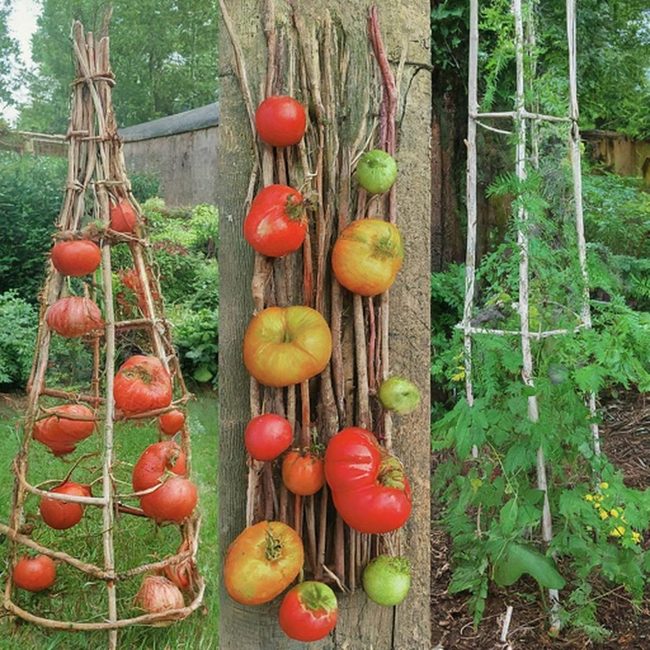
Every wooden tomato cage built from basic wood slats brings instant rustic charm to your garden space and immediately catches the eye with its natural wood tones and sturdy frame.
You can use it to support tomatoes and other climbing plants as they grow throughout the season.
Since it's made from solid wood rather than flimsy wire or plastic, this structure lasts year after year and becomes a more permanent part of your garden layout
If you're looking to enhance your garden with something beyond the basic store-bought options, this wooden version gives you both function and style.
It's a straightforward project that serves your plants well and improves how your whole garden feels.
Wooden Ladder Tomato Support
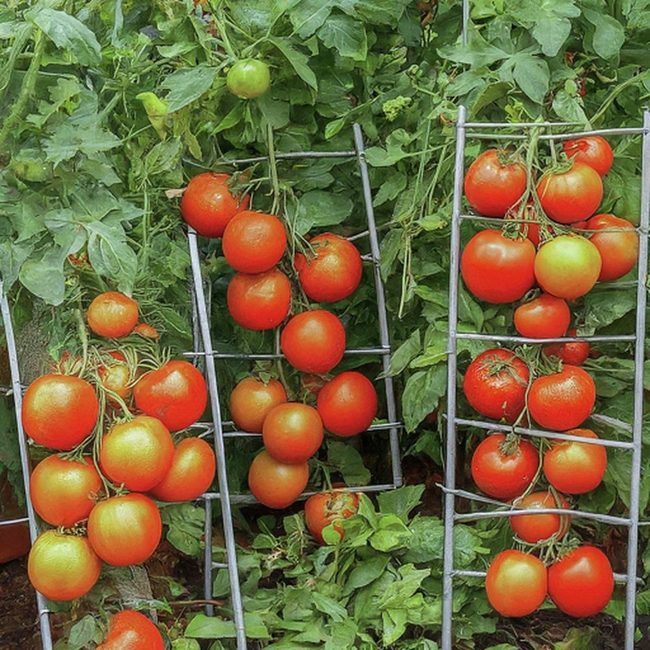
Repurposing an old wooden ladder into a tomato cage brings genuine rustic charm to your garden beds and works wonderfully for growing heirloom varieties.
Your tomato plants get the support they need while the weathered wood adds warmth and character to the space.
Metal wire holds the rungs together securely and allows you to customize the cage size based on your plants' growth patterns.
Gardens with this kind of handmade setup feel more personal and grounded than store-bought options.
If you have an old ladder sitting unused somewhere, this is a straightforward way to give it new purpose.
T-Post Twine Tomato Cages
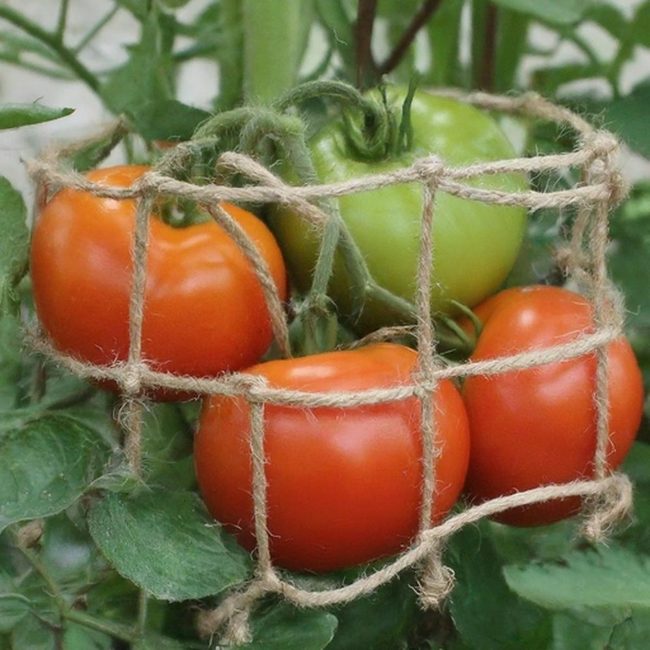
Growing lots of tomatoes means you need plenty of support structures, and building cages from t-posts and twine offers an efficient and budget-friendly solution that works well for large gardens.
It becomes easier to gather a t-post, a post driver, twine, and scissors or a cutting tool to get started with this straightforward project.
A 10-foot length of twine wraps around the t-post five times and provides adequate support for your plants as they grow.
Using a t-post driver makes the job much easier than swinging a sledgehammer, which saves you time and effort while ensuring the posts go straight into the ground.
Once you drive the post into place, you simply wrap the twine around it at different heights and secure it as needed.
This method lets you make multiple cages quickly without spending much money on materials.
Whether you're managing a small plot or a large production, scales well and keeps your tomato vines organized and off the soil.
Pure Bamboo Tomato Plant Support
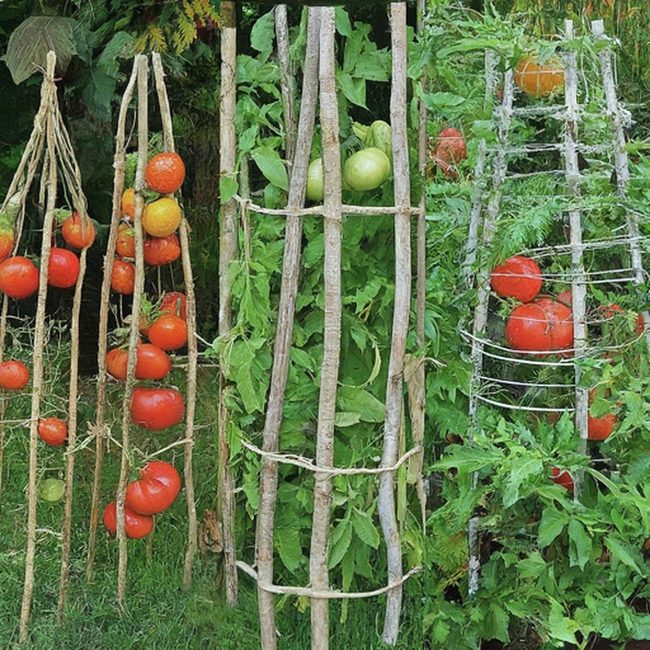
Bamboo tomato cages bring a refreshingly natural appearance to any garden space, and they're surprisingly simple to build yourself using just bamboo stakes and twine.
You don't need special skills or tools, the basic method involves arranging stakes in a circle and securing them together with twine at different heights.
If bamboo isn't available in your area or doesn't match your garden style, the same technique works beautifully with other stake materials you might have on hand.
Many gardeners find that these DIY cages cost less than store-bought versions and look more organic alongside their plants.
Once your cage is up, it holds tomato plants securely through the growing season without looking out of place.
Building your own cages also means you can adjust the height and width to fit exactly what you're growing, which saves money and reduces waste compared to buying pre-made options that might not suit your needs perfectly.
Flexible Wire Tomato Cages
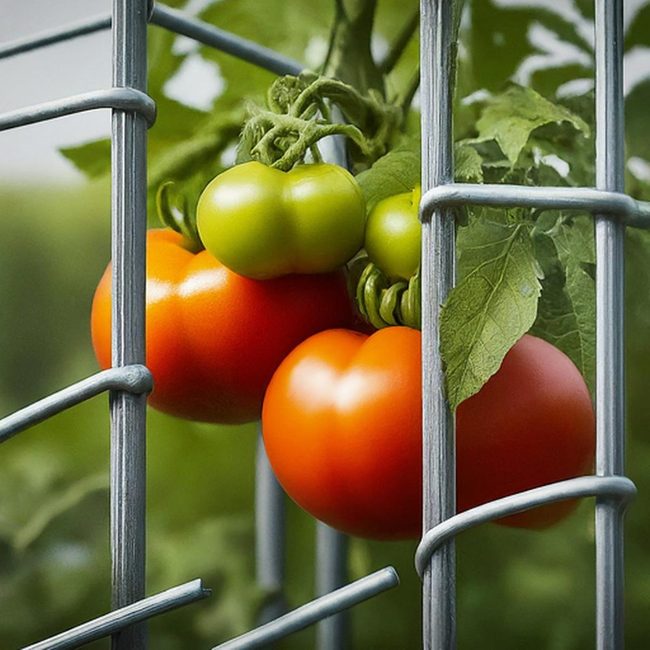
Concrete reinforcement wire offers a fantastic alternative to cattle panels when you want to build a tomato cage because it bends more easily and works well for different shapes.
Working with concrete reinforcement wire means less frustration during construction since it doesn't fight back like sturdier materials do
If you've struggled with rigid cage materials before, this option makes the whole project more manageable for anyone.
I like how you can customize the final size and shape to match your specific growing space or preference.
Once shaped and secured, your cage will support tomatoes just as well as any store-bought version while costing far less.
Oversized Wire Mesh Tomato Cages
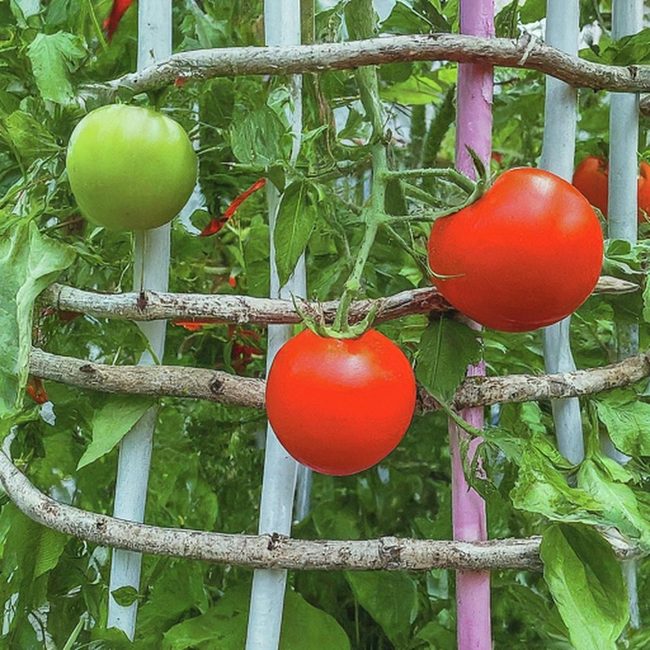
Wire mesh works well for building tomato cages that hold up better than standard options.
You can shape the mesh into a cage with bigger openings, which lets your tomato plants spread out and grow through more easily.
If you're managing a large garden with many tomato plants, concept saves you time when it comes to setting up cages around every one.
The larger squares in the mesh mean less fiddling and faster installation across your whole growing space.
Many gardeners find that homemade mesh cages last longer and handle the weight of heavy fruit better than flimsy store-bought versions.
Building your own cages from wire mesh gives you flexibility that prefabricated versions simply don't offer.
Copper Pipe Tomato Cage
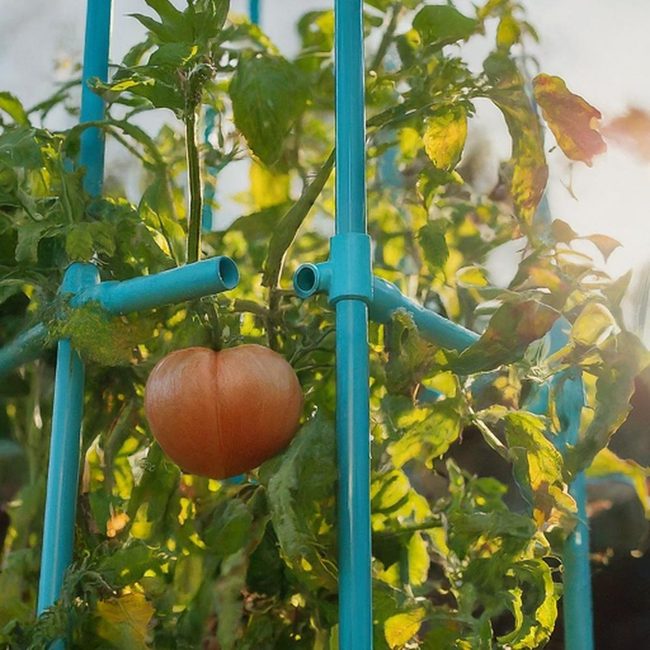
Copper pipes make an excellent choice for building a tomato cage, especially if you happen to have leftover pieces from a previous project lying around.
While copper costs more than PVC alternatives, it holds up remarkably well over time and brings a warm, attractive appearance to your garden space.
You can construct the entire cage structure from copper pipe, or you might opt for a hybrid approach where pipes form the frame and twine strings stretch across the top section to complete the cage design.
Either method gives you a sturdy support system that keeps your tomato plants upright as they grow.
Since copper develops a beautiful patina as it ages, your cage will only look better with eachpassing season.
This option works well if you want something that lasts for years without needing replacement.
Upside-Down Tomatoes In Hanging Cages
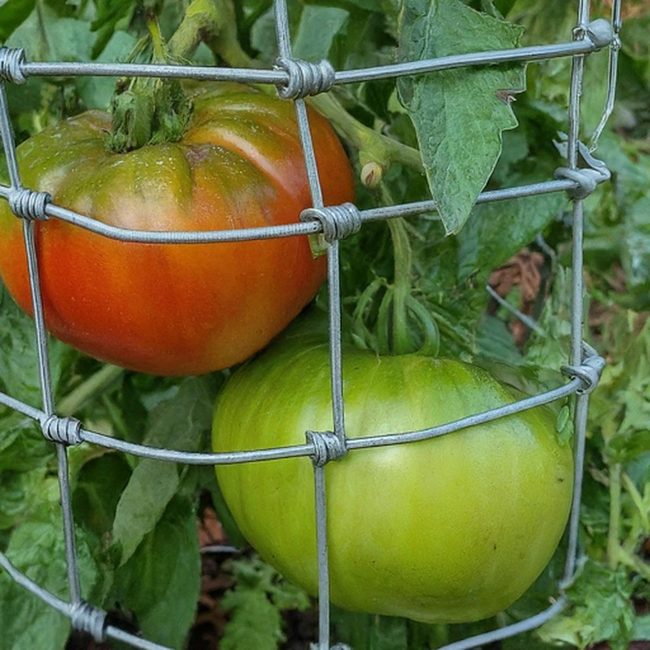
Hanging tomato plants upside down creates an eye-catching garden feature that maximizes limited yard space and keeps pests away from your fruit.
You may start by removing the top ring from a wire tomato cage, then tie twine to the upper edge so you can suspend it from a sturdy hook or tree branch.
Plant your tomato seedling first, before lifting the cage into position, and add a layer of mulch on top of the soil to help retain moisture as your plant grows.
This method works especially well if you have a small garden or patio where ground space is at a premium.
The setup lets you grow multiple plants vertically without taking up precious garden real estate.
Watering becomes easy since you can access the plant from below, and the tomato vines naturally cascade downward as they develop.
Reclaimed Nature-Inspired Timber Tomato Cage
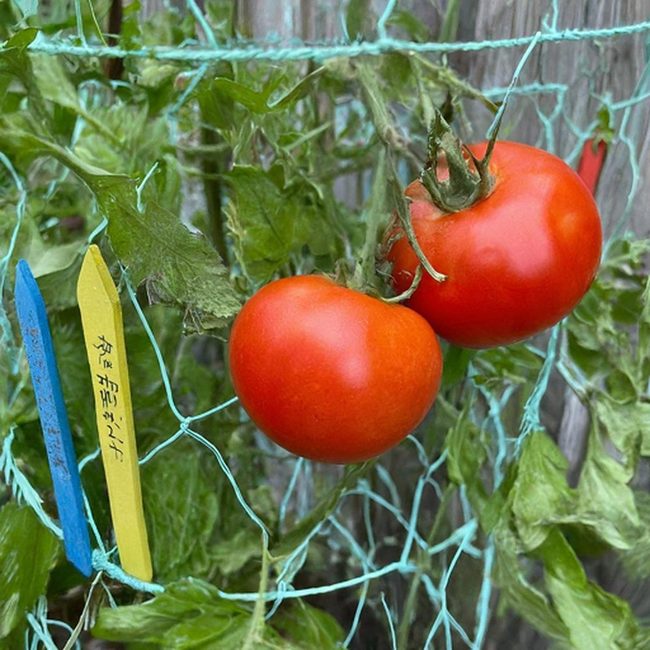
Building a tomato cage from reclaimed fence wood gives you something both functional and resourceful for your garden.
Old fence boards get cut into strips and fastened together with screws to form a sturdy structure that supports your plants without waste.
If you don't have leftover wood lying around, fresh lumber works just as well, and picking between 1x2s, 2x2s, or 2x4s lets you decide how robust you want the cage to be.
Thicker wood naturally holds up better over multiple seasons and handles heavier plants with ease.
This design is especially handy when you're working with limited space and need something compact for tomatoes.
Beyond tomatoes, the same cage supports cucumbers, peas, and other climbing plants that need vertical support.
Building one yourself costs much less than buying ready-made options from garden shops.
You end up with a durable structure that lasts for years and keeps materials out of the landfill.
Ava Jensen
Founder & Chief Creative Officer
Expertise
Holistic Interior Design Approach, Space Planning & Functional Layouts, Sustainable Design Practices, Digital Fabrication & Innovative Technologies, Residential & Commercial Project Management, Integration of Traditional and Modern Design Principles, Studio-Based Creative Problem Solving
Education
Westphal College of Media Arts & Design
Ava Jensen is the heart of kreativk.net. Based in Philadelphia, she combines classic and modern design methods to create spaces that are both beautiful and practical.
Trained at Westphal College of Media Arts & Design, Ava focuses on building sustainable homes and offices using smart, digital tools. She enjoys working with eco-friendly brands and loves sharing her knowledge with new designers.