
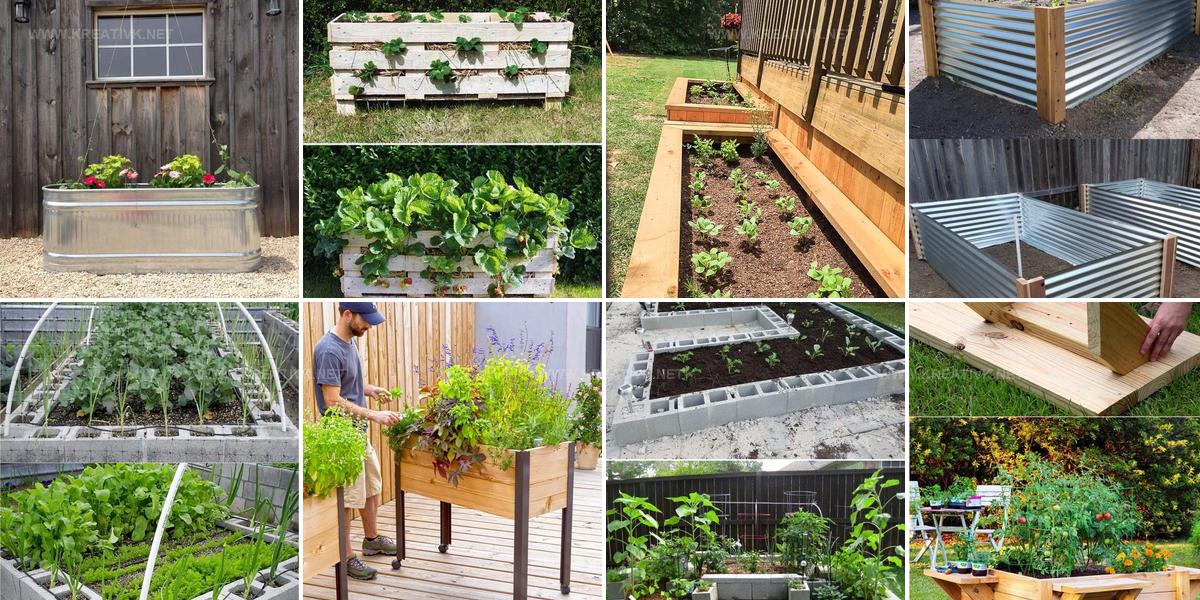
32 Creative DIY Raised Garden Bed Ideas for Fresh Vegetables
DIY raised garden bed ideas open up fresh options for growing vegetables, herbs, and flowers right where you live.
Gardening becomes simpler when soil stays contained and weeds remain manageable.
Building one of these structures costs less than buying premade versions from stores.
Different materials work well depending on what feels comfortable and affordable for each person.
Height, width, and design all matter when planning what works best in available space.
Plants thrive when roots have proper drainage and nutrients stay concentrated in one area.
Reading ahead gives you practical solutions that make outdoor gardening accessible and enjoyable.
Wooden Garden Bed Grows Vegetables
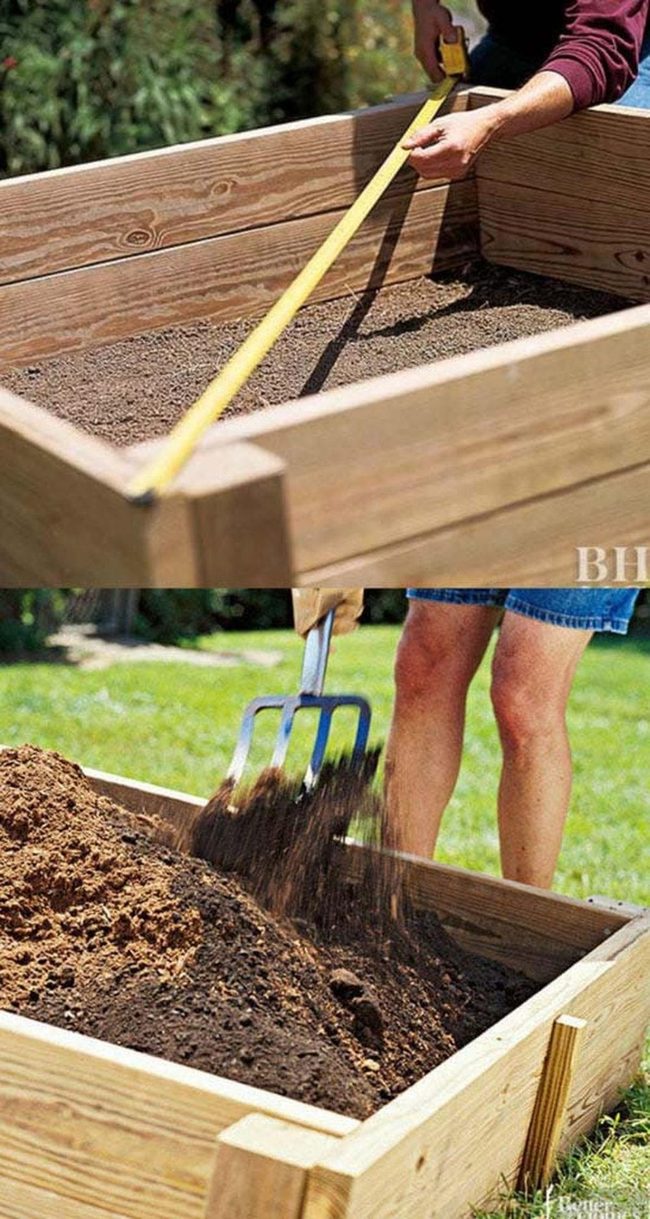
Raised garden bed transforms your backyard into a productive growing space that works beautifully even when the natural ground isn't suitable for planting, and building one is simpler than you might think.
You can construct a functional bed using just 26 boards paired with sturdy posts, giving your vegetables and plants room to flourish without struggling against poor soil conditions.
The project lets you get hands-on with gardening and experience the real satisfaction of watching plants thrive under your care.
You'll find that this setup removes common obstacles that frustrate gardeners with difficult ground, and it opens up new possibilities for what you can grow.
The straightforward construction means you don't need advanced skills or special equipment to get started.
Once your bed is ready, you can focus on nurturing healthy plants and enjoying the rewards of your work.
Many people discover that a raised garden bed becomes their favorite outdoor spot, offering both practical growing space and a place to unwind.
Stacked Cinder Planter Beds
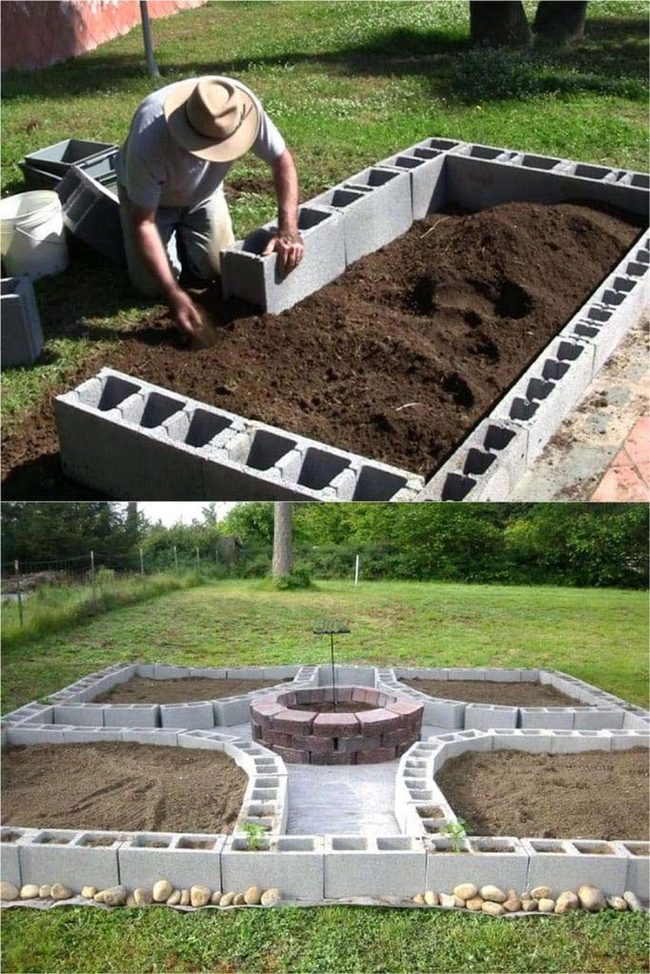
Cinder concrete blocks make a bold statement in any garden because you can stack them into striking shapes that immediately catch the eye and lift your plants off the ground.
Beyond their impressive appearance, these blocks deliver real strength and durability so your raised bed withstands seasons of use without falling apart.
What we love most is how you can get creative with the hollow sections and turn them into extra planters, which means you gain more growing space while keeping everything organized and beautiful.
The blocks themselves are affordable and easy to work with, so building your own bed becomes a straightforward weekend project rather than something complicated.
You end up with a functional garden that looks intentional and well-designed, all while using materials that do double duty as both structure and planting vessels.
Stacked Herb Garden Levels
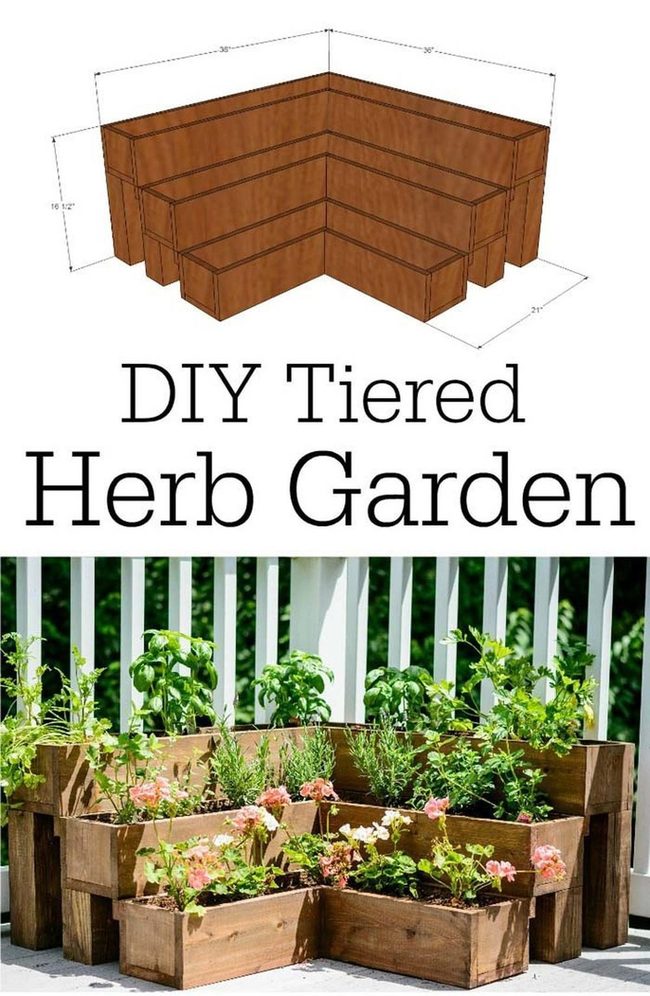
Tiered raised bed planters stack upward in a ladder-like structure that immediately catches the eye and transforms how your garden looks, and they serve a smart purpose too by letting each plant get full sun without fighting for light and space.
When you arrange herbs like lavender or basil on different levels, these plants grow stronger and healthier because they're not shadowed by taller neighbors.
Beyond the appearance boost, aromatic herbs naturally repel insects and fill your outdoor area with pleasant scents, so you get both beauty and practical benefits from the same setup.
The stacked design makes efficient use of limited garden space and means you can grow more varieties in a smaller footprint.
I've seen how these planters work well even in tight yards or small patios where spreading out horizontally isn't an option.
Building or buying tiered planters gives your garden depth and dimension while making it easier to tend to your plants since everything sits at a more comfortable height.
Cinder Block Vegetable Gardens
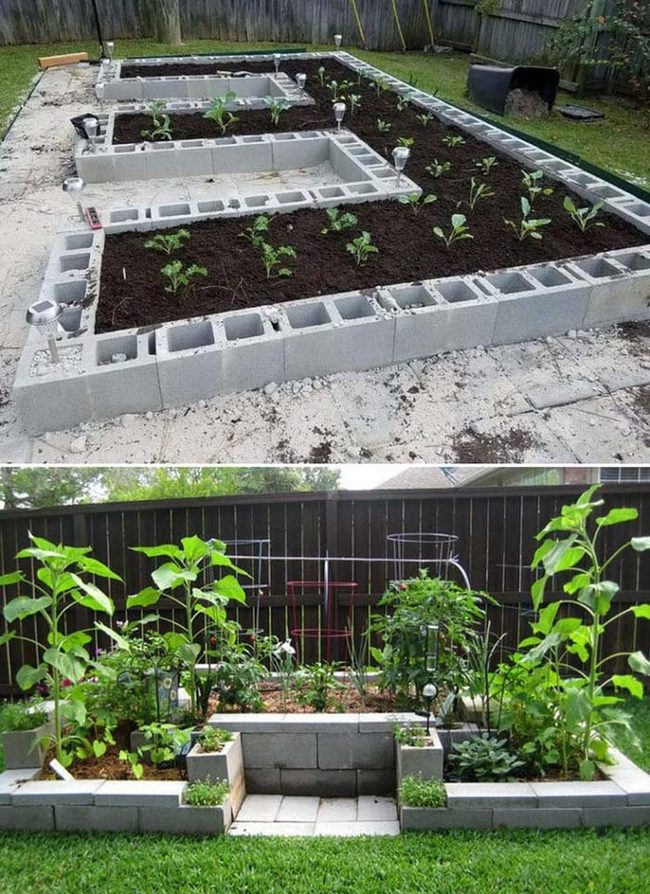
Stacked cinder blocks make raised garden beds that stand out as bold architectural features in your backyard, and they work especially well when you want to grow vegetables without sacrificing style.
You can arrange them into different shapes and heights to suit your space, giving each plant its own dedicated section while keeping the look fresh and interesting.
Beyond just looking good, these blocks help you use your yard more efficiently and make gardening easier since you won't have to bend down as far to tend your plants.
The natural texture of the blocks adds an industrial edge that actually complements most outdoor settings, whether your yard leans casual or more refined.
Building with cinder blocks also means you can expand or rearrange your garden whenever you feel like it, so your design stays flexible as your gardening plans grow and change.
Vertical Metal Gardens With Climbing Vegetables
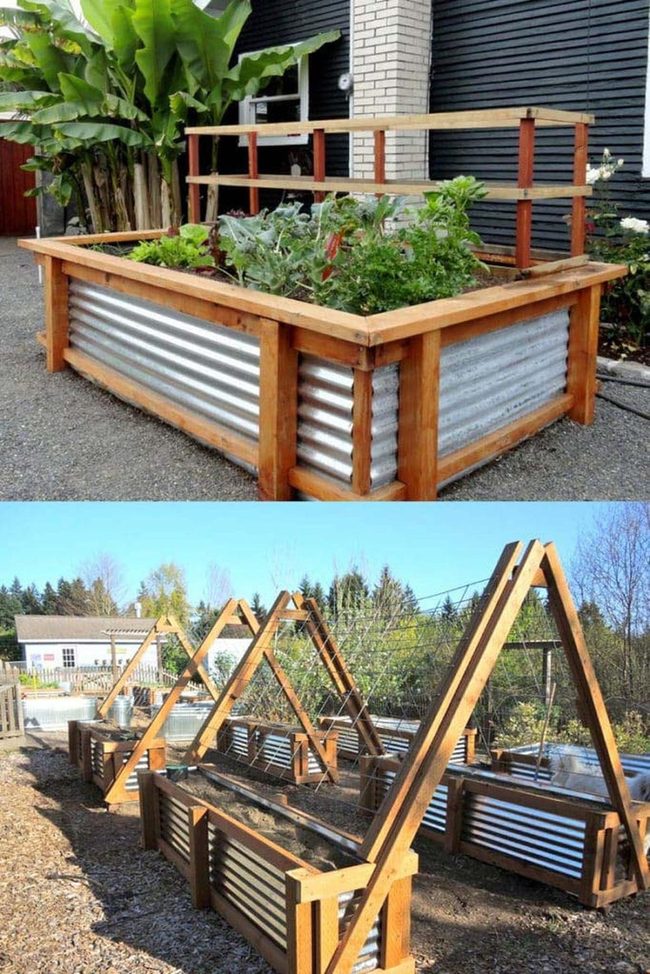
Climbing plants like cucumbers and squashes scramble up trellises attached to metal raised beds, creating dramatic vertical gardens that turn your outdoor space into something special while you save precious ground room.
Metal frames paired with wooden boards offer an affordable way to build these beds, and we love how budget-friendly materials let you express your gardening style without breaking the bank.
The whole setup keeps your plants healthy and organized while giving you a satisfying project to work on over a weekend.
You can mix and match different materials to match your yard's look, whether you prefer sleek corrugated metal or rustic wood tones.
Watching your vegetables grow upward rather than spreading across the ground keeps maintenance easier and makes harvesting more convenient.
This kind of garden design serves double duty - it looks great and produces real food for your kitchen.
Raised Wood Planter Box
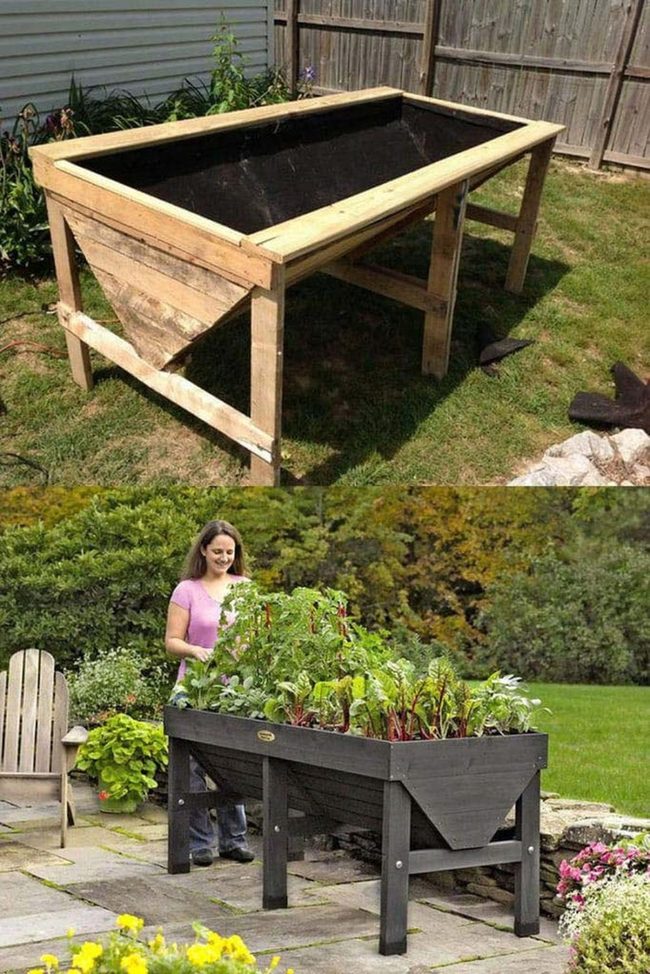
Waist-high planter built from reclaimed wood lets you garden without constantly bending down, and the V-shaped design does double duty by looking great while giving roots plenty of room to spread out and flourish.Building this project yourself means you get a beautiful, practical piece that works perfectly in your backyard.
You'll notice how much easier tending your plants becomes when everything sits at a comfortable height.
The wood material adds natural warmth to your outdoor space while serving as a functional home for your garden.
Cinder Block Garden Beds
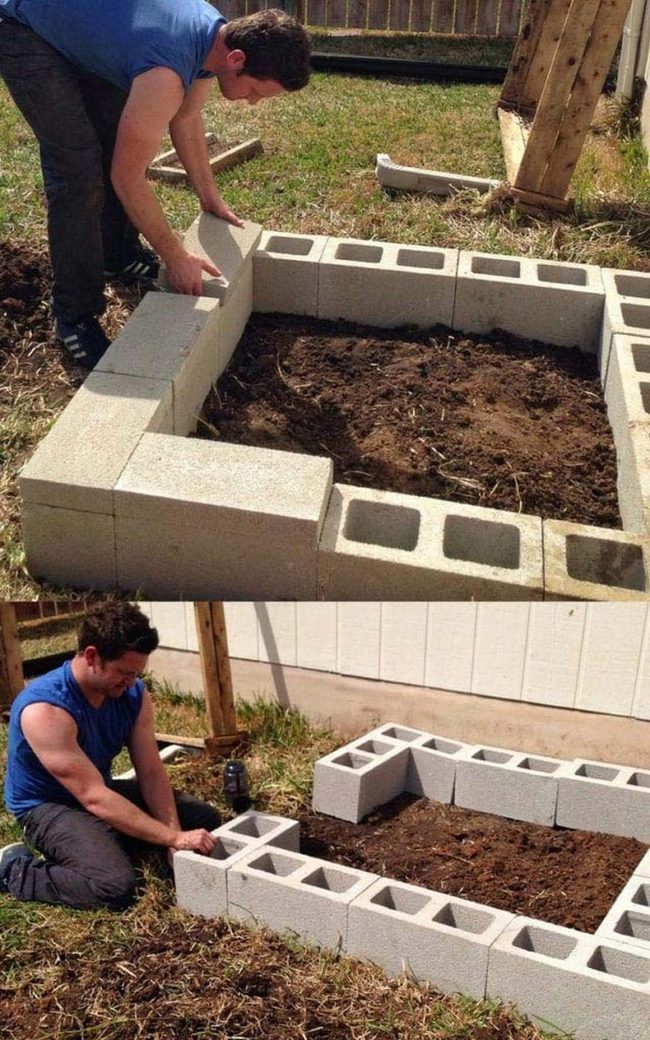
Cinder blocks make a bold statement in any garden space and give you complete control over how your beds look and function in your yard.
You can reshape and resize them to fit exactly where you want them, which means no two gardens have to look the same.
This straightforward building method works for growing anything from flowers to vegetables, and the sturdy structure keeps everything organized and contained.
The practical nature of cinder blocks means they're durable enough to last through seasons of gardening, and they improve your garden's overall look at the same time.
Whether you're working with a small corner or a large backyard, this approach fits right in and does what you need it to do.
Wooden Raised Beds Sunlight
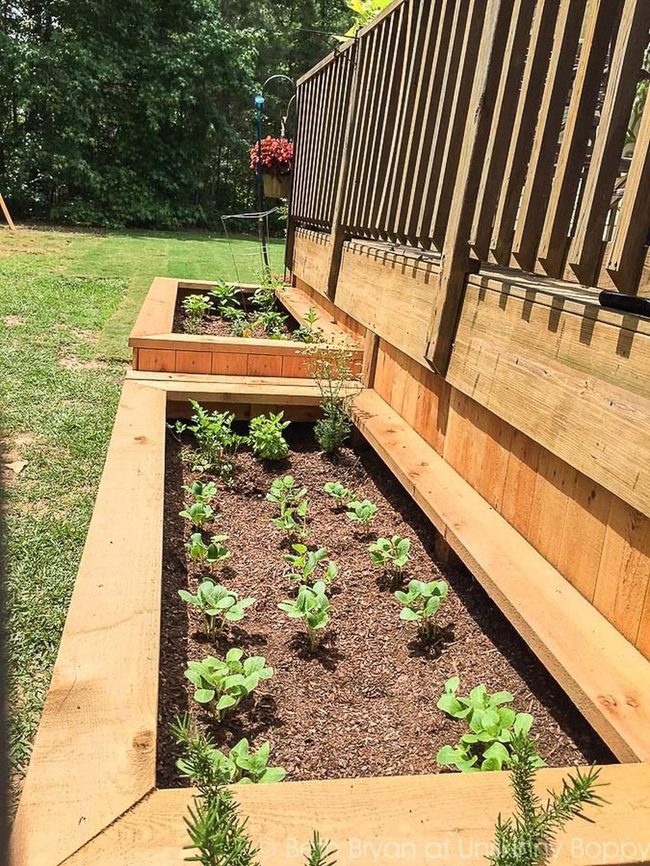
Raised garden beds built from treated lumber stand out as one of the most striking additions to any backyard, offering both durability and visual appeal that transform your outdoor area.
Before you start building, selecting the right plants matters greatly because your choice of flowers, vegetables, or herbs will determine how large your beds should be and where they need to sit in your yard to get enough sunlight.
We often think of these projects as simple gardening tasks, but they're really about designing a space that shows who you are while supporting the plants and wildlife around you.
The size and placement of your beds should work with the light patterns in your yard throughout the day.
Herbs and vegetables tend to need more direct sun than some flowering plants, so knowing what you want to grow helps you plan better.
When you build these beds, you're doing more than just preparing soil and creating rows.
You're developing an outdoor space that reflects your style and connects you with nature in a meaningful way.
Raised Beds With Integrated Tool Storage
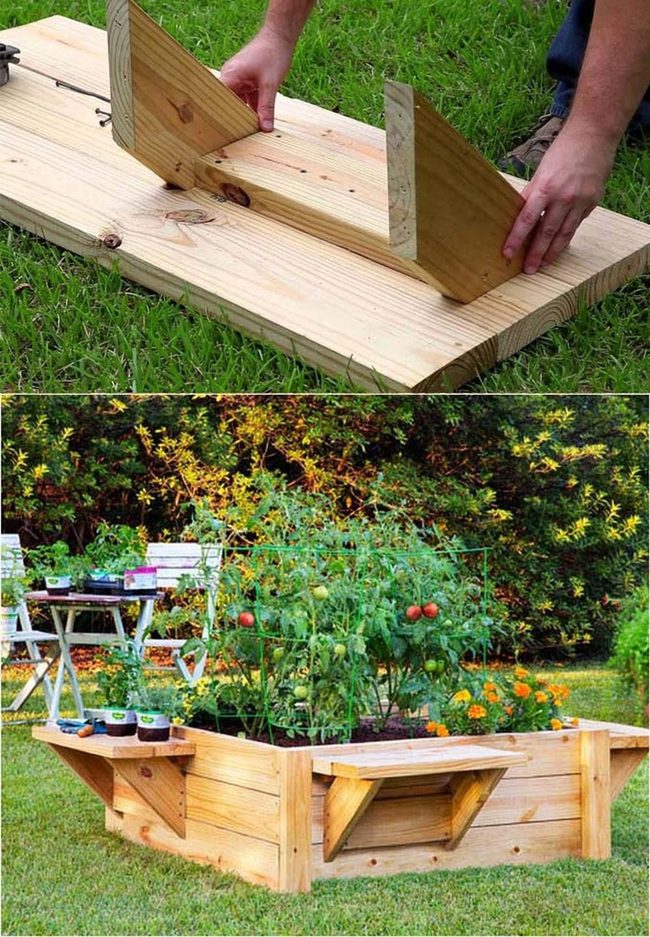
Raised beds with built-in shelves transform how you garden by putting all your tools and supplies within arm's reach.
You don't have to walk back and forth searching for what you need when everything sits right beside your plants.
The shelves give you spots for your watering can, gloves, seeds, and even a cold drink while you work.
Beyond the storage, these beds offer plenty of room to grow vegetables and flowers without bending down as much.
We find that this setup makes the whole gardening experience feel less like a chore and more like something you actually want to do.
Whether you're a beginner or someone who gardens often, having your essentials nearby means you spend more time planting and less time running around.
This combination of function and growing space brings real ease to nurturing your outdoor space.
Mobile Wood Planters Industrial Style
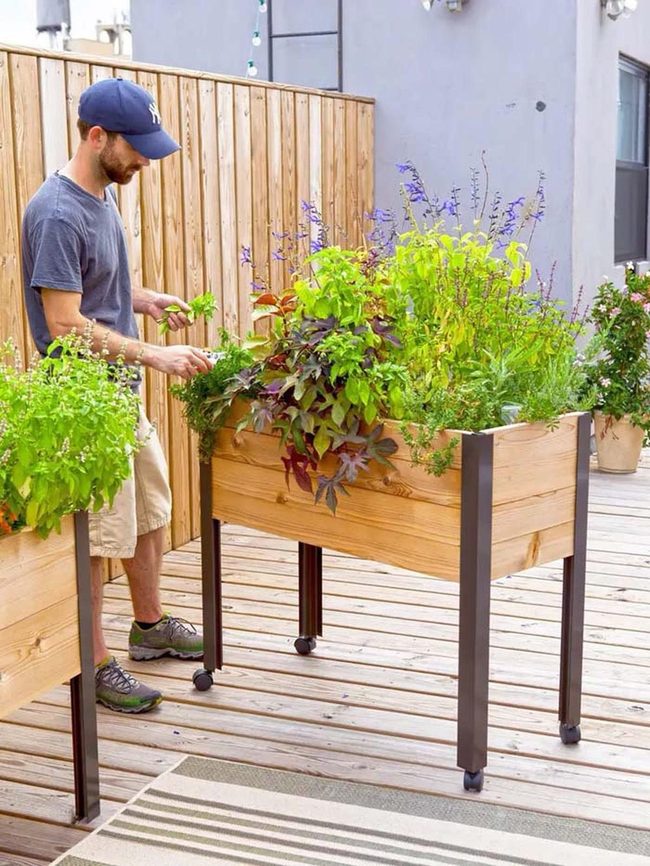
Portable raised wood garden planters on wheels let you move them around whenever you need to, so your plants always get the right amount of sun or shade.You can shift these planters to different spots in your yard without much effort, and the design works well in almost any outdoor setting.
Since castors make repositioning simple, you get flexibility that regular fixed planters just can't offer.
The blend of natural wood and metal creates visual interest and looks great whether your space is modern or more traditional.
Moving these around based on your plants' needs means better growth and healthier vegetables or flowers throughout the season.
Stacked Wood Garden Levels
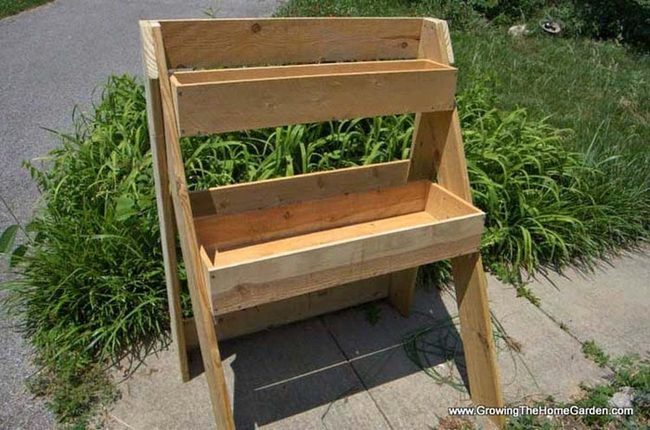
Tiered planter boxes stand out as a space-saving solution that brings dimension to your garden while remaining practical and easy to use.
You can fill these stacked sections with soil directly or slip your favorite pots inside for flexibility based on what you're growing.
The ladder-like structure naturally suits cascading flowers and trailing plants that spill over the edges and brighten up any yard corner
Whether you go with wood, metal, or plastic construction, they work well in different styles and settings.
Installing one takes just basic assembly, and once it's set up, you'll enjoy watching your plants thrive at varying heights.
Weathered Brick, Living Herbs
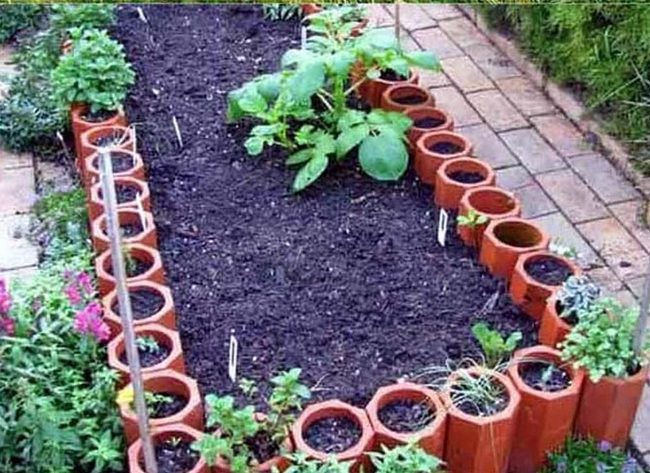
Reclaimed brick pavers scattered across your garden create striking visual interest with their weathered surfaces and earthy tones, and you can fill their hollow sections with bright flowers and aromatic herbs to add color and dimension to the landscape.
The textured appearance of aged brick contrasts beautifully with green plants, drawing the eye across your outdoor space in natural patterns.
Beyond looks, these pavers serve real purposes - they guide foot traffic, define garden beds, and make practical pathways between planted areas.
Herbs tucked into the cavities release their scent when brushed against, which rewards you with sensory benefits as you move through the space.
Your outdoor area gains character and depth when you mix functional elements with plantings in a relaxed, layered approach.
Cinder Block Raised Garden Beds
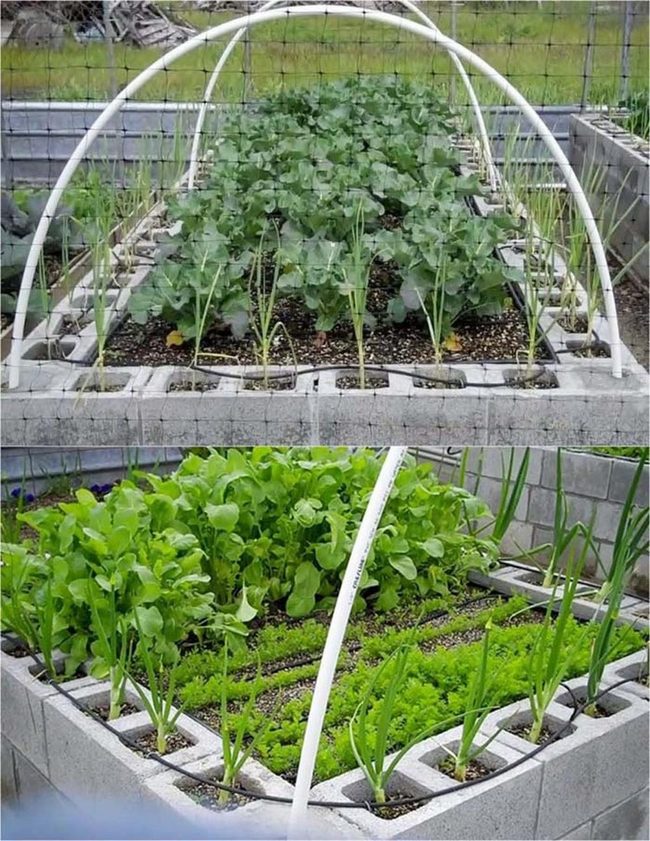
Cinder blocks stacked into a garden bed offer a straightforward solution that doubles as both structure and planting system, since those hollow spaces function as separate spots for each plant while also letting water drain away and air circulate freely around the roots.Line the inside with clear plastic sheeting and your seedlings get natural protection from unexpected cold snaps and heavy rain while still soaking up all the sun they want.
The blocks themselves are budget-friendly and last for years without falling apart or needing replacement.
You'll find that arranging them takes just an hour or two, and then you have a raised bed that keeps your garden organized and easy to access.
Because everything sits elevated, bending over to weed or water becomes less of a strain on your back.
Galvanized Metal Garden Beds
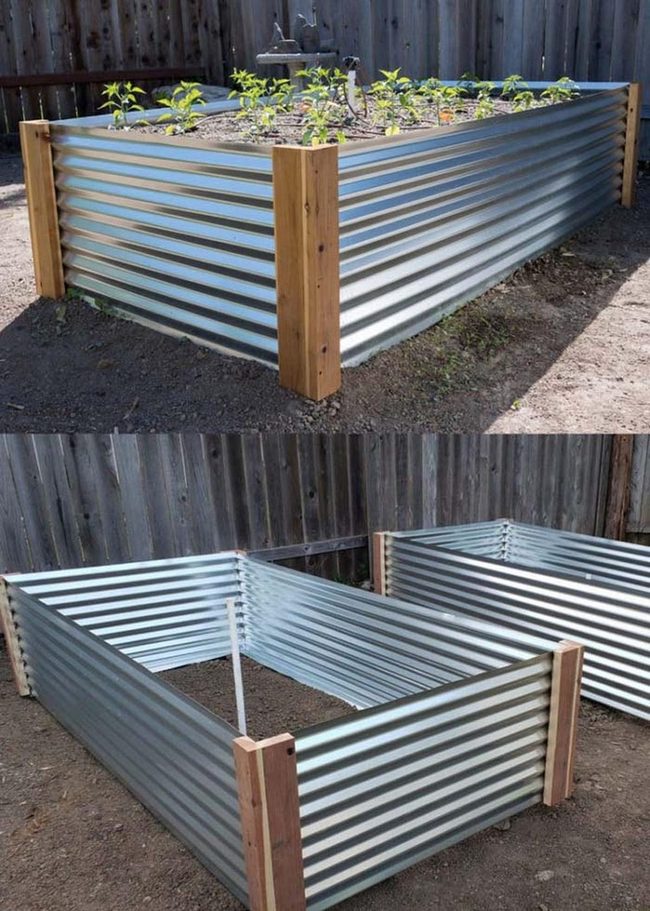
Shiny galvanized metal raised beds stand out in any garden space and offer solid durability that lasts for years without falling apart.
You get the benefit of easy assembly plus protection from rough edges when you add wooden slats along the sides.
These slats do double duty because they guard your skin from sharp metal and boost that farmhouse look you might be going for.
The whole setup feels less industrial and more like a real garden retreat
Metal holds up well through seasons of weather and use, so you won't need to replace them anytime soon.
Straw Bale Garden Beds
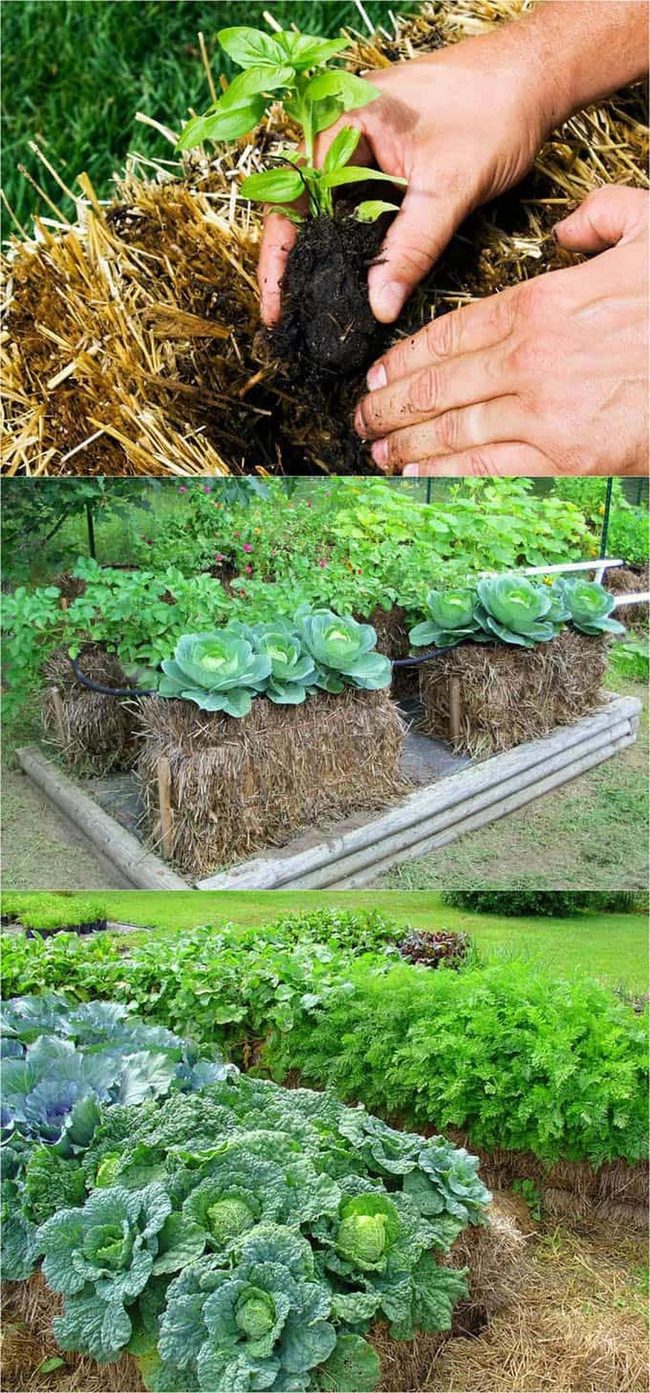
Straw bales transform your garden into something functional and charming all at once, acting as natural compost that feeds your soil while creating perfect homes for tomatoes, herbs, and other plants you want to grow.Beyond the practical benefits, they bring a warm, rustic character to any outdoor area that you design.
The setup is straightforward too - just stack them where you want and start planting right into the bales themselves.
If you're looking for a way to garden that feels both easier and more connected to nature, this approach delivers on both fronts and makes your whole space feel more welcoming.
Uniform Wood Garden Beds
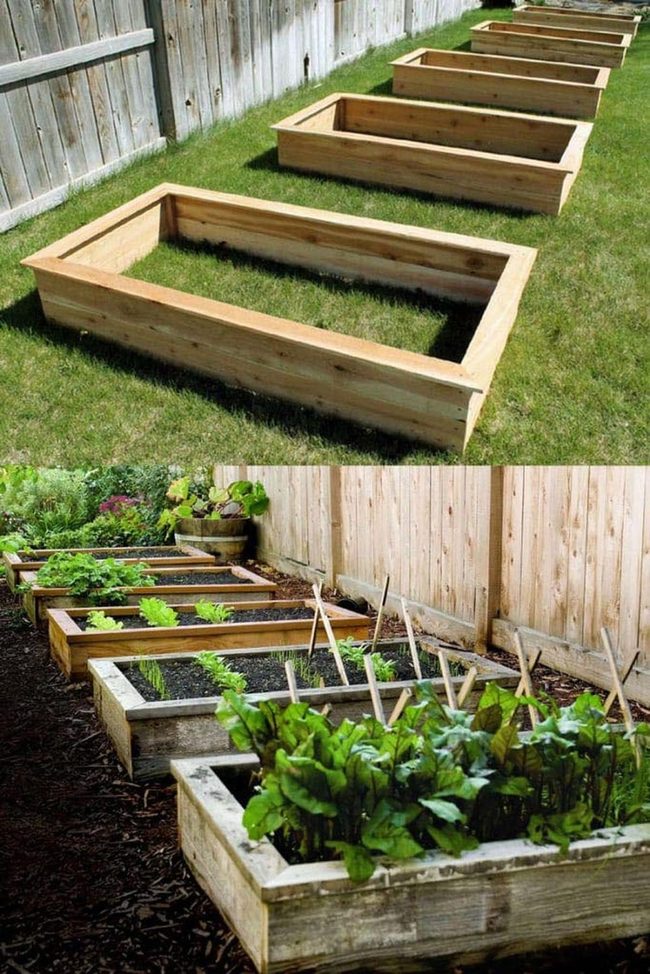
Organized rows of matching raised garden beds make your backyard feel intentionally designed and give you a structured space to grow vegetables or flowers while looking neat and put-together.
The uniform sizing of these beds catches attention right away and provides visual rhythm across your outdoor area.
You can personalize the look by painting the wood in bold colors that pop against the greenery, or keep things simple with natural untreated lumber that weathers beautifully over time.
Either way, this straightforward approach helps everything work together without requiring fancy tricks or complicated planning.
The real benefit is that you get both function and style in one solution, making your garden space feel both practical and pleasant to spend time in.
Galvanized Trough Garden Bed
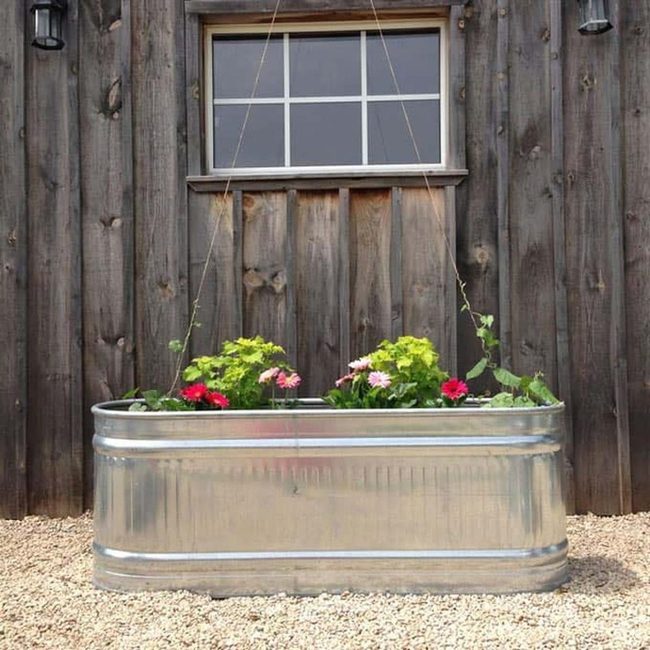
Metal troughs make excellent raised garden beds and can completely refresh how your outdoor area looks and feels.
When you repurpose a galvanized container this way, you get both character and function at once, giving you a dedicated space where flowers and plants thrive beautifully.
These containers work well on porches or near windowsills, so even if you have limited space, you can still grow and enjoy fresh blooms right where you spend time relaxing or moving through your home.
Mobile Cedar Planter With Storage
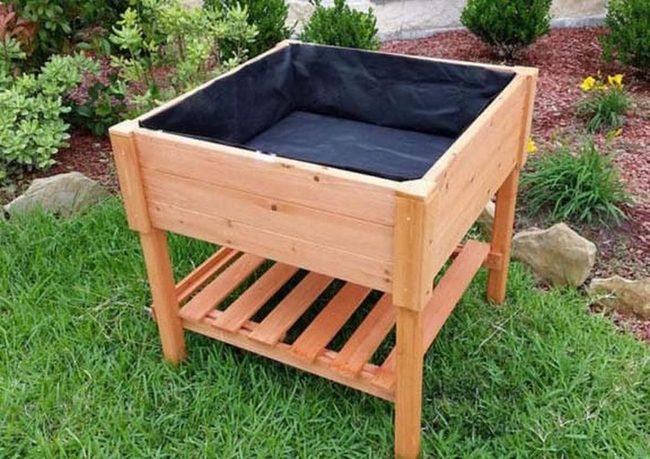
Raised planter box built from cedar wood offers both strength and mobility, making it simple to reposition whenever you want to refresh your garden layout.
You can paint it in a bold shade or apply a rich stain that matches your style and complements your outdoor area.
The addition of a convenient shelf gives you extra space to store gardening tools or display potted plants right where you need them.
Lightweight castors underneath mean you won't struggle to move it around, even when the box is full of soil.
This combination of function and appearance means your garden gains a practical workspace that also looks great and reflects who you are.
Wooden Raised Garden Beds
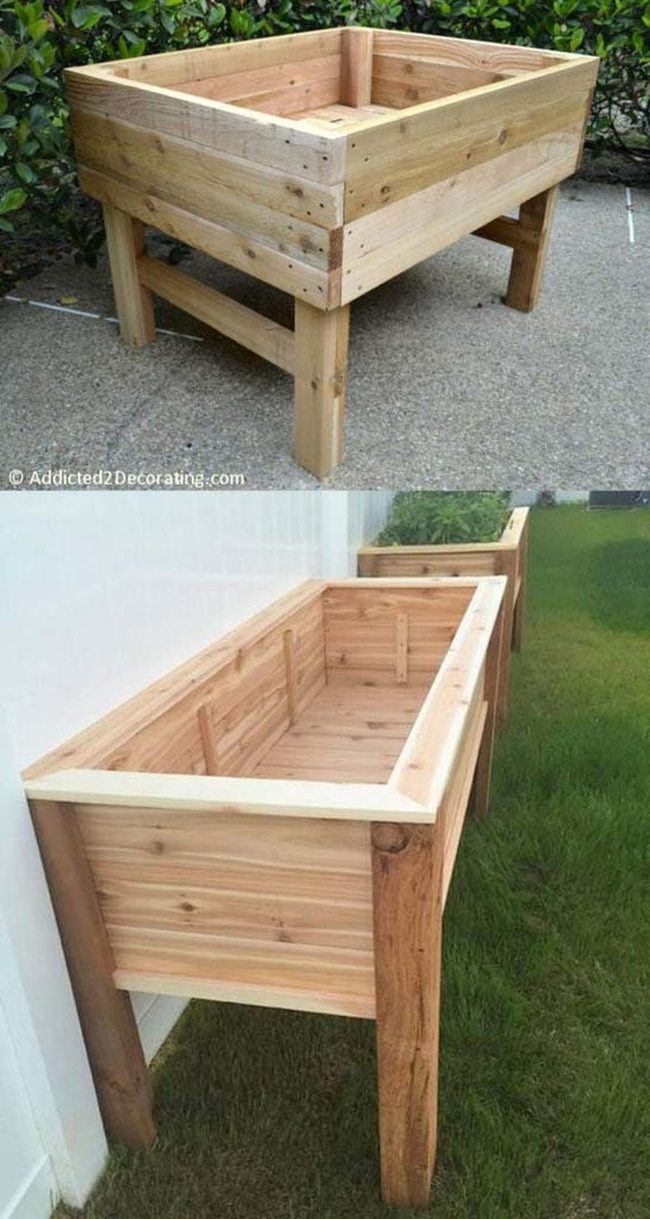
Wood raised garden boxes stand out as one of the best ways to upgrade your outdoor space because they lift plants up where you can see them clearly and tend to them without bending down so much.
Building a row of these boxes side by side forms a neat, organized appearance that makes your garden feel more polished and put-together.
You get the practical benefit of easier access to your plants while also gaining a natural wooden frame that looks good against your lawn or patio.
The uniform height and structure of multiple boxes lined up creates a sense of order that most people find pleasing to look at.
Beyond the way they appear, these raised beds help your soil warm up faster in spring, offer better drainage for your plants, and let you control exactly what soil mixture you use.
Whether you're growing vegetables, herbs, or flowers, the boxes contain everything neatly and keep you from having to reach down to ground level every time you need to water or pull weeds.
Salvaged Wood Garden Beds
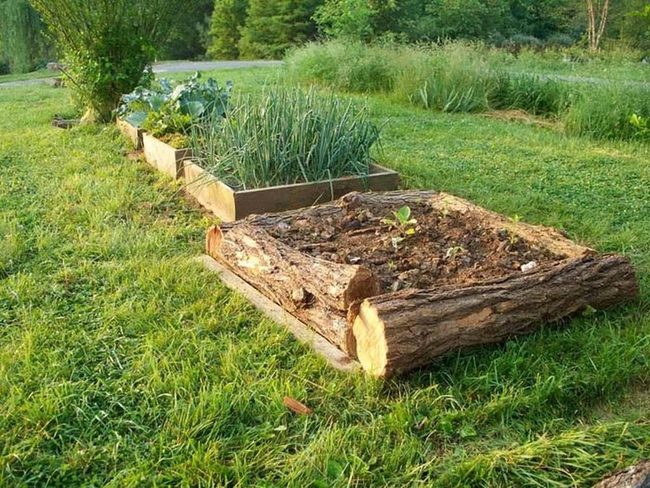
Building a raised garden bed from materials you already have around your home or can find locally makes an instant statement in your yard, and repurposed wood, concrete blocks, or vintage drawers work wonderfully for this project.
Gathering these salvaged pieces lets you design something that reflects your personal style while keeping costs down.
Beyond the money you save, there's real satisfaction in reusing items that might otherwise end up in a landfill.
Plants thrive in these handmade beds, and the irregular textures and weathered finishes add genuine character that store-bought options simply can't match.
You get to combine sustainability with gardening, which means you're helping the environment while growing your vegetables or flowers.
I love how this approach turns something functional into a meaningful part of your outdoor design.
Concrete Corner Garden Beds
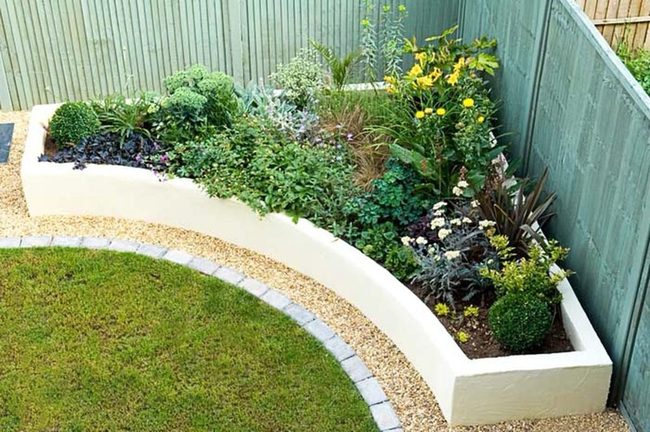
Custom corner cement raised beds made from sturdy breeze blocks and cement give your outdoor space a bold, architectural edge while transforming neglected corners into thriving garden zones.
You get a durable structure that looks sharp and clean, fitting perfectly into those tricky spots where regular gardens struggle.
When you fill these beds with vibrant plants, they burst into life and completely change how your yard feels.
The strong foundation means your plants thrive, and the neat, structured appearance brings real polish to even the simplest outdoor areas.
I think many people overlook their corners until they see how these raised beds can turn wasted space into something you genuinely enjoy spending time around.
The combination of function and good looks makes this one of those upgrades that makes you wonder why you didn't do it sooner.
Wooden Raised Bed With Pest Barrier
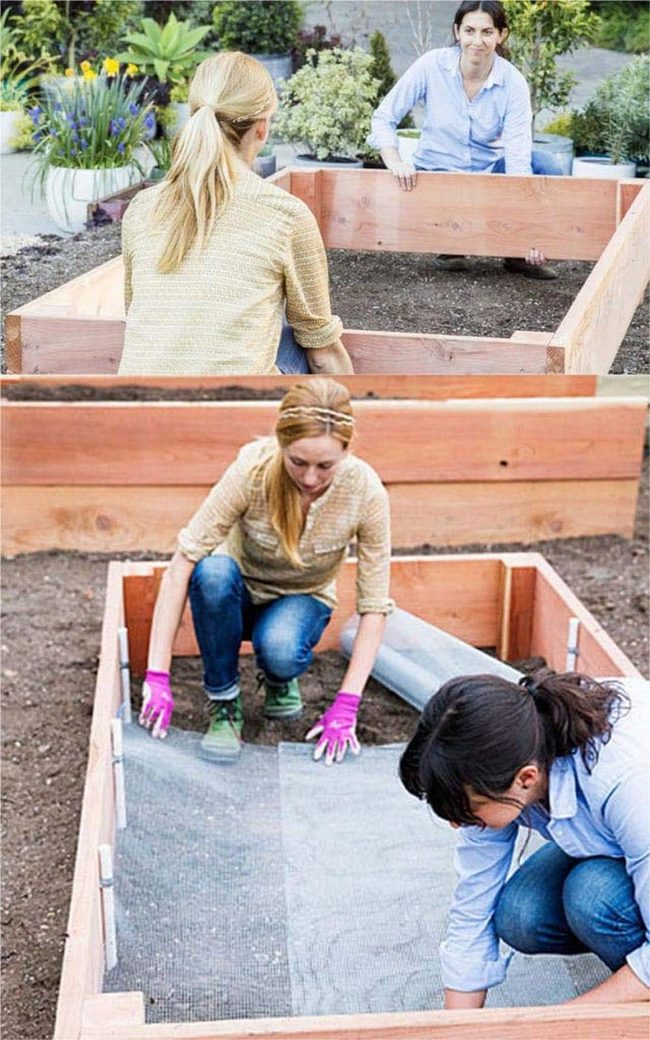
Building a raised garden bed for growing your own vegetables is satisfying work that pays off in fresh produce right from your yard, and this particular design makes starting out straightforward and manageable.
Heavy cloth layered into the bottom of the bed stops moles and gophers from tunneling up and damaging your plants, so you won't have to battle unwanted critters while tending your garden.
Wood that resists rot keeps the structure standing strong for years to come, meaning you can plant season after season without worrying about the bed falling apart.
The combination of these features - durable materials and pest protection - means you spend less time dealing with problems and more time watching your vegetables thrive and grow.
Quick Diy Wood Garden Bed
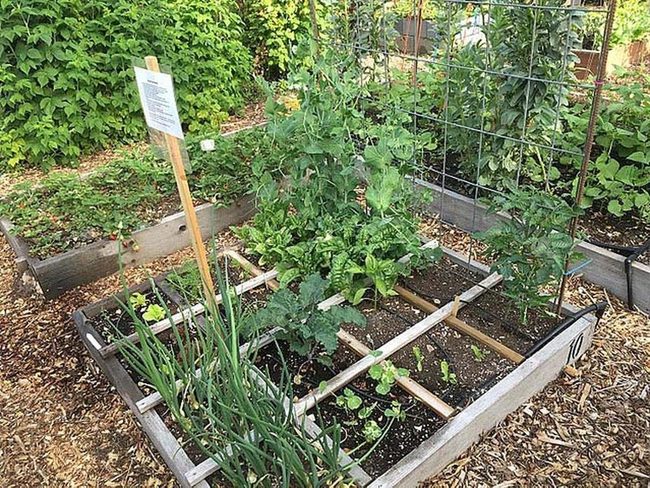
Raised garden bed made from untreated wood and sturdy screws takes just thirty minutes to put together and gives you an affordable way to grow plants without breaking the bank.
You can fill it with quality soil and start planting right away, even if your yard has poor ground conditions that would normally make gardening difficult.
The simple setup means no complicated assembly or expensive materials get in your way, so you can focus on what matters most - watching your vegetables and flowers grow strong and healthy.
Strawberry Pallet Bed Garden
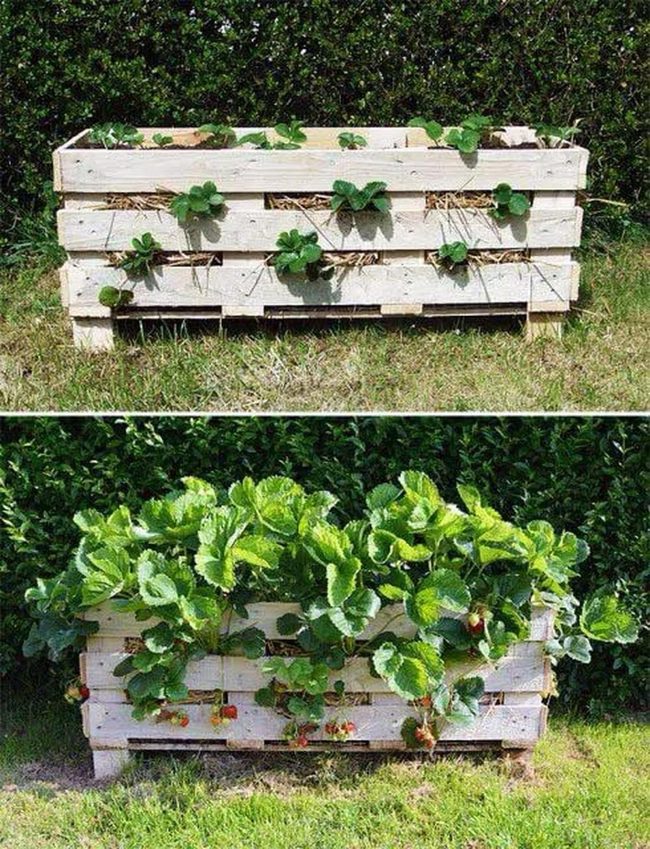
Growing strawberries rewards you with fresh fruit when you give each plant room to spread out and thrive.
Raised bed gardens do more than make bending and weeding comfortable for your back - they also bring natural, rustic appeal to your outdoor space.
You can build a striking planter box from just one pallet and basic tools, and it lifts both your strawberry plants and your yard's overall look right away.
Elevated Garden Beds Diy
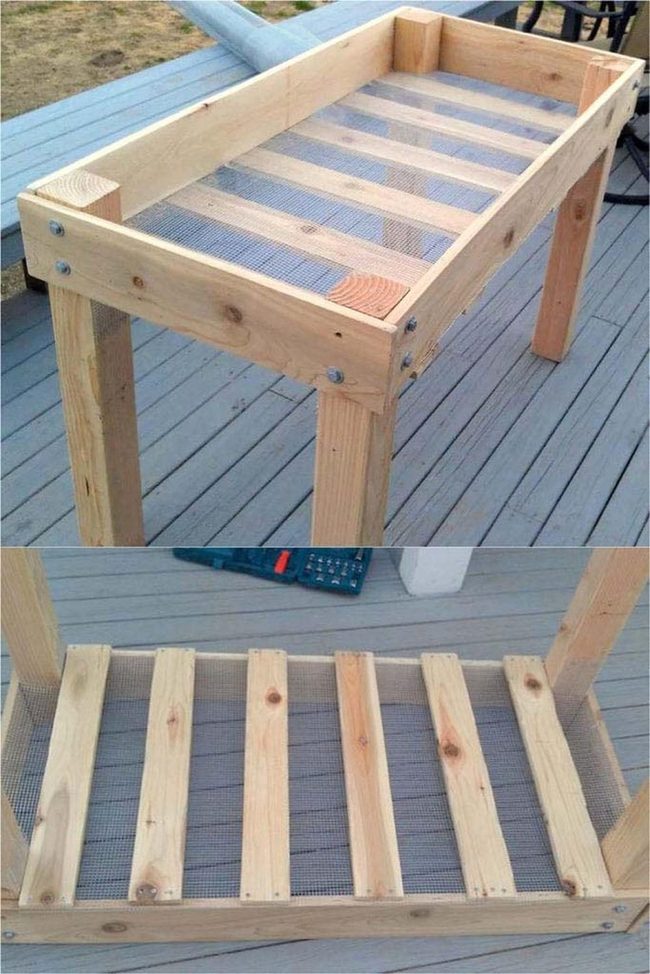
Raised garden planters sit at eye level and transform any patio into a burst of color and greenery that stops you in your tracks.
Building one yourself means you control how tall and deep it goes, so your back stays comfortable while you dig in the soil and enjoy the work.The best part is you can personalize it to match your outdoor space and show off your own style.
Since you're making it from scratch, the whole project becomes something that truly belongs to you and your home.
Stacked Wood Planter Tiers
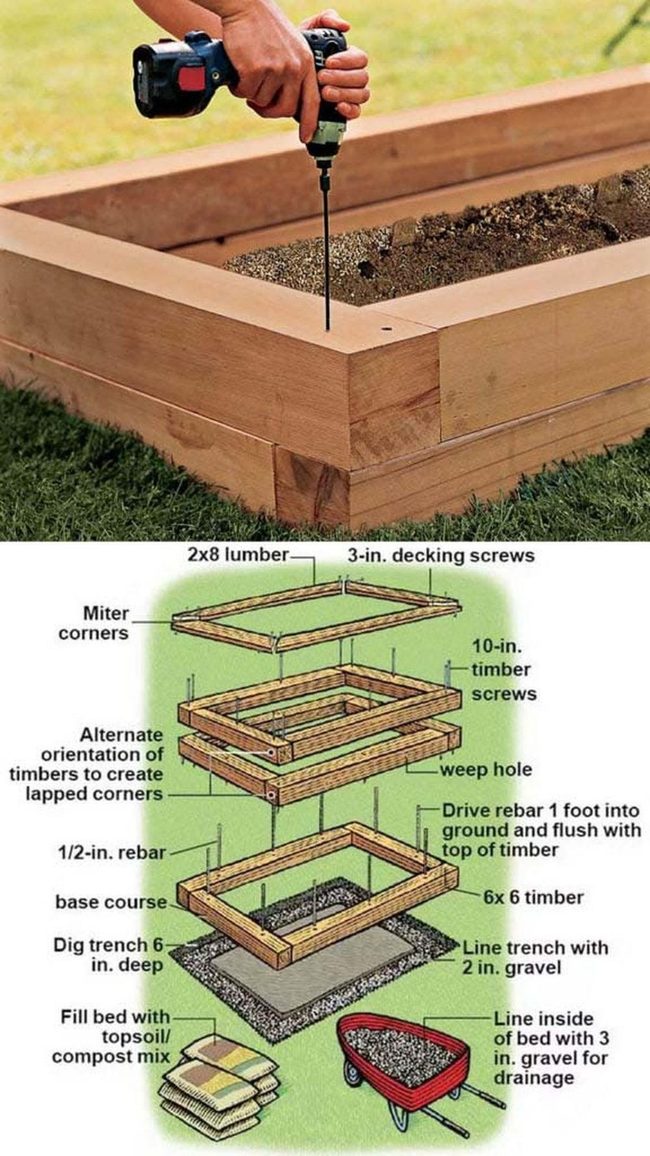
Raised timber garden beds make an immediate impression with their bold, layered appearance that seems to emerge straight from the ground.
The three-tiered wooden structure gives your plants substantial depth to establish healthy root systems and grow vigorously.
Colorful Fabric Garden Lineup
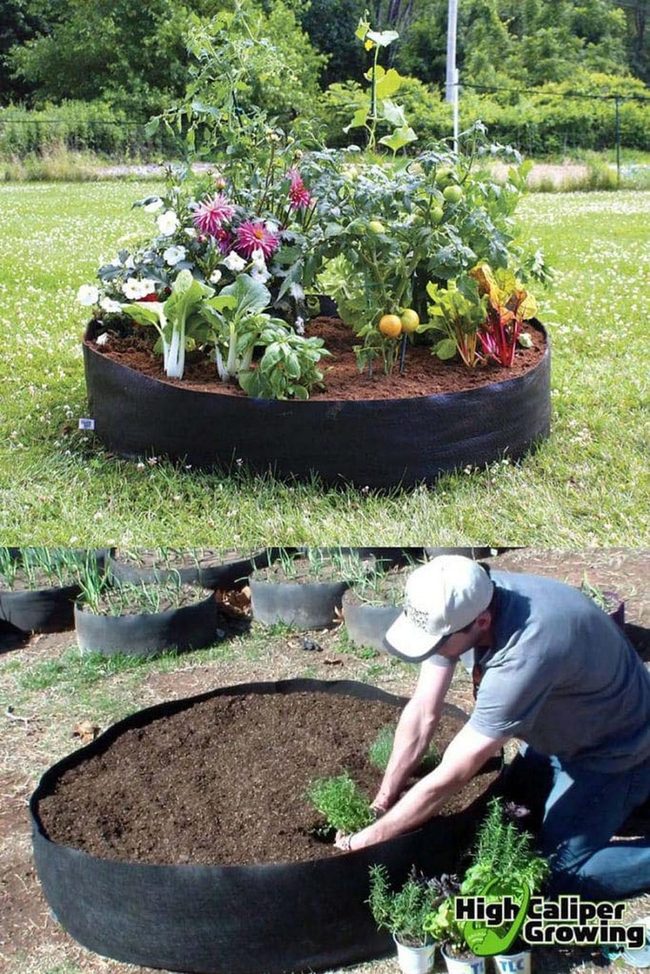
Fabric planters create an eye-catching display when lined up together, and they add real character to your outdoor space with their fresh, colorful presence.
You can find these eco-friendly containers in many different sizes, so customizing your garden to fit your available space becomes simple and fun.
The blend of sustainability and style makes them a smart choice for anyone looking to garden responsibly without sacrificing how things look.
Whether you're working with a small patio or a sprawling yard, fabric planters adapt to what you need.The flexibility of these containers means your garden design can reflect your personal taste.
Choosing fabric planters is a practical way to grow your plants while keeping your outdoor area looking fresh and intentional.
Stacked Blooms Triple Tier
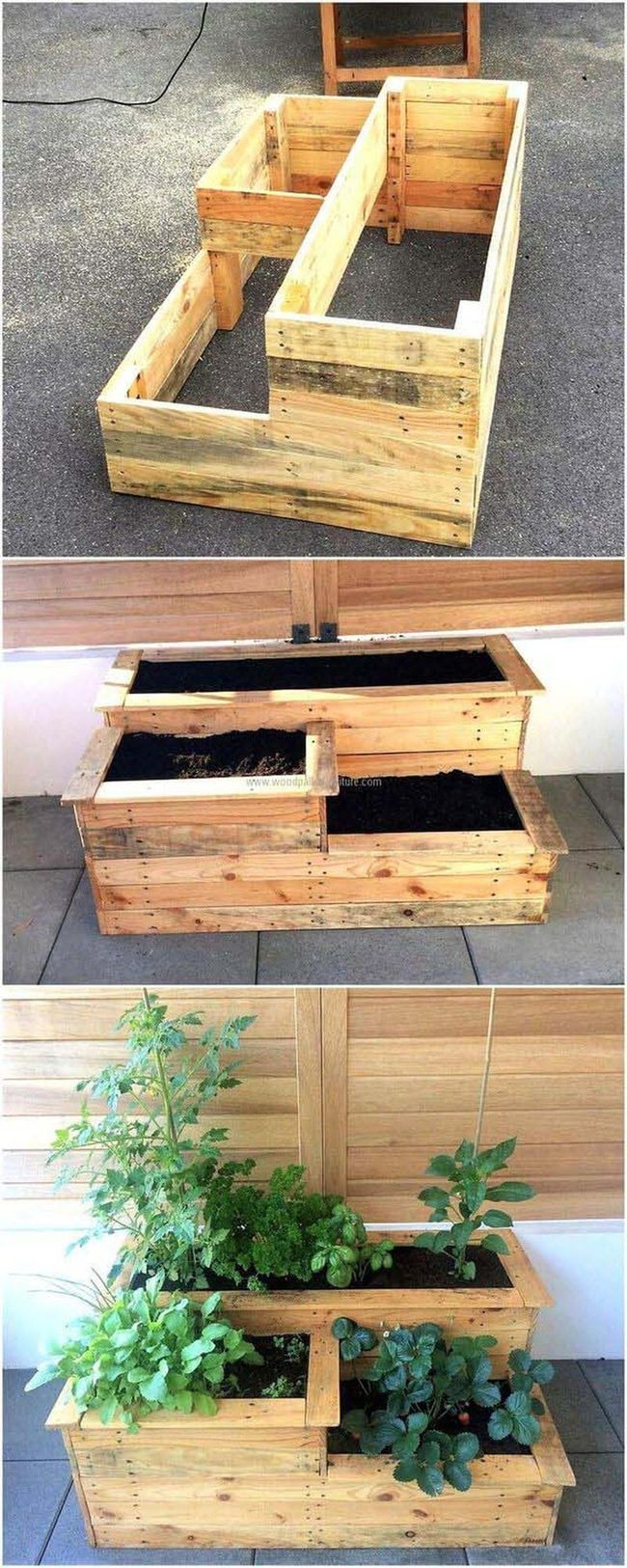
Triple tier garden bed makes your outdoor space look striking with its stacked levels that seem to overflow with colorful blooms and fruit plants all at once.
You gain practical benefits too since each raised section gives your plants the soil depth they need to thrive and spread their roots.
The layered structure lets you mix different varieties together, so strawberries can nestle beside flowering plants for a lush, full appearance.
Building this type of bed keeps maintenance easier because you won't have to bend down as far to tend to your plants.The tiered effect naturally draws the eye upward and makes even a simple garden feel more interesting and put together.
Setting one up gives you more planting room without spreading out sideways, which means more flowers and produce in the same footprint.
Weathered Stone Vegetable Beds
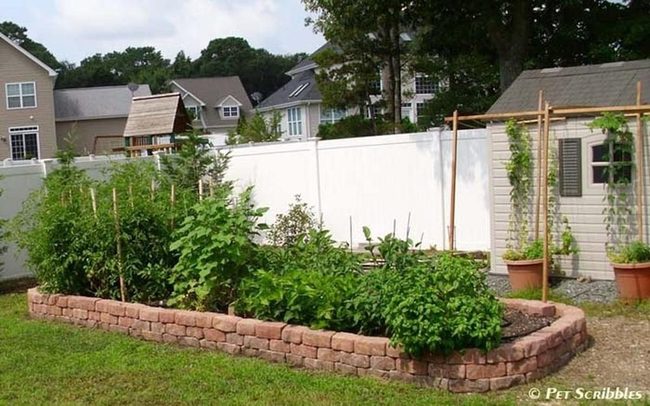
Old cobblestones stacked into raised garden beds bring that weathered, rustic character to your outdoor area while supporting sustainable practices.
The sturdy stones serve double duty by forming a solid wall that stops weeds from creeping into your growing space and gives your vegetables a contained, nutrient-rich environment.
You get to watch your plants thrive in this distinctive setup, and you're also making an earth-conscious choice by repurposing materials instead of buying new ones.
The natural texture of reclaimed stones adds honest charm to your yard.
It's the kind of simple solution that looks good and makes practical sense for any gardener.
Cedar Wood Raised Garden Beds
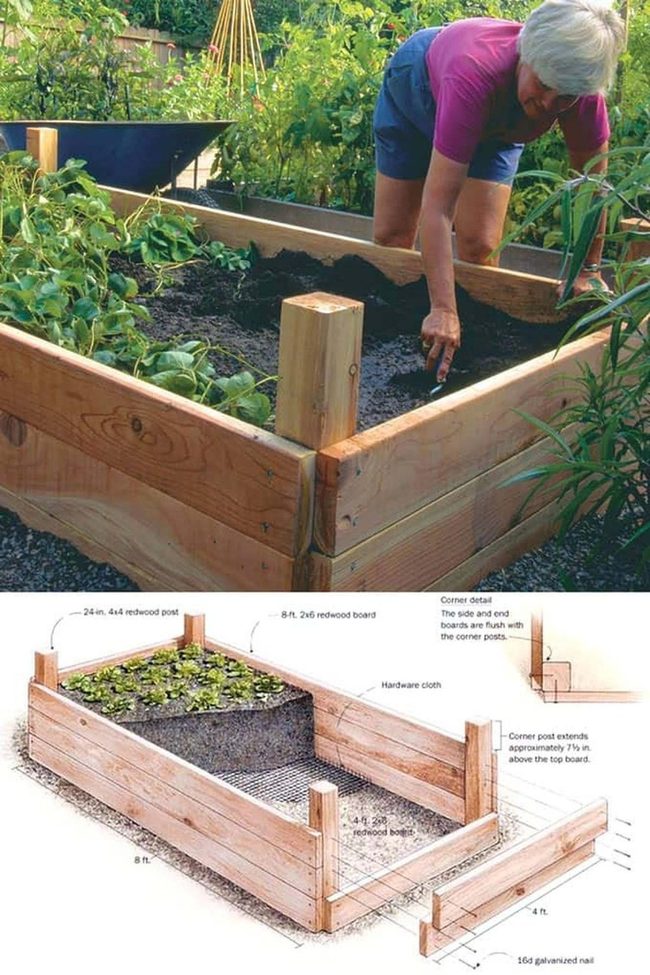
When you build a raised garden bed with post and beam construction, you get a straightforward project that delivers real results for your plants.
Selecting rot-resistant wood such as cedar or redwood means your garden bed will last through many seasons without falling apart.
The beauty of this setup is that you can make it any size you want, so it fits perfectly in your yard whether you have a small corner or more room to work with.
Your vegetables will grow better in their own contained space because you control the soil quality and drainage.
The whole process feels rewarding once you step back and see your plants thriving in a bed you built yourself.
I like how practical this approach is since you don't need special skills or expensive tools to get started.
Building one of these beds gives you a spot where you can grow fresh food and enjoy working with your hands at the same time.
Industrial Metal Garden Beds
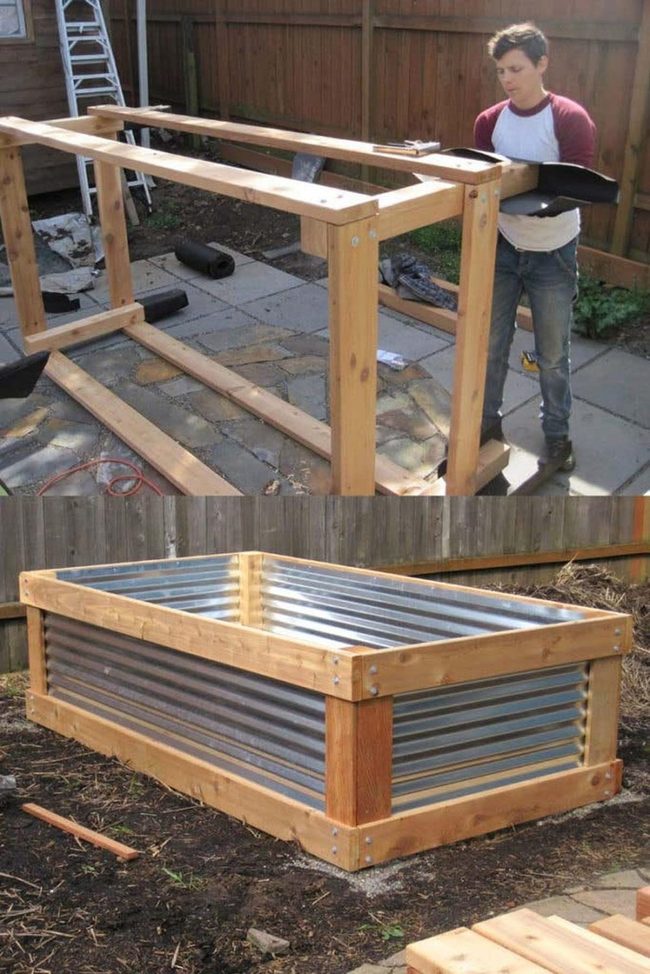
Metal raised garden beds bring together durability and style in a way that instantly upgrades your backyard space.
Corrugated sheets form the frame and give your garden that striking industrial look while keeping your plants safely contained and protected.Adding a solid bottom layer stops weeds from pushing up through the soil and saves you from constant maintenance headaches.
The metal material holds up well through different seasons and weather conditions, so you won't need to replace it often.
You can fill it with quality soil and start growing right away without worrying about your plants shifting or falling out of place.
This simple setup delivers both function and good looks to your garden area.
Painted Tire Garden Beds
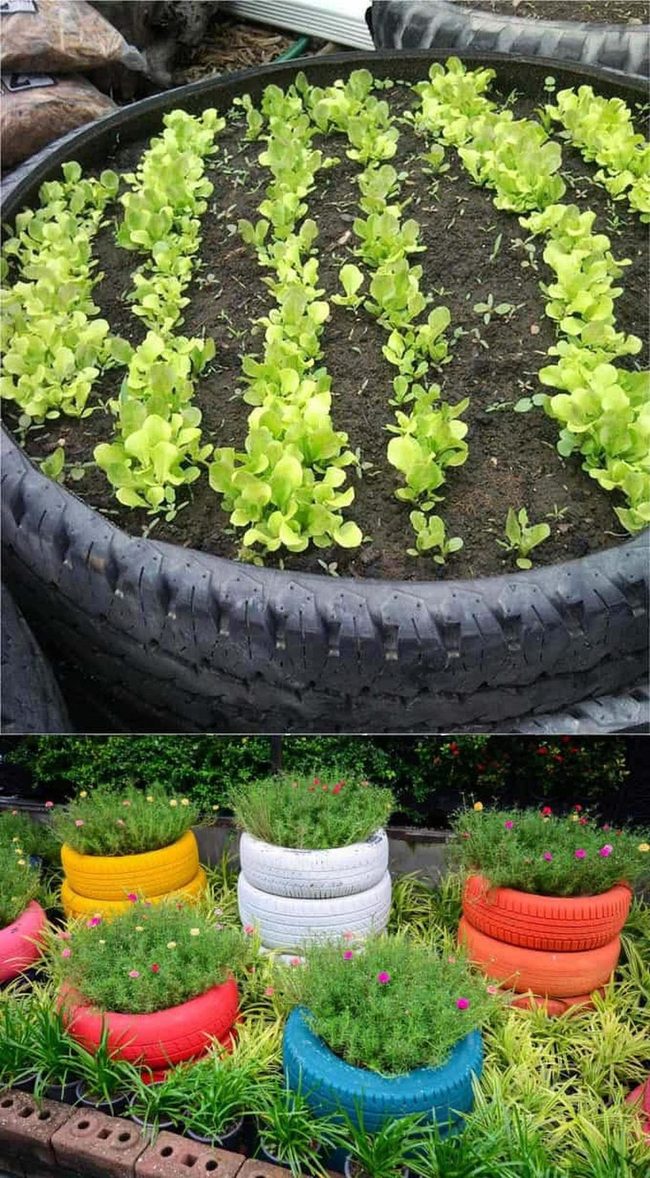
Stacked painted tires make bold garden beds that catch the eye right away and turn a utilitarian look into something fun and colorful.
You get real benefits from using them too - the rubber holds warmth for plant roots and lets water drain exactly how vegetables need it.
People love this approach because it costs almost nothing, and old tires sit around everywhere waiting for a second life.
Stack them high, paint them bright colors, or leave them natural for a rustic vibe that works in any yard style.
Liam Caldwell
Lead Designer & Innovation Strategist
Expertise
User-Centered Design, Creative Problem Solving, Modern Aesthetic Integration, Technology-Driven Design Solutions, Adaptive Space Planning, Trend Analysis, Sustainable Design Solutions
Education
New York School of Interior Design
Liam Caldwell brings fresh ideas to kreativk.net by turning everyday spaces into unique, inviting areas.
Living in Philadelphia and trained at the New York School of Interior Design, he mixes basic design skills with modern technology to make rooms both stylish and useful. Liam is passionate about sustainable design and always finds creative ways to improve the spaces where we live.