
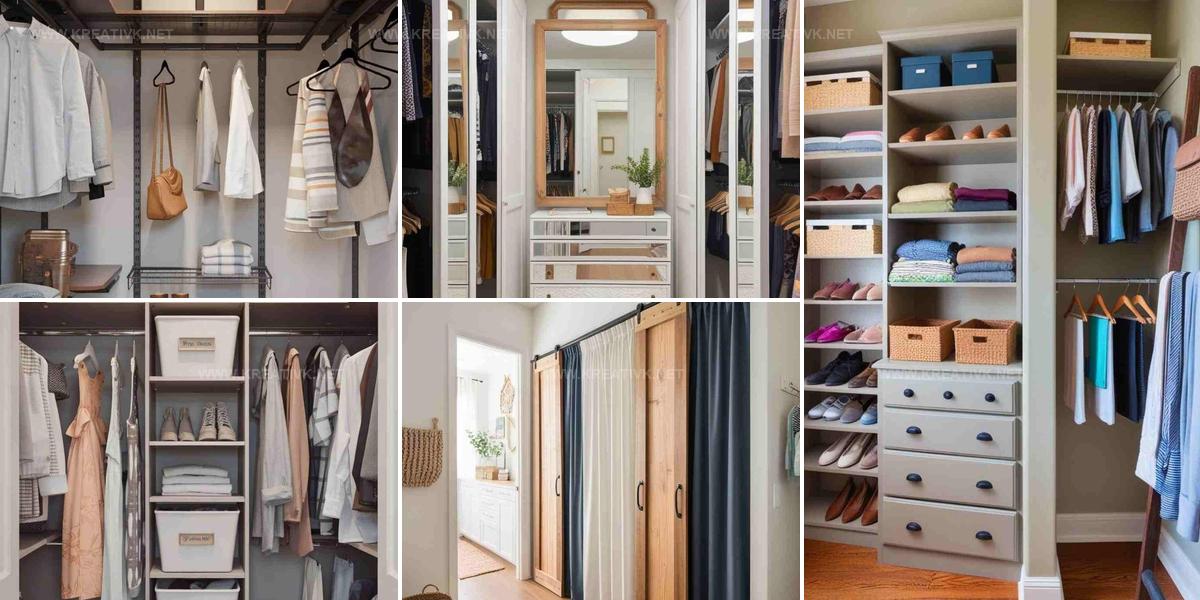
10 Simple Walk In Closet Ideas on a Small Budget
Building a functional and beautiful walk-in closet on a limited budget might sound challenging, but plenty of clever solutions can help you maximize even the smallest space without spending a fortune.
When square footage feels tight and funds are limited, creativity becomes just as valuable as any expensive organizational system.
You don't need custom cabinetry or a complete renovation to achieve a well-organized closet that feels spacious and personalized.
Simple materials, strategic planning, and a bit of effort can completely reshape how you store and access everything from shoes to seasonal clothing.
The key lies in understanding what works for compact dimensions and finding affordable alternatives to pricey retail options.
Smart shelving, hanging solutions, and repurposed items often deliver the same results as high-end installations at a fraction of the cost.
With some inspiration and practical guidance, any small walk-in closet can become an efficient, attractive space that makes getting dressed feel easier every single day.
Adjustable Wire Shelving Storage
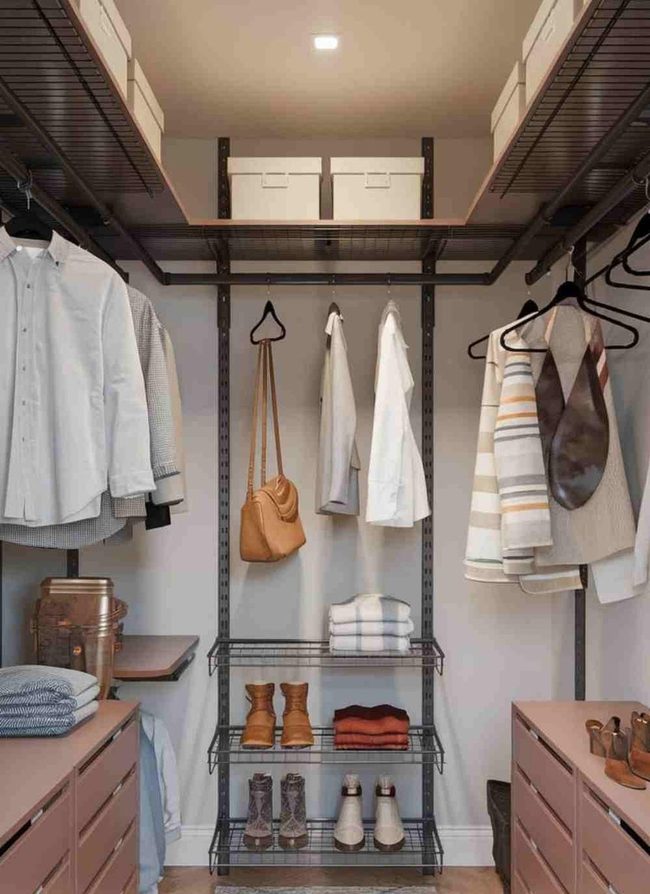
Adjustable shelving redefines a small walk-in closet by giving you the power to customize your storage and adapt it whenever your needs shift.
Installing adjustable brackets lets you modify shelf heights on the fly, so you can fit everything from chunky sweaters down to compact shoes and bags all in one efficient system.
Wire shelving offers an especially budget-friendly route that also provides excellent ventilation to keep your clothes fresh and smelling good.
Many wire shelf options come in various sizes and styles, making it simple to match your closet's exact dimensions without breaking the bank.
Since these systems are straightforward to set up and easy to adjust later, you won't need to pay for pricey built-in solutions that lock you into one fixed layout.
As your wardrobe expands or your storage priorities change, simply raise or lower the shelves to make room for new items.
This easy to maintain approach means you are able to maximize every available inch while keeping your space organized and functional year after year without the expense or hassle of permanent renovations.
Fabric Draped Closet Doors
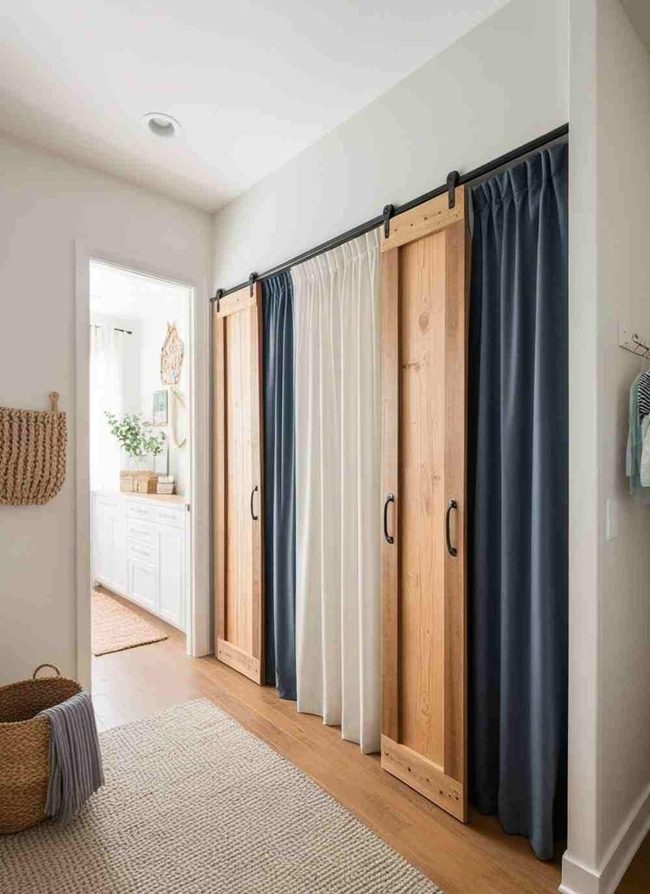
Fabric or curtain doors draped from a tension rod offer one of the most affordable and visually appealing ways to conceal your closet space while adding ambientweightness and style to your room.
You can select from linen, cotton, velvet, or dozens of other materials to match your decor, and swapping them out takes just minutes if you want a fresh look down the road.
For something with more character, repurposed timber like old pallets or plywood mounted on barn door hardware creates a striking rustic or industrial statement that looks custom-built without the custom price tag.
Staining or painting your organic doors to coordinate with your closet's design elevates the whole setup and keeps your wallet happy.
Both options work well for renters since they're temporary and don't require permanent modifications to your space.
Whether you go with flowing fabric or reclaimed timber, these DIY solutions hide clutter behind something that actually looks good in your room.
You get functionality, personality, and budget savings all rolled into one simple upgrade.
Installing either option takes an afternoon and basic tools, making closet doors accessible even if you've never tackled a home project before.
Wooden Ladder Clothing Rack
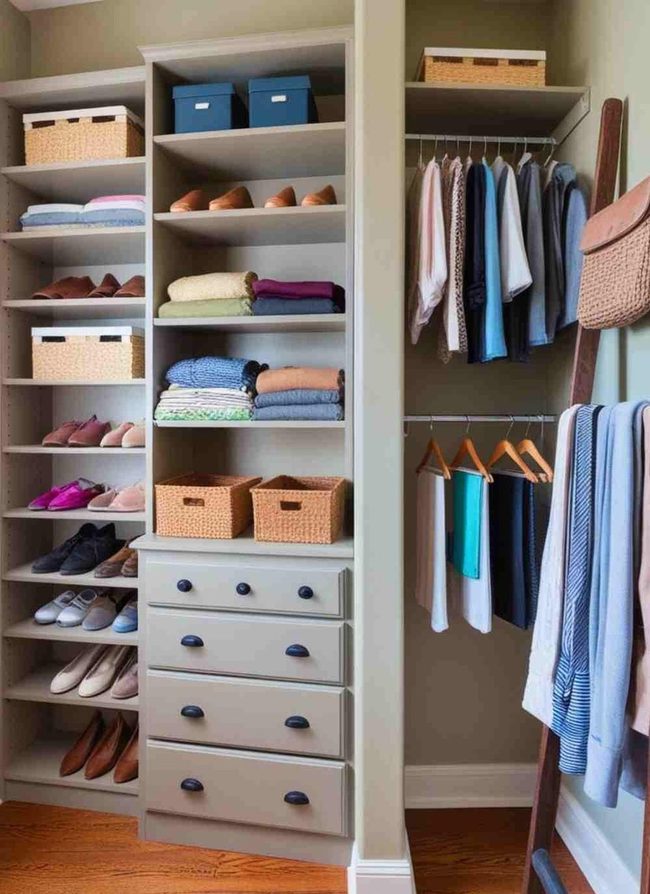
Leaning an old ladder against your closet wall and hanging clothes from its rungs creates an eye-catching storage solution that costs almost nothing and brings rustic charm to the space.
You can slip organic or metal hooks onto across rung for scarves and handbags, or drape hangers directly on the ladder for a mix-and-match look that shows off your style.
Moving beyond that visual pop, an outdated dresser with multiple drawers slides nicely into a small closet and holds underwear, socks, and accessories in neat compartments while the top surface works as a folding station or shoe organizer.
Paint it in a color that matches your closet or stands out as an accent, and suddenly you have both function and personality in one piece.
You can also take an old bookshelf gathering dust elsewhere in your home and repurpose it as closet shelving by loading the shelves with folded clothes, shoes, and bins for small items you don't grab every day.
A fresh coat of paint or lumber stain elevates it into something that looks measured and fits right in with your other storage.
Stackable Bins Maximize Vertical Space
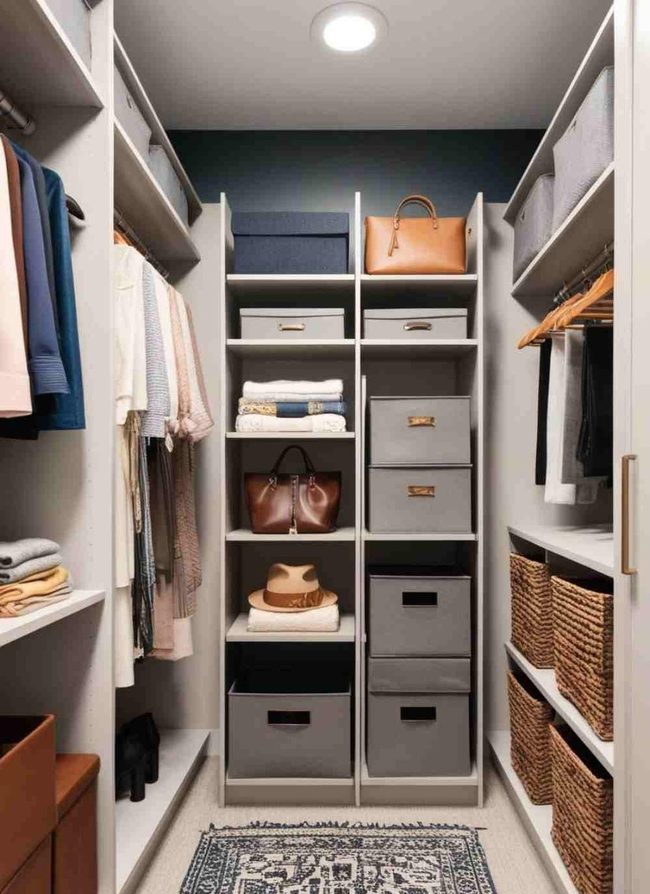
Stackable bins in various sizes work wonderfully to hold shoes, seasonal clothing, and bags while taking up minimal floor space and letting you build upward instead.
Foldable storage boxes hide away neatly when you don't need them and work great for items you reach for less often like extra bedding or rarely worn accessories.
Baskets made from wicker, fabric, or metal sit on shelves or the floor and hold scarves, belts, and smaller accessories while adding a nice visual element to your closet at the same time.
Labeling your containers makes finding what you need quick and simple, and it keeps smaller pieces from getting lost in the shuffle.
Both foldable and stackable options come in plastic, fabric, or cardboard materials and won't drain your budget.
When you use these storage methods throughout your closet space, everything gets a designated spot and stays easy to grab when you need it.
Budget-Friendly Rolling Closet Island
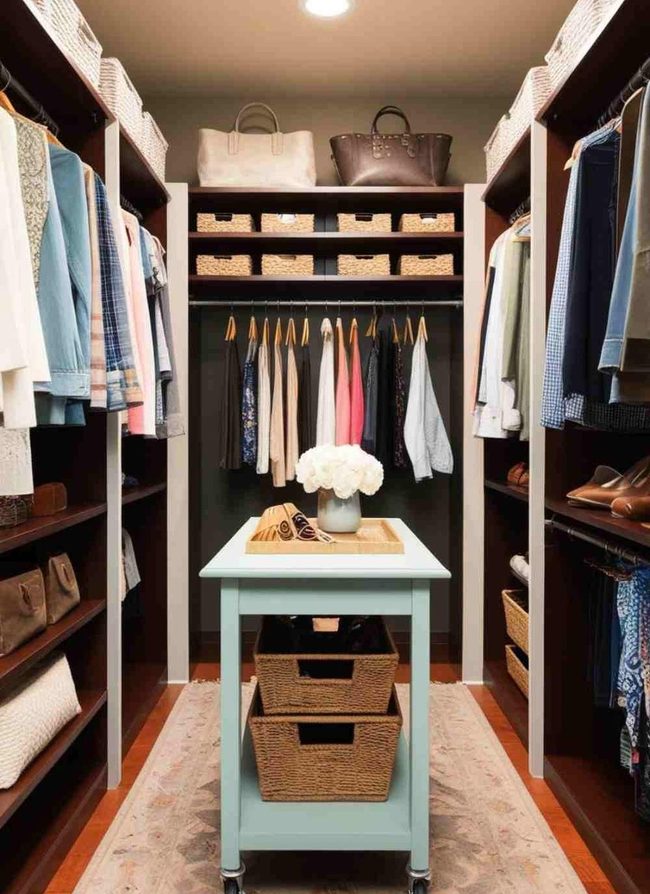
The small table or rolling cart can be transformed into a closet island, and this simple addition brings both style and function to your walk-in closet without draining your budget.
Look for an old table or cart you no longer use, or hunt for an affordable option at a thrift store or online marketplace.
Once you have your piece, it becomes a surface for folding clothes, organizing items, or displaying accessories and shoes.
If you choose a cart, the wheels give you flexibility to move your island around whenever you need to rearrange the space.
You can maximize storage by adding shelves or baskets underneath to hold shoes, bags, or extra clothing.
Paint it or refinish it to match your style, and your repurposed furniture becomes a valuable part of your closet organization.
Many people think a closet island sounds like a luxury only for large spaces, but with some creativity you can make this work in a small walk-in closet.
The result is extra storage and a convenient workspace that actually makes using your closet easier every day.
Mirrors Expand Small Closet Space
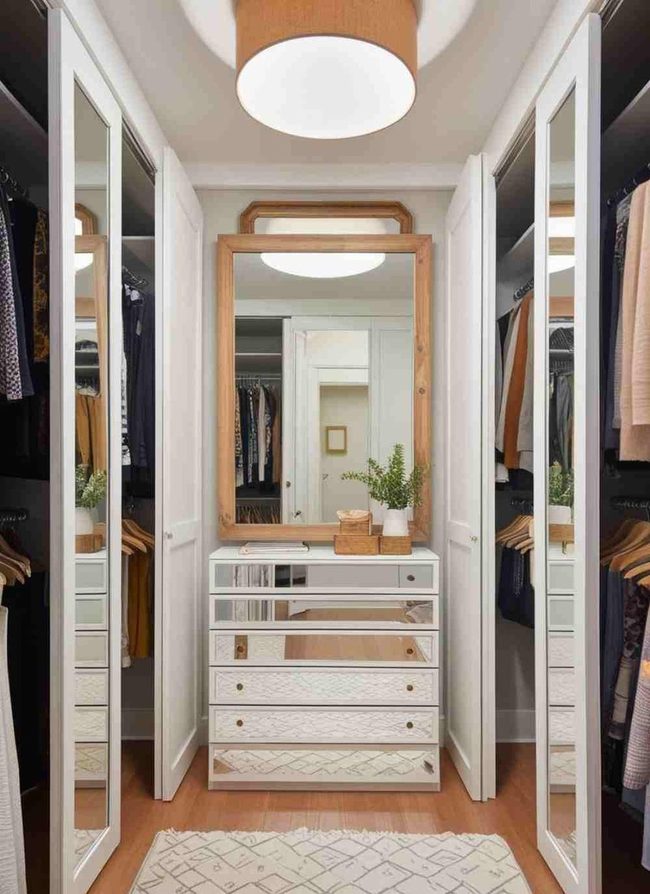
Large mirrors mounted on closet doors or walls instantly open up a small walk-in closet and make the space feel much bigger than it actually is.
Whimsical bounces off the reflective surfaces and spreads throughout the room, and you get the bonus of checking your outfit before you leave.
Full-length mirrors on sliding doors work particularly well, or you can mount a substantial mirror on one wall to amplify brightness and reflect the entire space back.
If you want to save money and add personality at the same time, try making your own framed mirrors from old picture frames or affordable grain and molding, then add a reflective mirror sheet inside.
This DIY approach gives you total control over the style, whether you lean toward rustic, modern, or industrial vibes.
Mirrors are one of the most straightforward tricks to help smaller rooms feel more spacious and airy.
Your closet will look brighter and larger without any major renovation or expensive furniture purchases.
It's a simple addition that makes a real difference in how your space functions and looks.
Ceiling Shelving Maximizes Closet Space
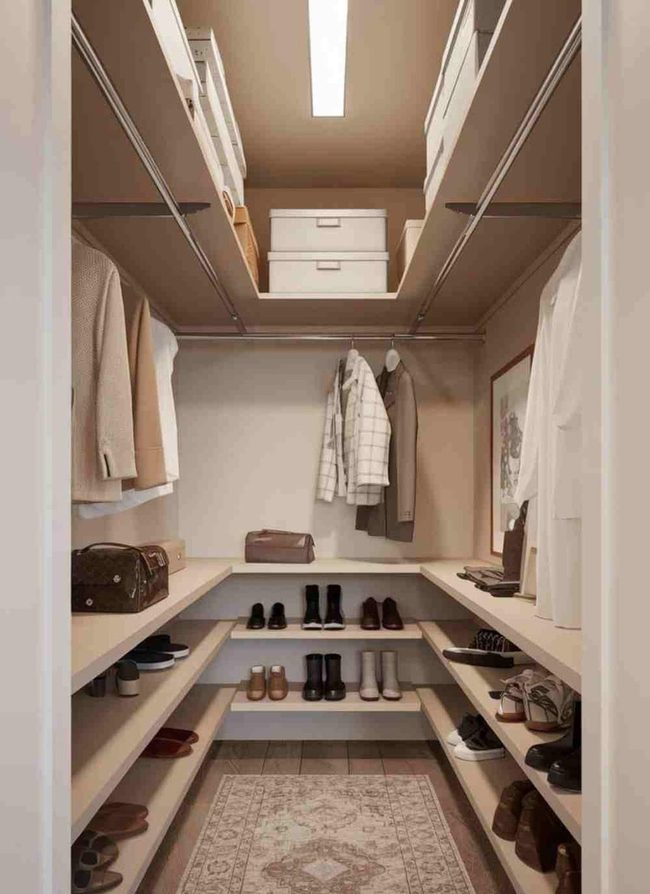
Overhead storage reshapes a small walk-in closet by using the space above your main storage area, which means you can finally keep everything organized without cluttering your floor.
Installing sturdy shelves or hanging bins from the ceiling gives you room for winter coats, holiday decorations, summer gear, and other items you only need during certain seasons.
This overhead zone works perfectly for off-season clothes, luggage, extra towels, blankets, and shoes you wear just a few times throughout year, and keeping these things up high frees up your most-used shelf and floor space for daily essentials.
When you place less frequently needed items in labeled bins or containers at the top of your closet walls, you can easily find what you're looking for without pulling everything down just to check.
This simple approach keeps your main closet area feeling neat and open while your seasonal items stay within rthroughout whenever you need them.
Neutral Open Shelving Closet
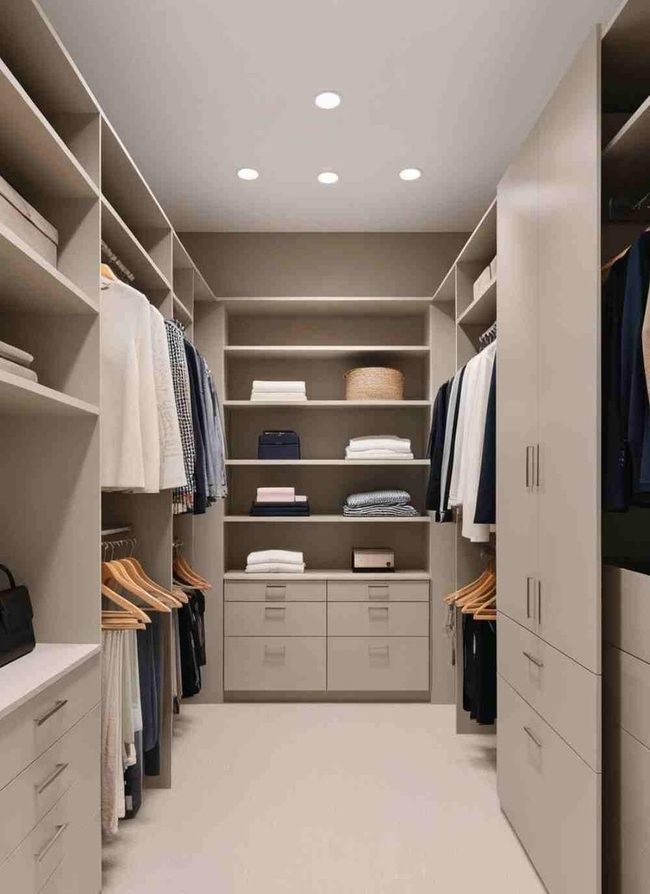
Adopting a minimalistic design approach helps you build a stylish and functional small walk-in closet without breaking the bank, and it works by keeping things simple and clean so the space feels larger and more organized.
Neutral colors like whites, grays, and muted beige on your walls, shelves, and storage units add a calm environment and make the room feel open and airy.
Pairing these tones with clean, straight lines for shelving, rods, and storage solutions strengthens the minimalistic look.
Less clutter means more visual space, which matters a lot in a small closet.
Open shelving is the heart of this design style, and you can save money by choosing open shelves instead of closed cabinetry while also making your clothing and accessories easier to reach.
Seeing everything at a glance helps you organize faster and find what you need without frustration.
Simple materials like lumber planks or wire racks give you affordable without losing its user-friendly edge storage.
By keeping things straightforward with neutral colors, clean lines, and open shelving, you can make a walk-in closet that stays within budget and works efficiently while looking modern and put-together.
Clear Plastic Built-In Bins
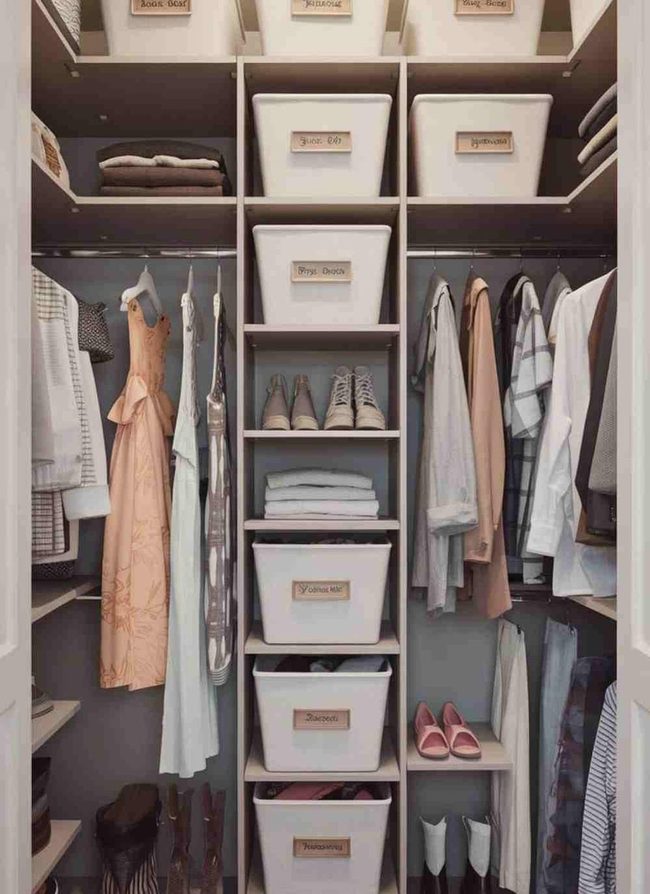
Storage bins and baskets transform cluttered spaces beneath shelves into organized zones where everything stays neatly tucked away, and choosing stackable options in plastic, fabric, or woven materials lets you maximize vertical space while matching your style.
Clear containers work best because you can spot what's inside at a glance without opening them, and adding simple labels takes this organization one step further by showing you exactly where in all item belongs.
Smaller accessories like scarves, hats, or shoes fit perfectly in fabric or wicker baskets, which add a bit of warmth to your closet while keeping things accessible.
When you categorize items by type or season before placing them in bins, finding what you need becomes quick and painless, so you never have to dig through containers or reorganize repeatedly.
Plastic bins offer the most budget-friendly approach if cost matters to you, while woven or fabric options bring a more polished look without spending much extra.
This simple method works because every item has its own place, and that consistency keeps your walk-in closet functional and clutter-free.
Vertical Organizer Maximizes Small Spaces
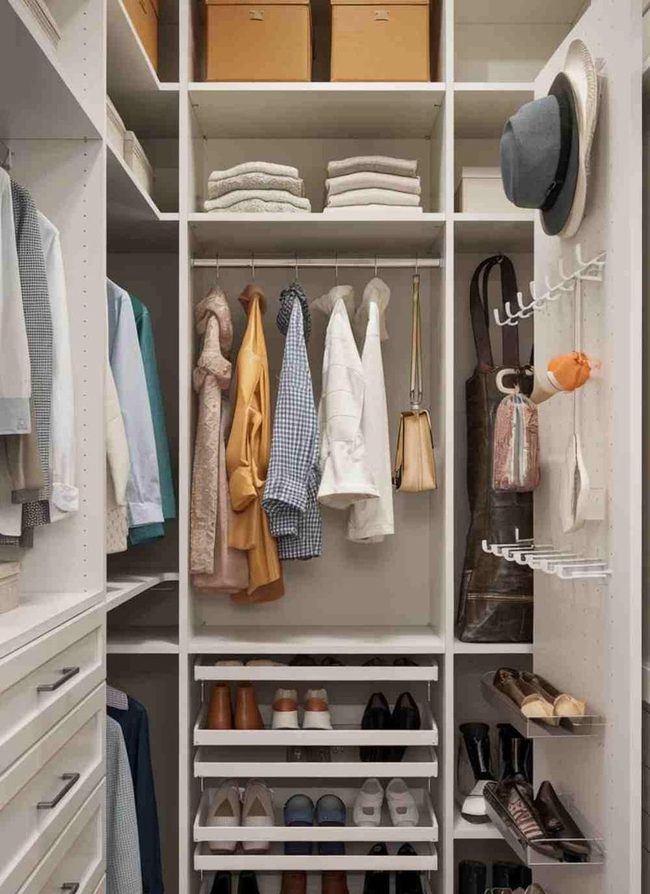
When you're working with a small walk-in closet, looking upward opens up real storage possibilities that keep your floor clear and organized.
Tall shelves and bookcase-style units along your walls hold folded clothes, bins, and seasonal items, and higher shelves work perfectly for things you rarely grab like extra blankets or luggage.
Hanging racks mounted beside these shelves let you display coats and dresses at arm's reach.
Don't overlook your closet door's back side, installing hooks or pegs there gives you a simple, budget-friendly spot for scarves, hats, belts, and jewelry you use regularly.
Fabric shoe racks, tiered hanging organizers, and wall-mounted pockets for smaller items like handbags and accessories free up shelf space and make the whole room feel less crowded.
Ava Jensen
Founder & Chief Creative Officer
Expertise
Holistic Interior Design Approach, Space Planning & Functional Layouts, Sustainable Design Practices, Digital Fabrication & Innovative Technologies, Residential & Commercial Project Management, Integration of Traditional and Modern Design Principles, Studio-Based Creative Problem Solving
Education
Westphal College of Media Arts & Design
Ava Jensen is the heart of kreativk.net. Based in Philadelphia, she combines classic and modern design methods to create spaces that are both beautiful and practical.
Trained at Westphal College of Media Arts & Design, Ava focuses on building sustainable homes and offices using smart, digital tools. She enjoys working with eco-friendly brands and loves sharing her knowledge with new designers.