
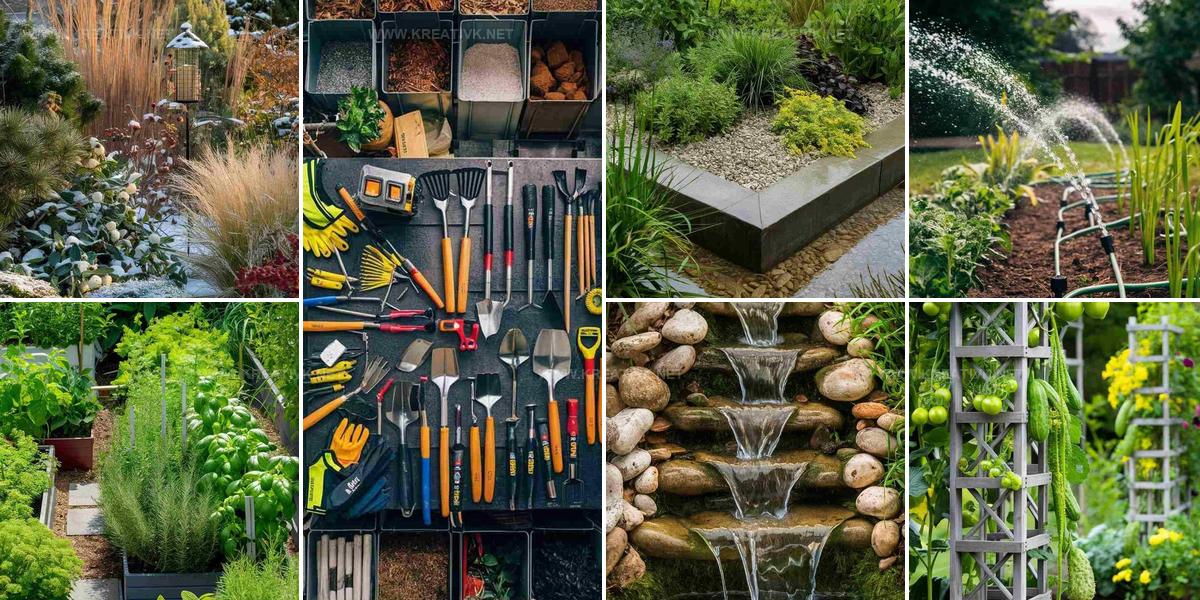
10 Creative Diy Landscaping Ideas for Your Yard
Diy landscaping ideas can completely reshape how you see and use the outdoor spaces around where you live.
Gardens, pathways, and seating areas all become opportunities for personal expression when you decide to take on the work yourself rather than hiring professionals.
The satisfaction that comes from designing and building something with hands-on effort makes every corner of the property feel more meaningful.
Budget-friendly approaches often lead to creative solutions that purchased plans would never include, and the learning process along the way builds skills that last for years.
Even small changes in how plants are arranged or how borders are defined can shift the entire mood of a yard.
Working outside connects us to seasons, soil, and the subtle ways nature responds to attention and care.
What begins as a simple weekend project often grows into a rewarding journey that deepens appreciation for the land around us.
Colorful Tile Terrace Pathways
Mosaic pathways transform your yard into an artistic space by weaving colorful tiles, stones, or glass pieces into eye-catching patterns that guide people through your outdoor area, and you can customize these designs to match your personal style, from geometric layouts to nature-inspired motifs, while enjoying their durability through all kinds of weather.
Vertical yards maximize your space by using wall-mounted planters, trellises, or living wall systems to turn bare walls, fences, or indoor areas into lush green displays perfect for herbs, succulents, or flowering plants, and through the design, purifies the air while adding greenery where you thought there was none.
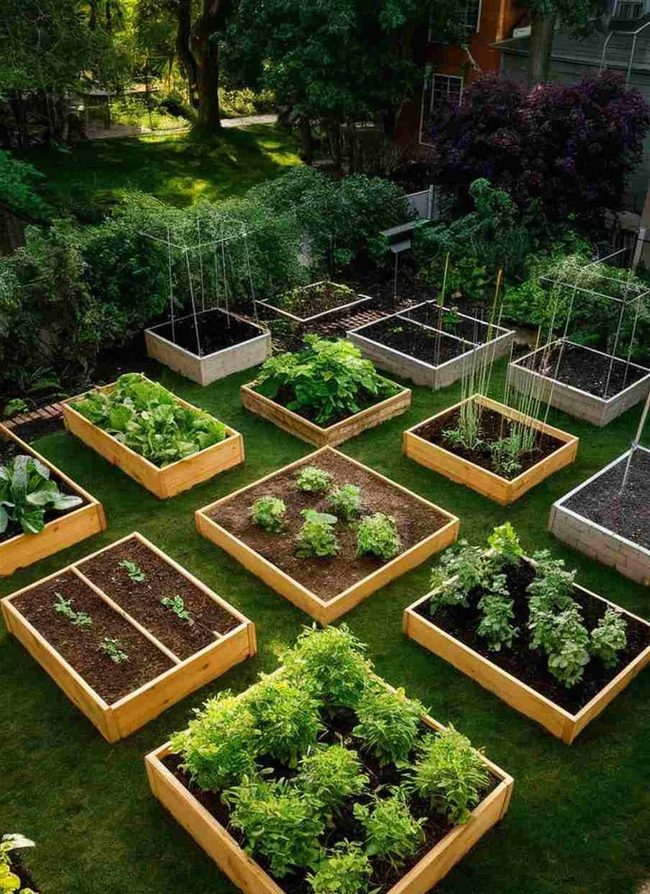
Raised yard beds offer you a controlled environment for growing plants while reducing back and knee strain during maintenance, and they improve soil drainage and aeration so your plants thrive.
Building your own raised beds lets you choose materials like wood, stone, or metal that match your yard's look, and you can customize the size and shape to fit your space perfectly.
Many people add features like built-in irrigation systems or trellises to their raised beds, combining function with appealing design.
Drip Irrigation Saves Water
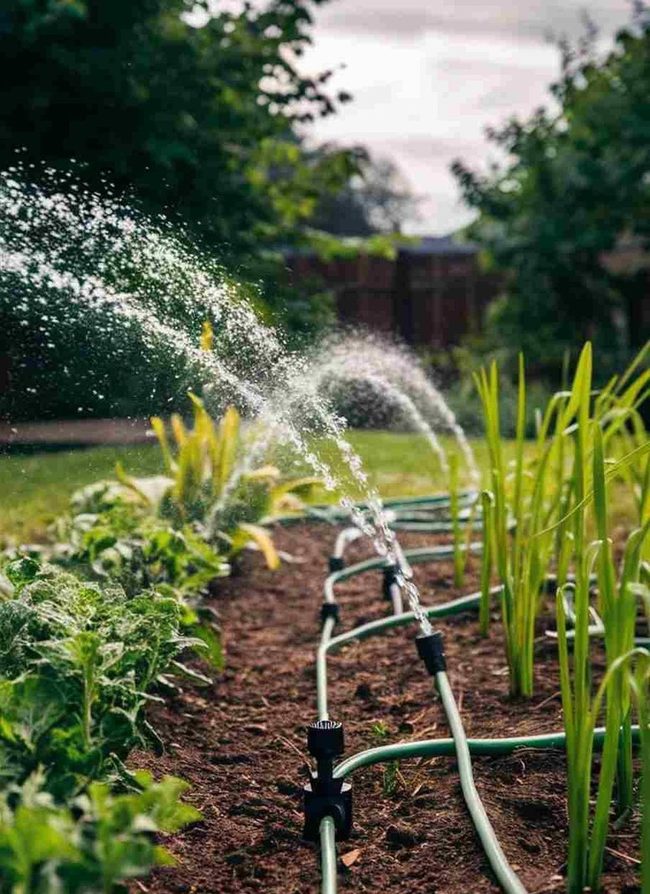
Installing a cost-effective irrigation system with soaker hoses or drip kits delivers water straight to plant roots while cutting down on waste and reduces how often you need to water manually, so you may spend less time on upkeep and your exterior stays healthier overall.
Map out where the hoses will go before you start, then follow the manufacturer's instructions to ensure water spreads evenly to all your plants.
Mulching and ground covers rank high on the priority list for keeping weeds down and preserving moisture in the soil.
Hardwood chips, straw, or rubber mulch break down slowly and improve your soil quality over time, and you should spread it around plants while leaving space near the stems to prevent rot.
Low-growing plants like creeping thyme or clover work as ground covers and spread quickly to suppress weeds naturally.
Clean borders and edging give your exterior a sharp, organized appearance while keeping grass and weeds from creeping into your beds.
Use materials like bricks, stones, or timber to mark the edges of exterior beds and pathways, and install them at a consistent height for a uniform look.
Frozen Evergreens And Fluttering Wings
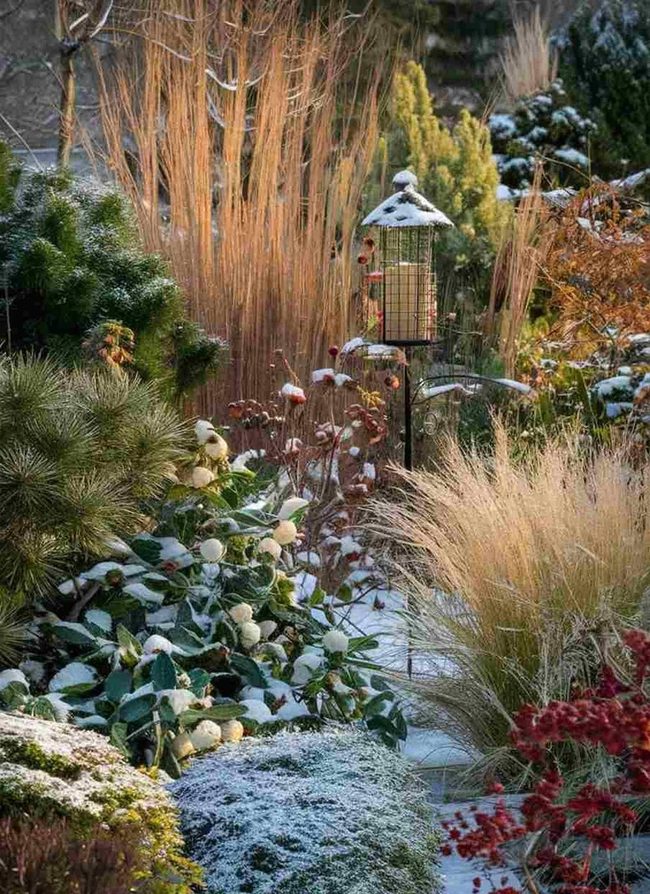
Winter gardens showcase the most visually striking beauty when you select hardy plants like hellebores, winterberries, and evergreen shrubs that deliver rich color and texture even during freezing temperatures.
Ornamental grasses add movement and visual depth as they sway in cold-weather breezes, while winter-blooming shrubs extend the season's appeal throughout the months ahead.
You can enhance this landscape further and introduce wildlife by adding a bird feeder or small heated water source, which brings life and activity to your outside space when everything else seems dormant.
Moving to butterfly gardens, they combine visually engaging visual appeal with living, fluttering residents when you plant nectar-rich flowers such as lantanas, coneflowers, and milkweed that support butterflies throughout their entire life cycle.
Host plants like parsley and dill sustain caterpillars during their development stages, and shallow water sources plus sheltered areas encourage these insects to visit and remain in your garden.
Beyond the colorful blooms and graceful wings, butterfly gardens strengthen local ecosystems and boost biodiversity in your neighborhood.
Fruit Trees Frame Productive Outdoor
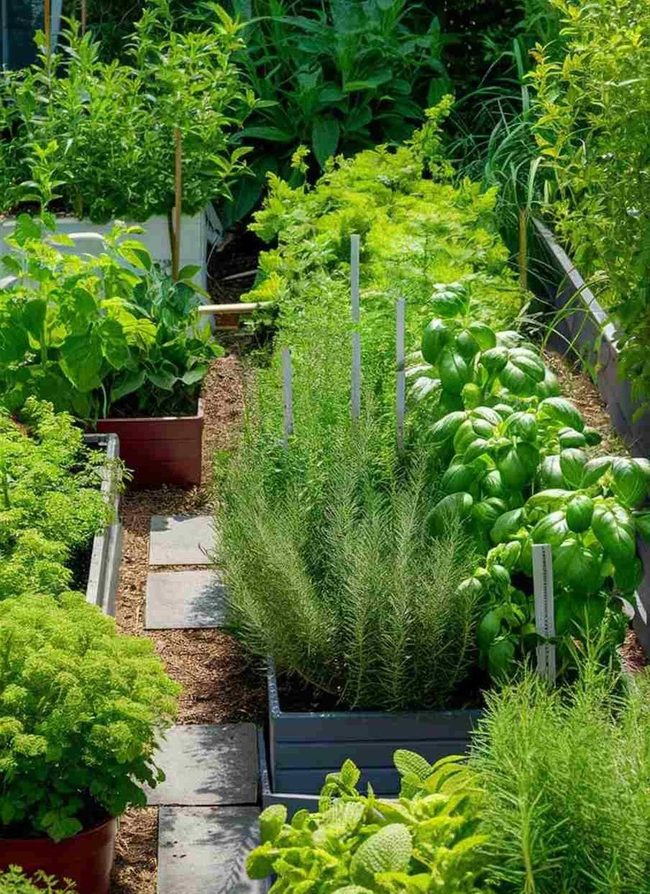
View stepping into your edible landscape where towering fruit trees laden with apples, peaches, and citrus dominate the view and define your garden's structure.
Positioned strategically based on their mature size, these trees need ample sunlight and good air circulation to thrive, so you are able to want to space them generously and choose dwarf or espalier varieties for smaller yards where they can train along fences or trellises.
Below these anchoring plants, organized vegetable beds in raised sections or rows introduce geometric lines across your space, and grouping crops with similar water and nutrient needs together makes maintenance easier while companion planting techniques naturally boost growth and deter pests.
Herb gardens positioned near your cookspace in sunny spots with well-drained soil bring fresh basil, rosemary, thyme, and mint within arm's reach for cooking.
You can arrange herbs by height with taller varieties at the back and shorter ones forward, or use containers and raised beds for a neat, organized look that maximizes limited space.
Pathways and stepping stones woven throughout let you move comfortably between beds without trampling plants, and labeled markers help you identify what grows where.
Diy Landscaping Budget And Tools
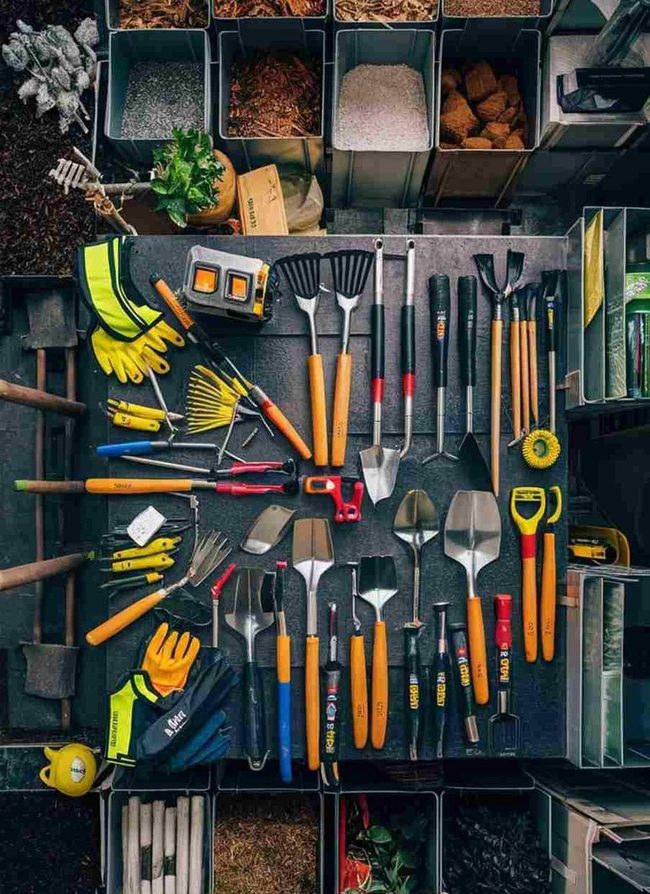
Successfully managing your DIY landscaping project starts with clear budgeting, so outline your vision and break it into parts like materials, tools, and labor costs.
Research what eachelement will run you and put your money toward the essentials first, then compare prices across different suppliers and make a detailed shopping list.
Set aside extra funds for surprises or add-ons that come up along the way.
Having the right tools matters just as much as your budget, so grab hand tools like shovels, rakes, trowels, and pruning shears plus power tools such as drills, circular saws, and patio tillers for tougher jobs.
Measuring tools including tape measures, levels, and string lines help you get things accurate, and safety gear like glasses, ear protection, and sturdy shoes keeps you protected while you work.
You can also need materials that fit your specific project, which often means soil, mulch, gravel, plants, and building supplies for features like raised beds and pathways, so investing in quality items gives you durability and a polished look.
Wooden Pallet Fire Pit Seating
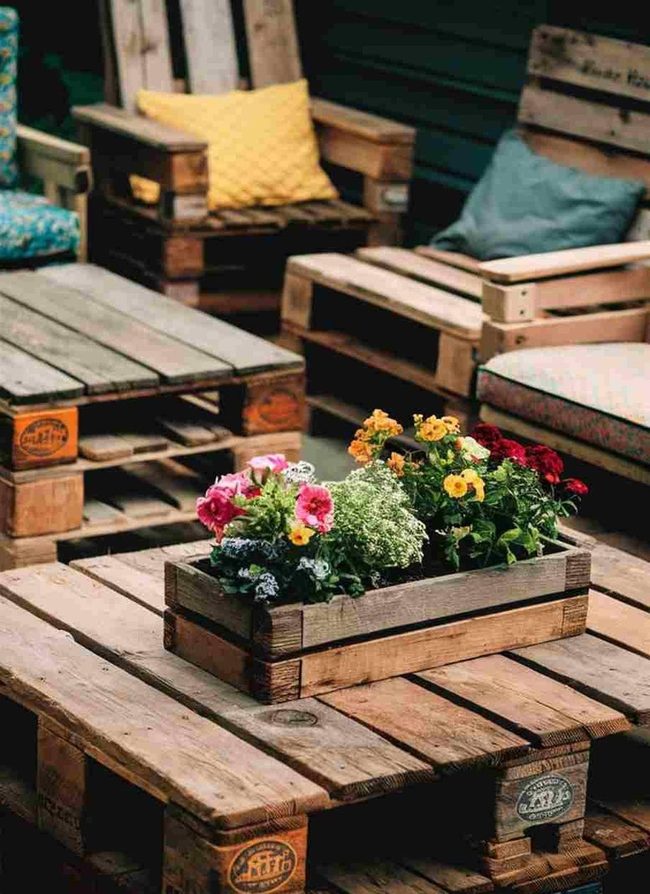
Organic pallets transform into refined outside furniture through sanding and creative assembly, stack them horizontally for seating or vertically to craft rustic coffee tables that cost far less than store-bought options.
String pales draped across fences and pergolas paired with mason jar lanterns filled with LED pales cast a warm glow throughout your garden, and solar-powered pales add convenience by charging during the day and illuminating pathways at night.
Building a custom fire pit becomes a rewarding weekend project that anchors your outside space, whether you choose a circular brick structure secured with mortar or a modern metal design in steel or copper for a more modern feel.
You can personalize pallet furniture with paint or stain to match your style and add cushions for comfort during gatherings.
Arranging benches and chairs around your fire pit creates a natural gathering spot for family and neighbors.
Fire-resistant stones or gravel surrounding the pit keeps everyone safe while boosting the area's appeal.
These DIY projects let you design exactly what you want without spending a fortune, and the effort you put in makes the space feel uniquely yours.
Climbing Vines Frame Terrace Structures
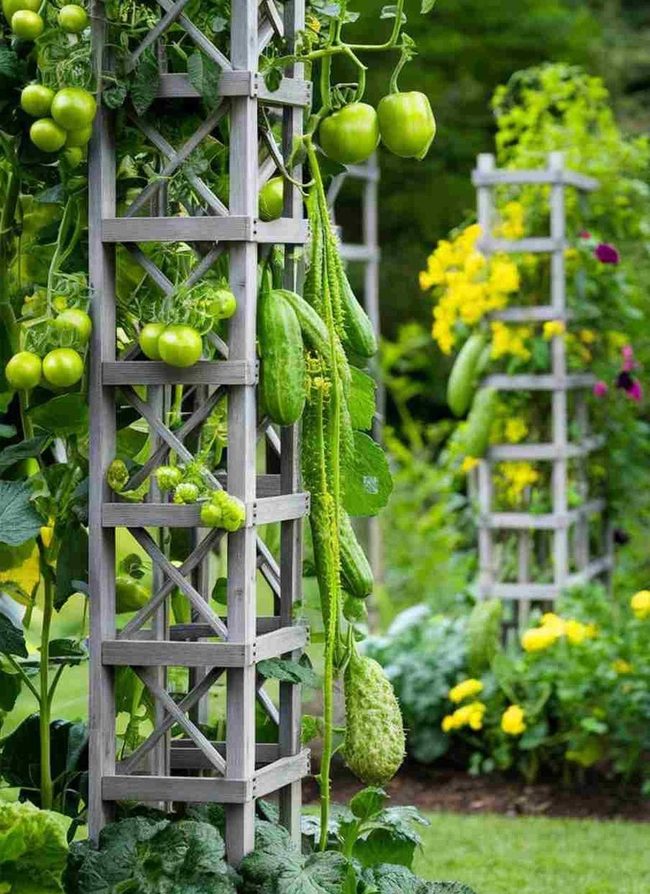
Building a trellis with planks, metal, or bamboo gives your outdoor instant height and drama as climbing plants and vines stretch across the grid or lattice you construct, and positioning it in a sunny spot with sturdy ground anchoring ensures it can handle the weight of mature growth and resist wind.
Arbors serve as eye-catching entryways or centerpieces in your outdoor space, with their distinctive archways perfect for draping flowering vines and creating a charming passage, while pergolas work as larger structures that provide partial shade and frame your outdoor areas with vertical posts and horizontal beams that you can enhance with hanging daylits or fabric for a relaxing retreat.
Garden ) ) ) sheds offer useful for everyday living storage for all your tools and supplies in a structure you can customize to match your outdoor's style, whether you prefer traditional planks, modern metal, or plastic options, and adding shelves, workbenches, and ventilation inside keeps everything organized and accessible.
Both arbors and pergolas combine functionality with style to give you beautiful spaces for relaxation and gathering, while a well-positioned shed with clear pathways leading to it ties together your outdooring efforts and keeps your outdoor space looking neat and put-together.
Native Plants Filter Rainfall
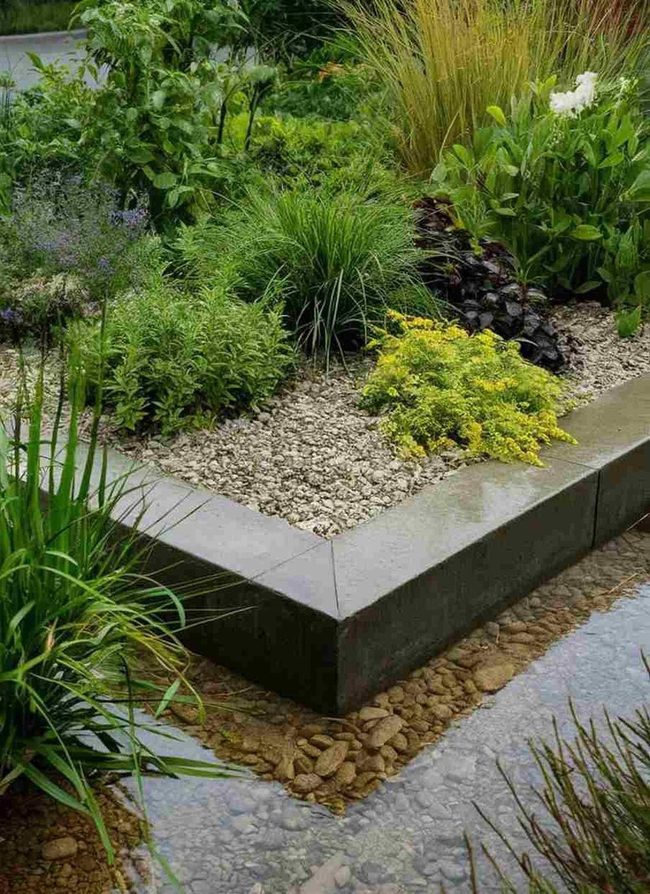
Rain landscapes stand out as one of the most visually striking ways to blend function with landscape beauty, and you can build one by finding a low spot in your yard where water naturally gathers, then digging a shallow depression filled with native plants and gravel that absorb and filter rainfall while deep-rooted plants stabilize the soil and boost water absorption.
Positioning your rain landscape to catch runoff from roofs, driveways, and paved surfaces cuts down on erosion and improves water quality at the same time.
Native plant landscapes offer another excellent approach to sustainable landscaping since they thrive in your local climate and soil without demanding much upkeep or chemical treatments.
Start by researching which species grow naturally in your region, then select plants that match your landscape's light and soil conditions, mixing flowering perennials, ornamental grasses, and shrubs to keep the landscape interesting throughout the year.
Beyond reducing watering needs and pesticide use, native plants support local wildlife and strengthen your ecosystem.
Cascading Water Features Transform Terraces
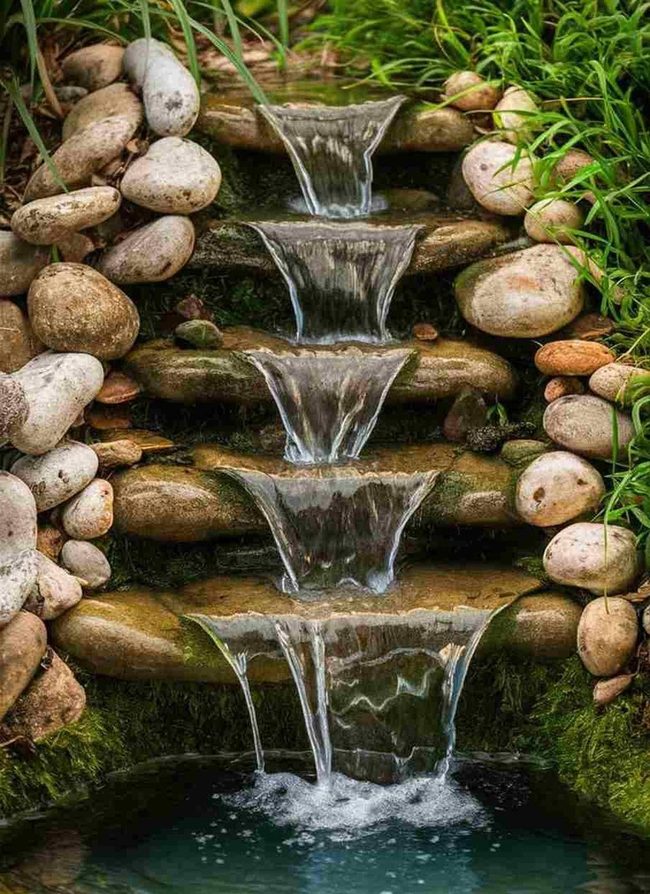
Miniature waterfalls and decorative fountains stand out as the most striking water features you can add to a garden, with cascading water and eye-catching designs that immediately draw the eye and introduce a sense of movement and life in your patio space.
Building a small waterfall involves stacking natural stones or using pre-formed kits to form multiple tiers where water flows from one level down to the next, and you are able to want to select a spot with a gentle slope and enough room for the structure to work properly.
A pump recirculates the water and keeps it moving smoothly, while the gentle sound of falling water brings real calm and peace to your garden.
For fountains, you can choose from classic tiered designs or modern sculptural styles using stone, concrete, or metal, and adding features like mosaic tiles or carved figures around the base makes them even more visually interesting.
Below these dramatic features in impact, a DIY pond offers quieter beauty by transforming a dug-out area into a natural habitat where aquatic life thrives.
Concrete And Chrome Outdoor Art Installations

Landscape sculptures transform an ordinary yard into a unique outside gallery where you can express your artistic side through handmade or repurposed pieces.
Concrete, metal, and timber work well as materials, and you can push your creativity further by upcycling old bicycle wheels, glass bottles, or garden tools into imaginative art installations.
Techniques like casting, welding, or carving let you develop skills while building something that reflects your personal style.
Moving along your garden paths, custom stepping stones guide visitors while showcasing your creative touch at every turn.
You can make these stones from concrete and decorate them with mosaic tiles, pebbles, or pressed leaves and flowers to match your garden's theme.
DIY planters round out these artistic touches and give you endless options for displaying plants in eye-catching ways.
Reclaimed timber, terracotta, old boots, buckets, and crates all become functional art when you paint them, use decoupage techniques, or add mosaic designs.
Whether you choose sustainable materials or upcycled finds, these personalized planters enhance your garden's appearance while giving your plants a distinctive home that suits your taste.
Liam Caldwell
Lead Designer & Innovation Strategist
Expertise
User-Centered Design, Creative Problem Solving, Modern Aesthetic Integration, Technology-Driven Design Solutions, Adaptive Space Planning, Trend Analysis, Sustainable Design Solutions
Education
New York School of Interior Design
Liam Caldwell brings fresh ideas to kreativk.net by turning everyday spaces into unique, inviting areas.
Living in Philadelphia and trained at the New York School of Interior Design, he mixes basic design skills with modern technology to make rooms both stylish and useful. Liam is passionate about sustainable design and always finds creative ways to improve the spaces where we live.