
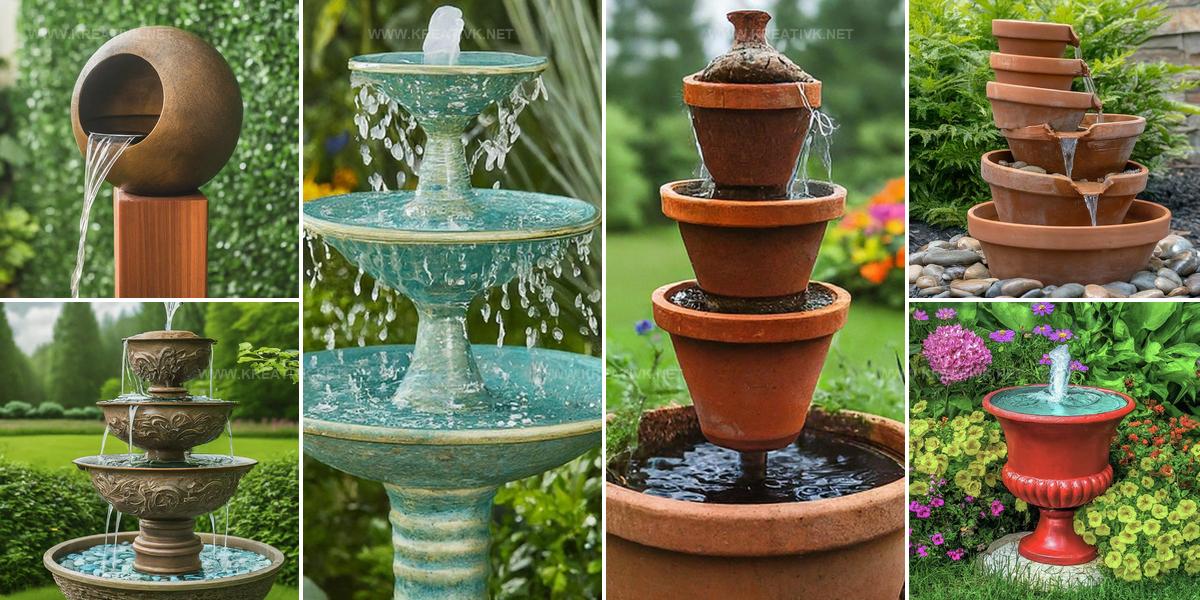
10 DIY Garden Fountains That Create Backyard Serenity
DIY garden fountains can completely change how you experience time spent outdoors while adding soothing sounds and visual interest to any landscape.
Building a fountain yourself offers freedom to match the design perfectly with the surrounding plants, hardscaping, and overall aesthetic you've cultivated in the space.
The project combines creative expression with practical skills, making it accessible whether you have advanced construction knowledge or simply enthusiasm for working with water features.
Modern materials and techniques have made fountain construction much simpler than it once was, opening up options that range from minimalist containers to elaborate tiered designs.
Water moving through stone, ceramic, or metal creates an atmosphere of calm that benefits both the gardener and local wildlife seeking refreshment.
The cost savings compared to professionally installed features can be substantial, allowing budget-conscious homeowners to achieve impressive results without compromise.
Once you see how achievable and rewarding the process becomes, the idea of adding flowing water to the garden feels less like a luxury and more like an attainable weekend adventure.
Bamboo Water Cascade Terrace Feature
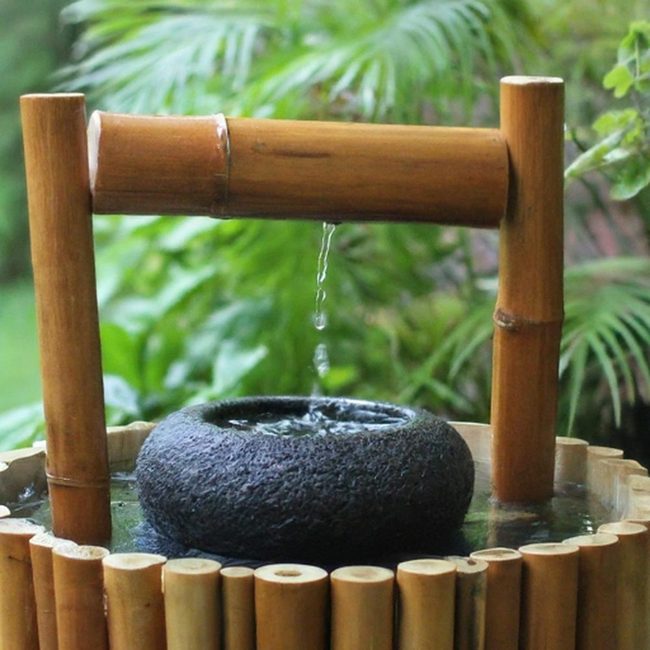
If flowing water sounds appeal to you but your budget won't stretch far, a DIY bamboo fountain offers an affordable way to bring that soothing element into your yard space.
Water cascading down bamboo stalks creates a striking focal point that draws the eye immediately, and the gentle sound of the flow adds a peaceful auditory dimension to your garden.
You can build this project using a recirculating pump paired with a large basin as your foundation, or you might incorporate an existing garden pond instead.
Bamboo's natural texture and warm tones work well in most yard settings without requiring expensive materials or complicated installation.
I've seen how simple the arrangement becomes once you gather your supplies and position everything.
Most people find the recirculating system keeps the water moving continuously without heavy energy costs.
Your garden refreshes into a more tranquil retreat when you add this kind of water feature, and visitors see the difference right away.
Stacked Ceramic Urns Water Feature
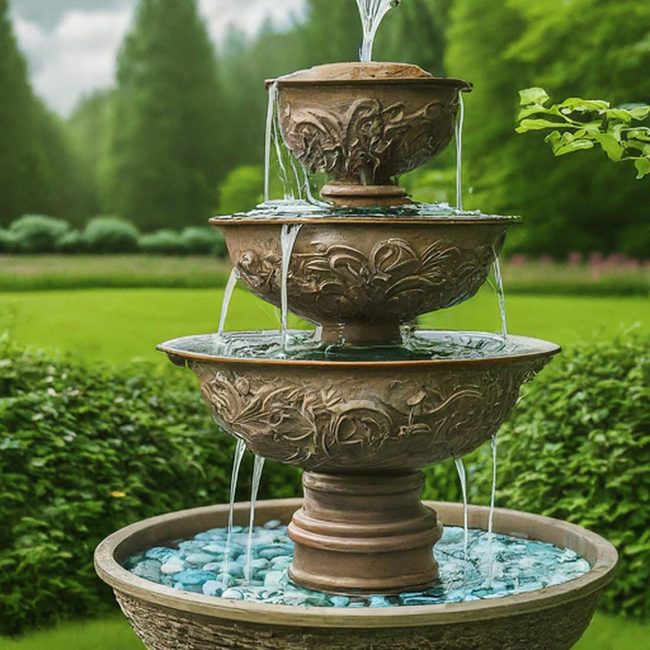
Building a garden fountain from everyday items opens up endless possibilities, and you can see how beautifully a simple setup of stacked planters and urns alters a garden corner into something special.
Water flows from the bottom basin up to the top tier and cascades back down through across level, creating movement and sound that draw attention immediately
Almost any garden-safe container works for your design, whether it's old ceramic pots, baskets, or vintage urns.
The stranger and more one-of-a-kind your containers are, the better your fountain will look and feel.Your garden gains both a water feature and a chance to show off your own style at the same time.
Best of all, the project costs far less than store-bought options and gives you something totally unique that reflects your taste.
Solar Powered Cascading Pot Fountain
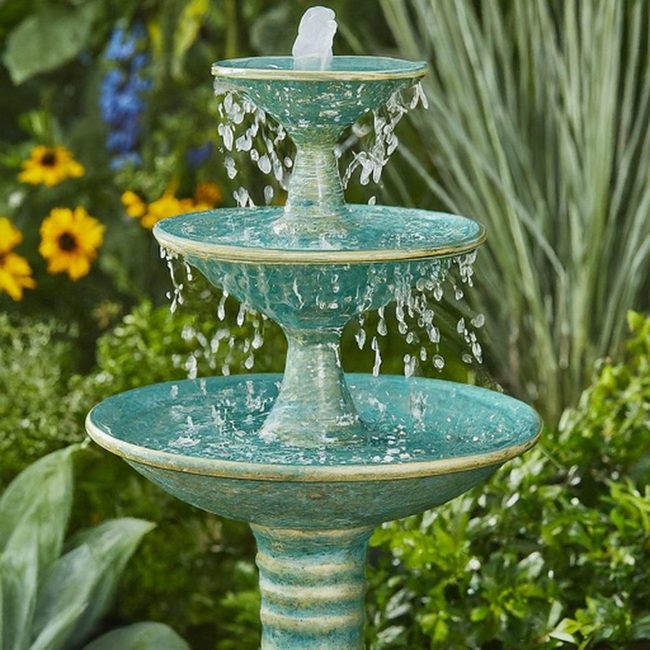
Building a bubbling fountain gives you a water feature for your garden that's surprisingly simple to set up and maintain.
Solar power does the work here, so you won't need to deal with complicated wiring or electricity lines running through your yard.
Water gets pushed up through the middle of stacked pots and cascades back down in a gentle flow that adds movement and sound to your exterior space.You can find complete instructions and other water feature ideas on House of Hawthornes if you want to build one yourself.
The whole project stays budget-friendly and doesn't require special tools or skills.
Once it's running, you get to enjoy the soothing effect of moving water while it adds life and interest to wherever you place it in your garden.
Cascading Water Feature From Stacked Pots
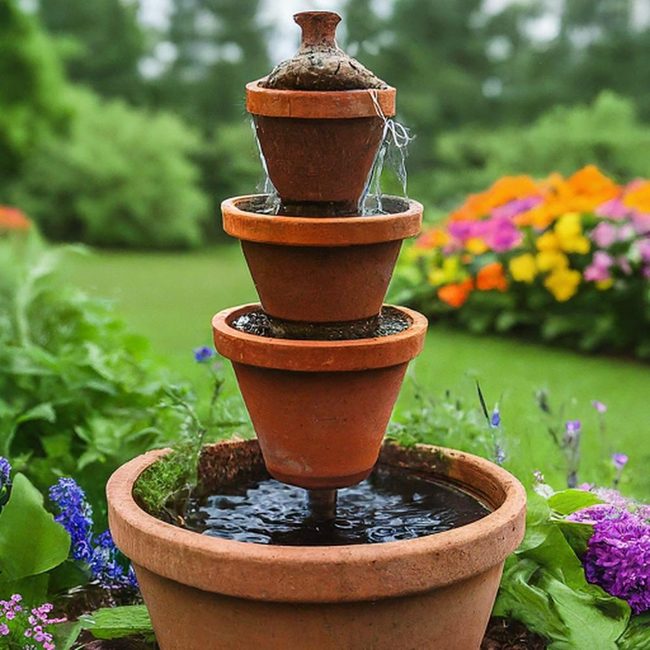
Building a tiered fountain with stacked pots and a pump gives you an eye-catching water feature that works in almost any exterior space.
Start by stacking your pots, with a drilled pot at the top so water can cascade downward naturally.
You can use a planter as your base with a smaller pot on top, or go bigger with a large pot as the foundation and add additional tiers for more height and drama.
Want something even more impressive?
Just keep adding pots to expand your design and make it taller.
Pick a pump with enough power to push water all the way to the highest tier without struggling.
You will also need a reservoir large enough to hold adequate water and sustain the flow without running dry between refills.
Once everything is stacked and connected, your fountain becomes an instant socializing starter that brings movement and sound to your garden.
Water Fountain Weekend Patio Project
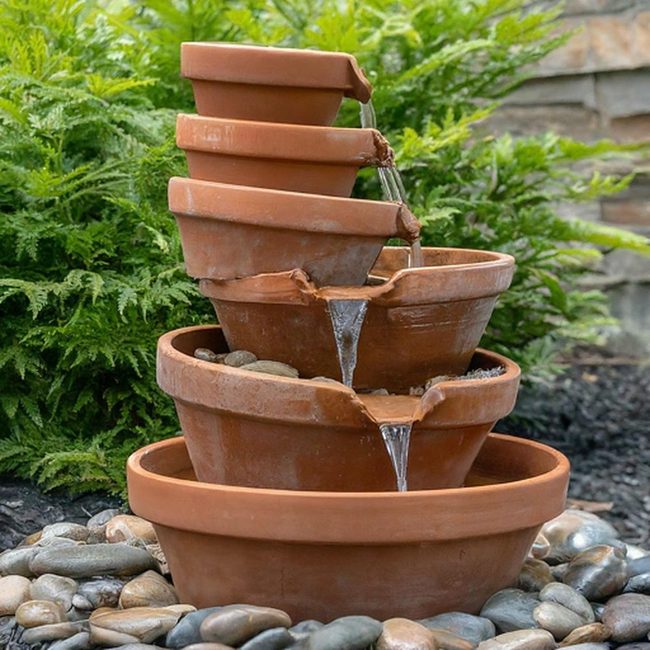
Building a recirculating fountain brings the soothing sound of water right into your garden space without requiring the upkeep of a full pond or expensive installation.
You can set one up in just a weekend using basic materials and simple steps that any gardener can follow.
Small patios and balcony gardens benefit greatly from this option since fountains take up minimal room while delivering maximum relaxation.
Construction is straightforward, and maintenance stays simple once everything is running.
Whether you're looking for background sound or just a reason to spend more time outside, a recirculating fountain delivers both without complicated plumbing or constant cleaning demands.
Step-by-step guides make the whole process manageable from start to finish.
Water features like this one make any garden corner feel more complete and restful.
Cascading Water Yard Fountain Feature
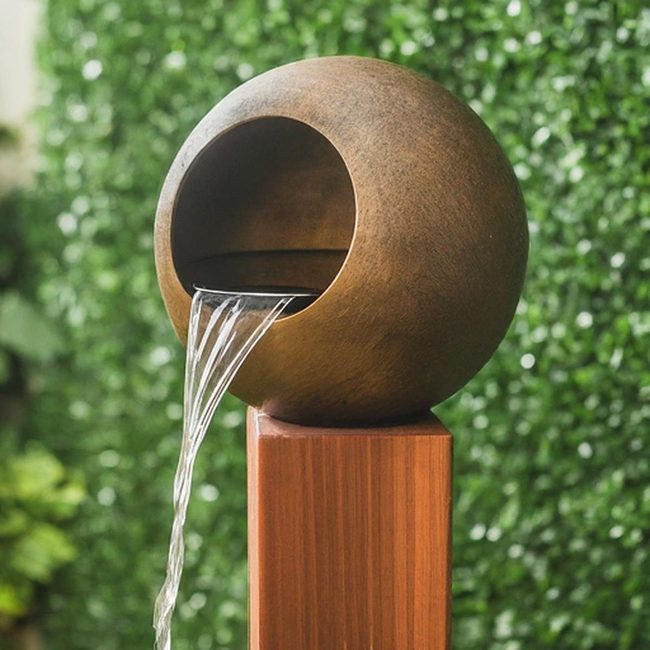
Water cascading down the sides of a tiered fountain catches the light and immediately draws attention to your garden bed, making it one of the first things people be aware of when they step outside.
You can build this fountain yourself without any special skills, and the best part is that you get to choose how large or small you want it to be based on your space.
Basically, a spill pot is just a regular pot with a hole drilled in the bottom so water flows from the inside and spills over the edges into the basin below.
Setting one up takes just an afternoon, and once it's running, the gentle sound of moving water becomes a soothing background element in your outside area.
If you want to adjust the size later, swapping out the pots for different ones is simple and costs very little.
Many people add aquatic plants or smooth stones around the base to blend it naturally into their landscape.
This type of water feature works in almost any garden style and keeps your space feeling fresh and alive.
Planter Water Fountain Diy Project
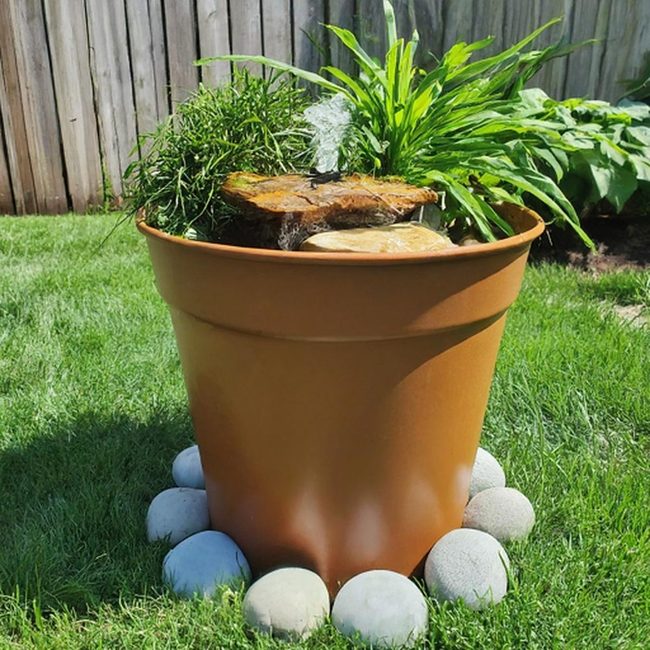
Building a garden fountain from a planter is a straightforward project you can finish in just a few hours, and you have the option of buying a ready-made kit or assembling one yourself.
Start by selecting your planter to serve as the water reservoir at the base of your fountain.
Inside this planter sits a pump that does the real work, pushing water upward through the center of the pot so it spills out at the top.
Once the water leaves the opening, it naturally flows down the outer sides of the pot and returns to the planter below, creating a continuous cycle.
The area works well for want to position the planter on level ground so water distributes evenly and doesn't splash to one side.
If you'd like, you can decorate the planter itself with paint or plants to match your garden style.
This simple setup brings gentle movement and sound to your outside space without requiring any complicated electrical work or professional installation.
Terracotta Urn Fountain Patio
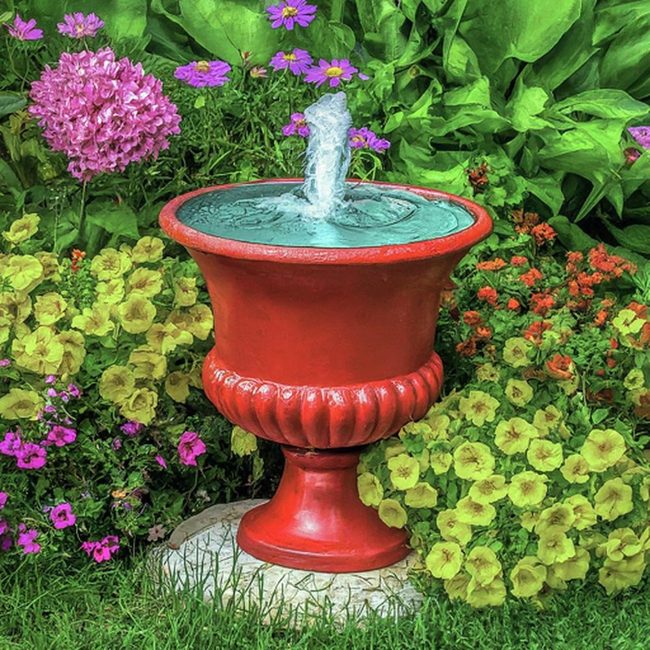
You can build a polished garden fountain using nothing more than a large urn and some basic supplies, and we enjoy how the classic design of the urn brings a cluster of color right into your outside space.
Water cascades from the urn down into a basin below, creating movement and sound that draws attention to your garden area.
Since this fountain doesn't take up much room, it works well whether you have a tiny garden or just want to add something special to an existing garden bed in your yard.
Many people choose this option because it's both simple to make and beautiful to look at.
You don't need fancy equipment or complicated construction skills to get this done.
Setting one up gives your outside area a polished appearance without requiring much effort or expense.
It's one of those projects where you get a lot of impact from a small investment of time and money.
Stacked Pots Water Cascade
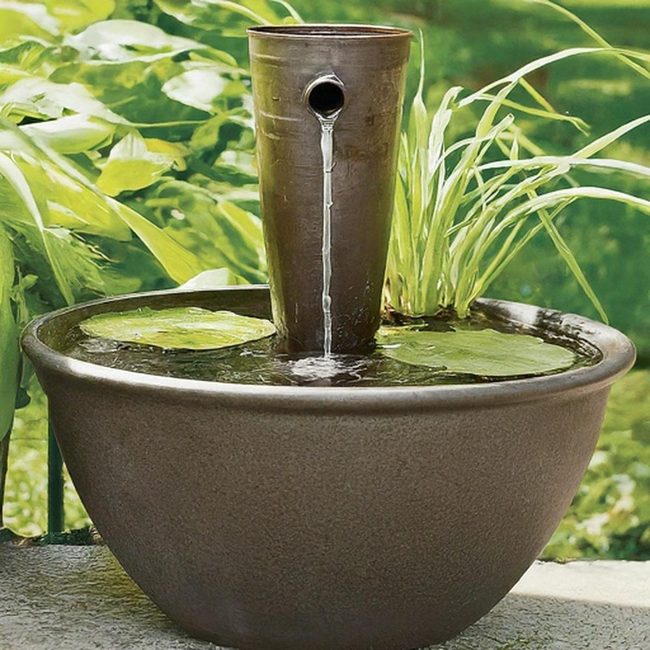
Building your own container water fountain is straightforward enough for anyone new to DIY projects, and the cascading water creates a distinctive focal point in any yard space.
You can stack different pots and containers in whatever way matches your personal style, making throughout fountain unique to your home.
Head to your local garden center to pick up a small pond pump, this is the essential piece that keeps the water flowing smoothly from one container to the next.All the customization options mean you can adjust heights, spacing, and container sizes to fit your exact preferences and yard décor.
River Rock Water Box Terrace
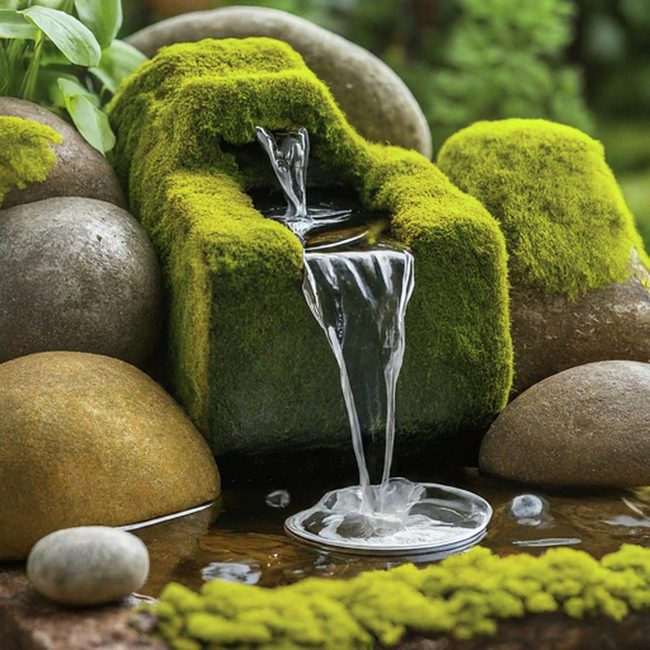
Building a rock box fountain offers you an eye-catching water feature that elevates any garden space without requiring excavation or pond liners, and you can finish the entire project in just one afternoon.
Using river rocks or whatever stones you already have available, you get to arrange them however you like to match your garden's style and personality.
If matching your garden's color scheme matters to you, waterproof paint lets you customize the rocks to fit your design plan perfectly.
This project works wonderfully for DIY beginners since throughout step is straightforward and doesn't demand special skills or tools.
You can adjust every aspect of the fountain based on what materials sit in your yard and what look appeals to you most.
Water features bring life and movement to open-air spaces, and this simple box fountain does exactly that without the headache of major landscaping work.
Liam Caldwell
Lead Designer & Innovation Strategist
Expertise
User-Centered Design, Creative Problem Solving, Modern Aesthetic Integration, Technology-Driven Design Solutions, Adaptive Space Planning, Trend Analysis, Sustainable Design Solutions
Education
New York School of Interior Design
Liam Caldwell brings fresh ideas to kreativk.net by turning everyday spaces into unique, inviting areas.
Living in Philadelphia and trained at the New York School of Interior Design, he mixes basic design skills with modern technology to make rooms both stylish and useful. Liam is passionate about sustainable design and always finds creative ways to improve the spaces where we live.