
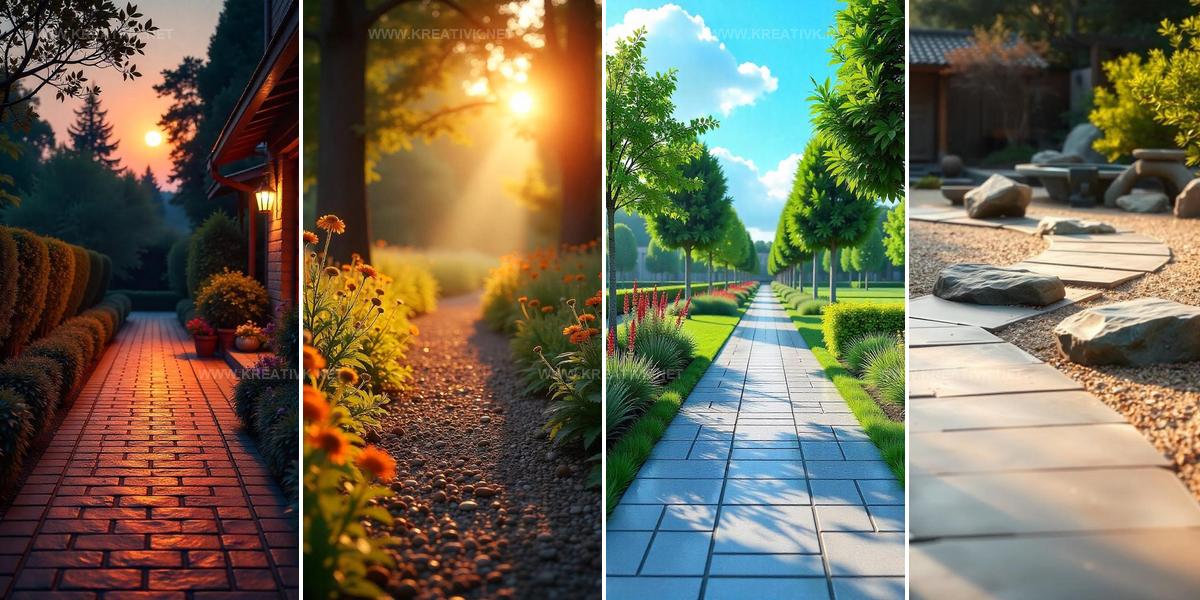
19 Creative DIY Walkway Ideas That Save Money
Cheap walkway ideas DIY can completely change how you experience and enjoy the outdoor spaces around a home without demanding a hefty budget or professional installation.
A well-designed path connects different areas of a garden or yard while adding structure and visual appeal that makes everything feel more intentional and polished.
Many homeowners assume that building an attractive walkway requires expensive materials and skilled labor, but countless affordable alternatives exist that anyone can tackle over a weekend.
From reclaimed materials to creative uses of gravel, wood, and stone, the options available fit nearly any aesthetic preference and skill level.
The beauty of handling such a project independently lies in the freedom to customize every detail according to personal style and functional needs.
Budget-friendly approaches often result in more character and uniqueness than standard contractor work anyway.
Finding the right combination of affordability, durability, and visual charm will give any outdoor area a refreshed look that feels both purposeful and welcoming.
Large And Small Stone Pathways
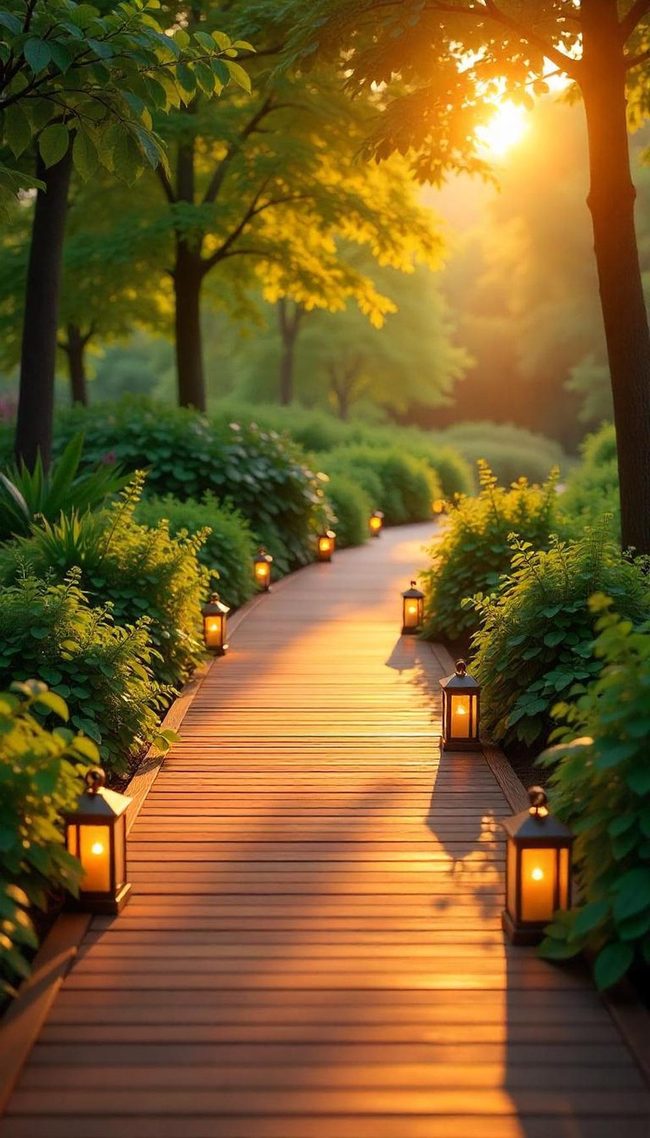
Natural stone pathways offer endless possibilities for transforming your open-air space, and the most striking option is combining large and small stones together to form a decorative surface that adds pops of color throughout your landscape.
You can also lay down a single row of larger stones to form stepping stone paths that guide visitors through your garden in an graceful way.
Buying stones in bulk allows you to design pathways with random patterns or use them to frame simple mulch and wood chip borders without spending much money.
One of the best benefits is how well stone works in areas where water tends to collect, since it handles flooding better than many other materials.
Whether you want something simple or more detailed, stone gives you the flexibility to match your style and needs.Adding these pathways is a smart way to improve both the look and function of your open-air areas.
Concrete And River Rock Pathway
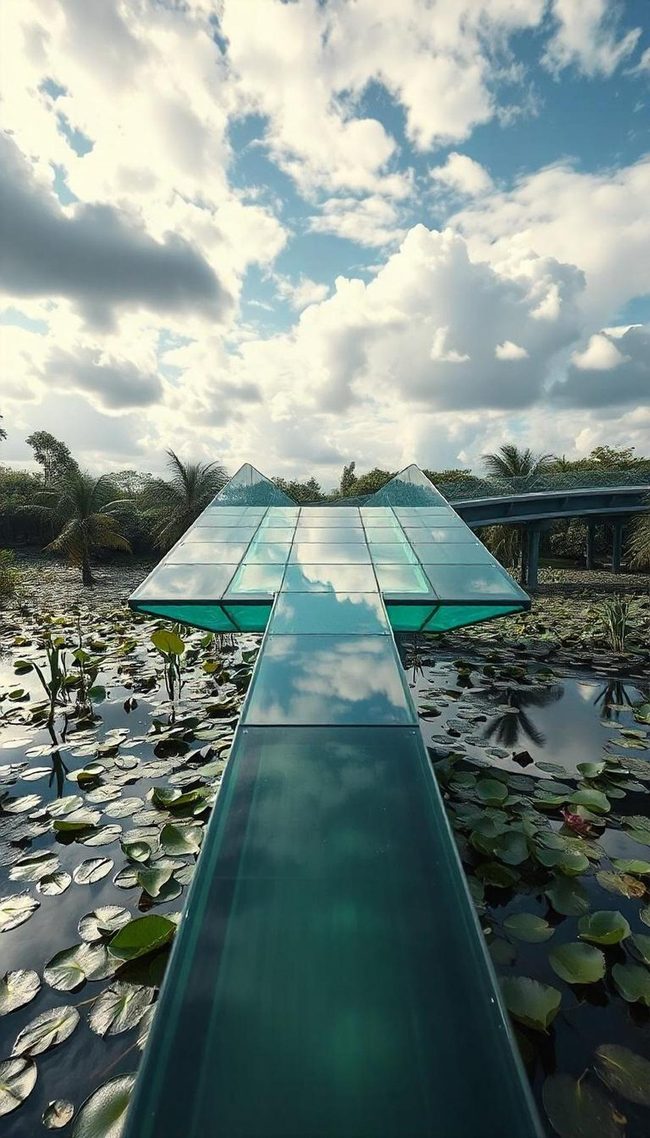
When you want your outside space to feel fresh and current, concrete serves as an excellent foundation for your walkway, and river rocks layered on top deliver that polished, contemporary aesthetic that suits today's home designs.
The smooth surface of the concrete paired with natural stone creates visual interest without appearing fussy or overdone.
You have the freedom to experiment with rocks in various colors and sizes, allowing you to build unique patterns or simple geometric designs that reflect your personal style.
This combination feels both clean and grounded, which is what makes it so appealing for modern landscapes.
Setting up this kind of walkway doesn't require special skills, and the maintenance stays straightforward since the concrete handles the heavy lifting while the rocks add character.
Building these patterns can be as simple or as complex as you want, depending on your mood and how much time you want to invest.
Stone And Pebble Terrace Pathways
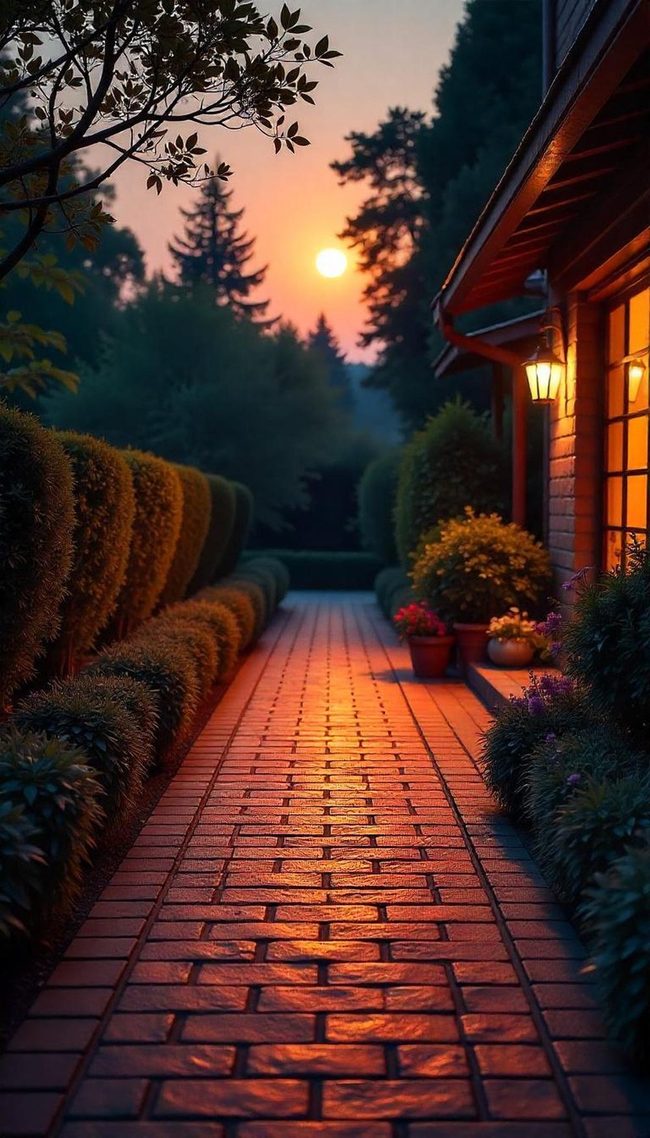
Mix stone and pebbles together for a walkway that looks naturally beautiful and organic.
Large stones become stepping stones along the path while small pebbles fill in the spaces between them, and this combination gives your garden an earthy feel that belongs there.
You aren't limited to just these two materials either, you can apply the same mixing technique with pavers and mulch or gravel and slate to achieve similar results.
Experimenting with different material combinations lets you build paths that feel less rigid and more like they grew naturally in your patio space.
The texture variations keep the walkway from feeling flat or boring.
You can adapt this method to fit your garden's existing style and the materials you have available.
Curved Gravel Pathways Expand Small Yards
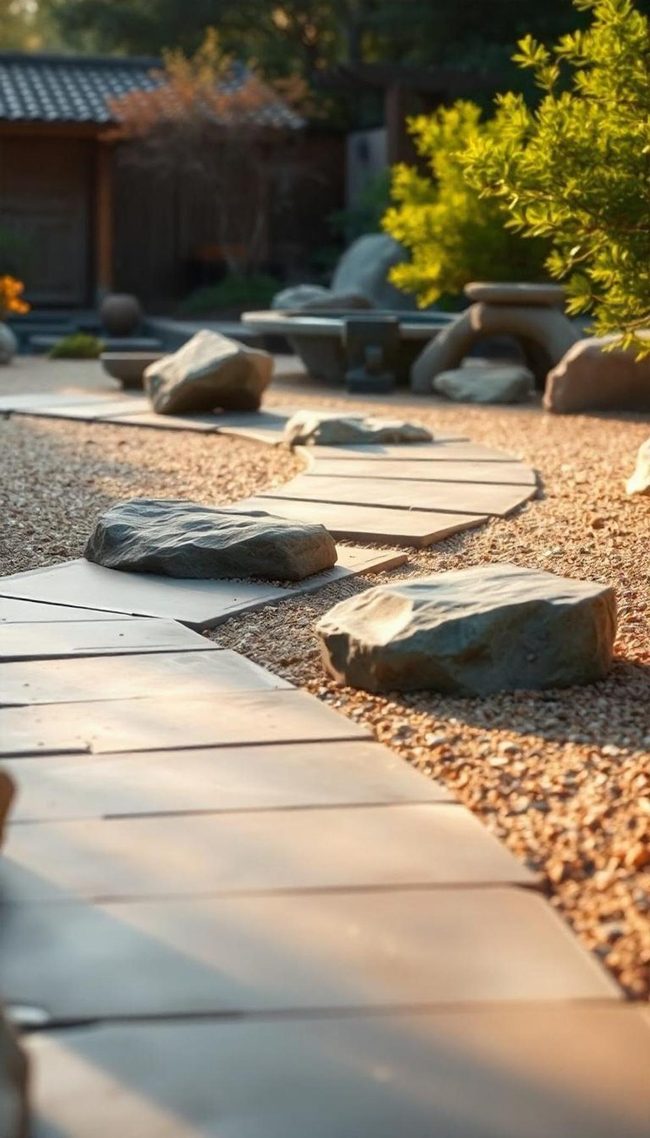
Curved pathways give you a fantastic way to add movement and flow to your garden space, and this works especially well if you're working with a smaller yard since the winding route makes everything feel more expansive and less rigid.
Start by laying out a garden hose to map the shape you want, then use a shovel to dig along that line and form your trench.
Once you've got the basic structure in place, you can fill it with whatever material appeals to you, gravel, stepping stones, mulch, or pavers all work beautifully.
Beyond just looking more relaxed and organic than straight lines, curved paths naturally guide people through your space and encourage exploration of different garden areas.The best part is that you control both the depth and width based on your needs, so whether you're creating a -toned accent or a main walkway, the method stays straightforward and achievable for any gardener.
Square Concrete Pavers Easy Walkway
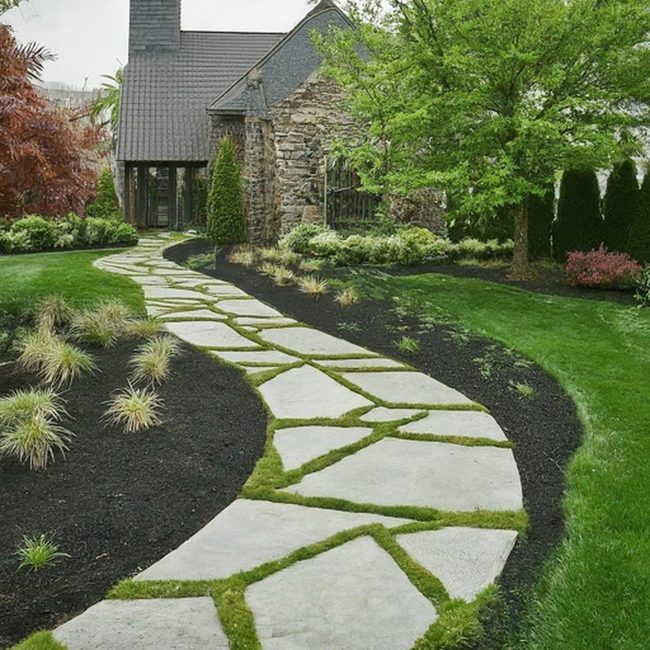
When your walkway shows cracks, dips, or just looks worn out, replacing it with 18×18 concrete pavers gives you a fresh new surface without spending a fortune on the job.
Getting started means clearing away the old walkway first, then digging down to the right depth and laying a foundation of crushed stone and sand for proper support.
Once your base is ready, you set the pavers in place and fill the spaces between them with sand to lock everything in position.
Many people find this project rewarding because you learn real skills that apply to other paving work, and the payoff is a durable walkway that stays nice for years.
It takes more effort than some simpler fixes, but nothing about it is beyond what someone willing to learn can handle.
The space can end up with an yard path that looks and functions perfectly, all while keeping costs low and gaining confidence in your own building abilities.
Red Brick Paver Running Bond Walkway
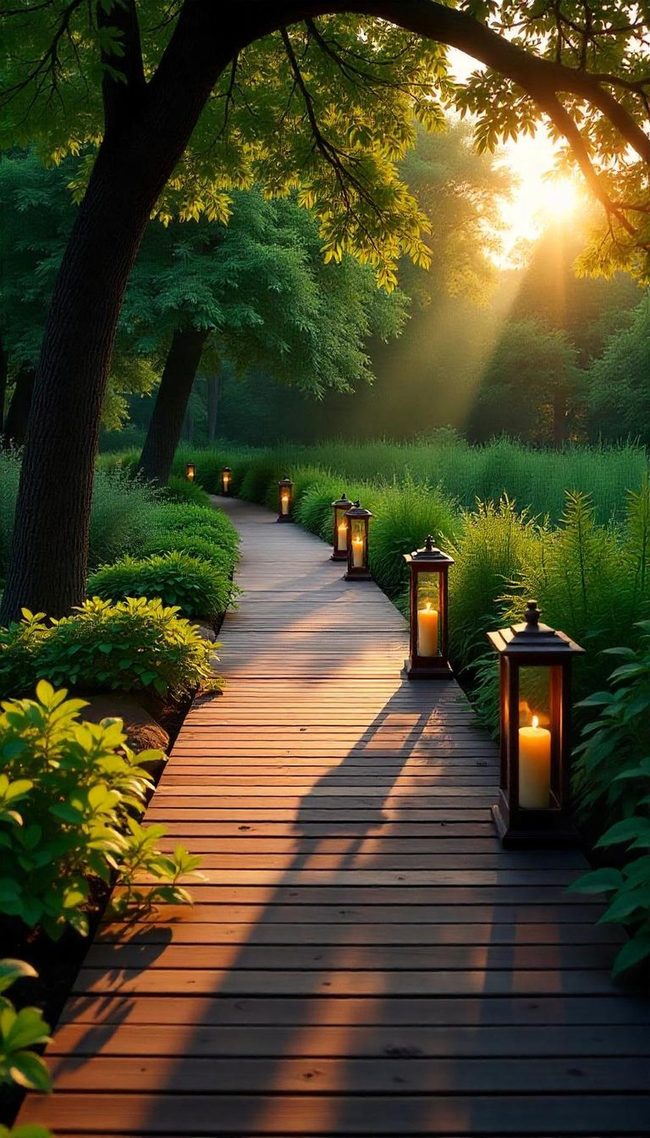
Red brick pavers introduce a striking, timeless walkway that you can customize in multiple ways, whether you choose new or reclaimed bricks in various colors and sizes.
Laying them in a running bond pattern offers both beauty and strength, with bricks staggered so the joints never align and introduce visual interest across your pathway
You might find 4-by-8-inch bricks work particularly well for this style.
If running bond doesn't appeal to you, herringbone patterns provide another durable option that looks equally appealing and adds a different rhythm to your walkway design.
Both patterns give you a reliable foundation while keeping the installation process manageable for most homeowners.
Brick remains one of those materials that works across many garden spaces and never feels out of place or dated.
Large Stone Pavers Simple Pathways
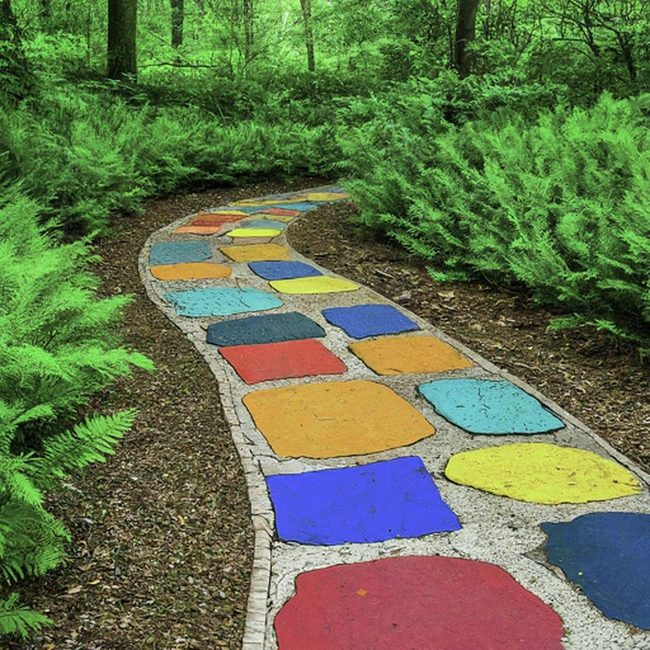
Large pavers make an excellent choice when you want a walkway that stands out without requiring a lot of expense or effort.
You can arrange pavers in a simple line to direct foot traffic and establish a clear route through your space.
Mixing different types of pavers together gives you a more personal, varied appearance if that appeals to you.
If you have extra pavers from another project sitting around, this is a useful for everyday living way to put them to use.
Even just a handful of well-spaced pavers can transform how people move through your garden or yard and add structure to the layout.
You get the benefit of a defined walkway without the formal, overdone look that comes from covering every inch of ground.
Earthy Timber Slats Meet Concrete Walkway
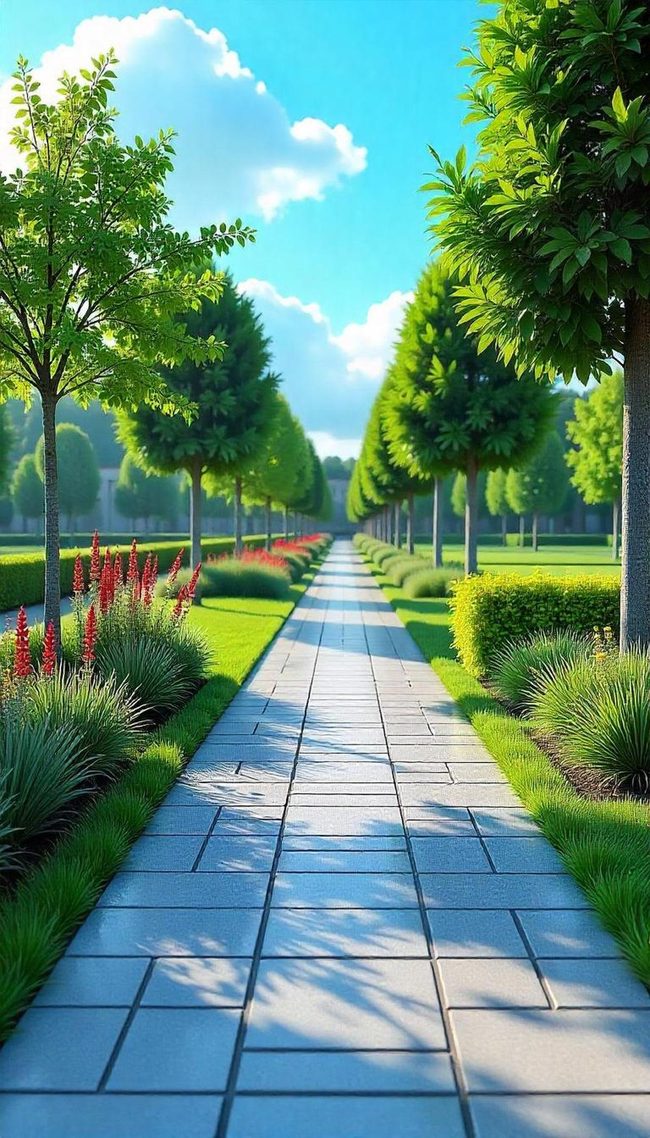
Mixing wood slats into a concrete base creates a striking modern walkway that catches the eye with its geometric arrangement and natural warmth.
You can lay the wood pieces at varying angles across the solid concrete foundation, and this simple combination brings both color and texture to what would otherwise be a flat, plain surface
Stone or brick work just as well if you prefer those materials and want to achieve the same layered effect.
Swapping out a basic concrete path for one with mixed materials is an affordable way to boost your home's garden appeal.
The contrast between the hard concrete and organic wood grain adds character that your visitors will immediately sense when they walk up to your door.
Wood elements bring warmth that concrete alone cannot provide, and the two materials together feel balanced and .
Composition works because you are not covering up the concrete but rather letting both materials shine in their own way.
Mixed Stone And Gravel Walkway Budget
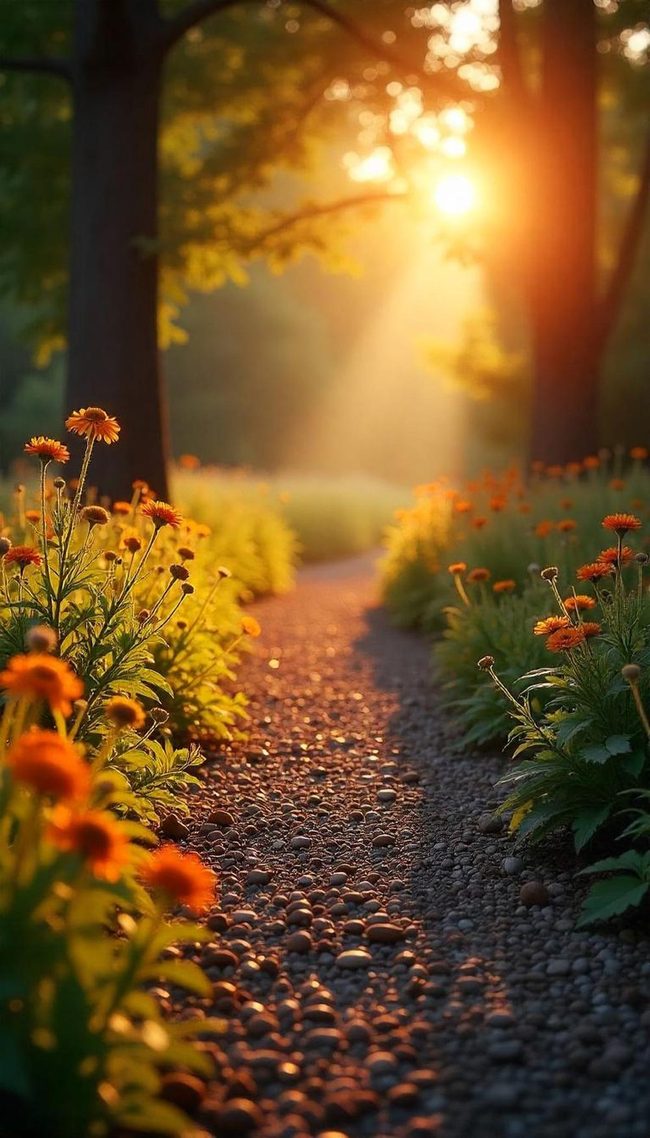
Mixing stone pavers and gravel together lets you build an attractive walkway without draining your budget, and flagstone works especially well for this since it's an affordable natural stone that comes in different colors and shapes.
Combining flagstone with gravel gives your path real personality and helps you add interesting color and texture to your yard at a fraction of the cost of using premium materials alone.
You can also blend bricks and other stone varieties into the mix to customize how your walkway looks.
Through this design, works because you're spreading out your spending across several materials instead of relying on one expensive option.
The varying textures and tones from mixing different elements make the path feel less plain than a single material would.
Gravel fills spaces between larger stones and adds visual interest while keeping costs down.
If you want something that looks polished without the high price tag, this combination gives you exactly that.
Stone Stepping Paths Through Yard
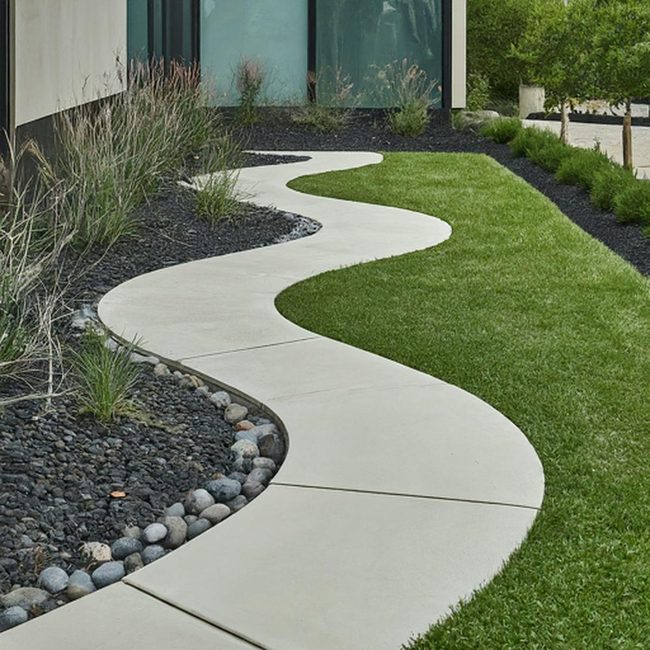
Stepping stone paths offer a straightforward way to build a functional walkway that refines bare ground into an organized route through your patio space, and they're perfect for using up extra stone pavers sitting around your yard.
Start by laying out your stones along the route you want your path to follow, then dig individual holes sized to fit across stone snugly.
For added stability, fill across hole with gravel or concrete before setting the stone in place, which keeps everything secure and level.
Around the stones, you can spread soil or mulch to help them blend seamlessly with your garden beds and make the whole path feel like a natural part of your landscape.
Composition gives you a polished walkway without needing to pour a full concrete slab or hire anyone to do the work.
Gray Square Pavers With Grass Edges
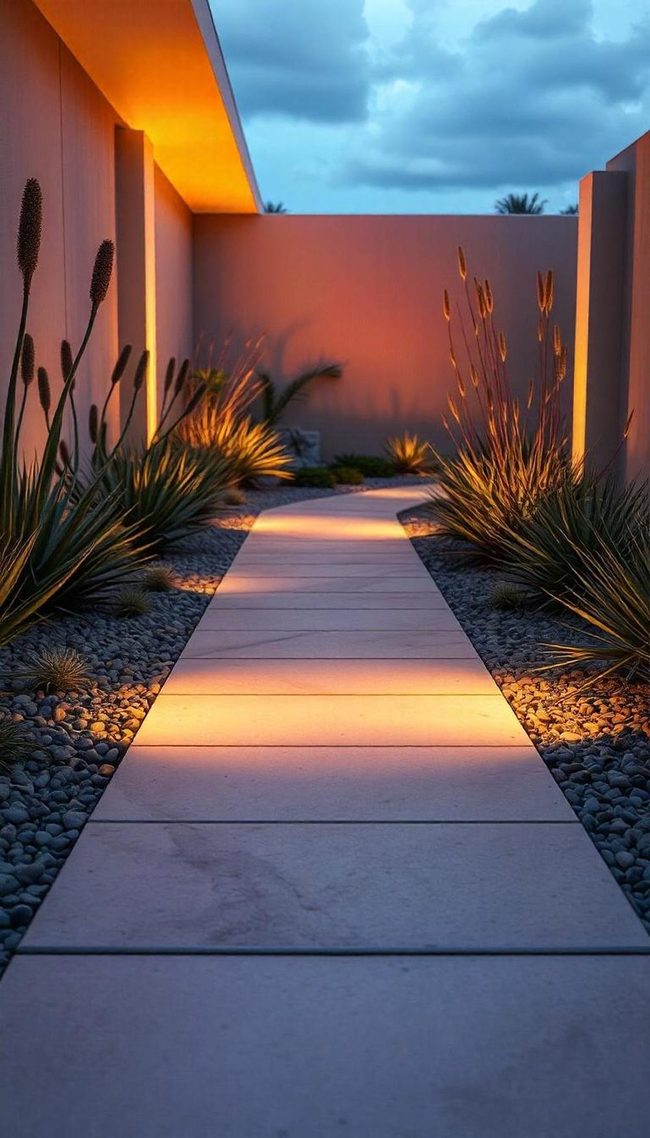
Large square pavers arranged in a staggered pattern form the bold foundation of a modern walkway, and their geometric design immediately catches attention with clean lines and contemporary style.
Grass borders running alongside the pavers deliver a natural contrast that balances the hardscaping and prevents the space from feeling too rigid or harsh.
If grass doesn't suit your space, you can swap it out for gravel or mulch to achieve a similar softening effect while maintaining that current aesthetic.
Beyond looks, lining your walkway with ground cover serves a adaptable to different needs purpose too, it holds the pavers in place and stops them from shifting over time.
Pavers remain one of the most budget-friendly options for building a functional walkway, and their flexibility with patterns and layouts means you can customize the design to match your home's style.
Whether you go with a traditional arrangement or try something bolder, this combination gives you both visual interest and a solid path that lasts.
Winding Flagstone Path Through Gardens
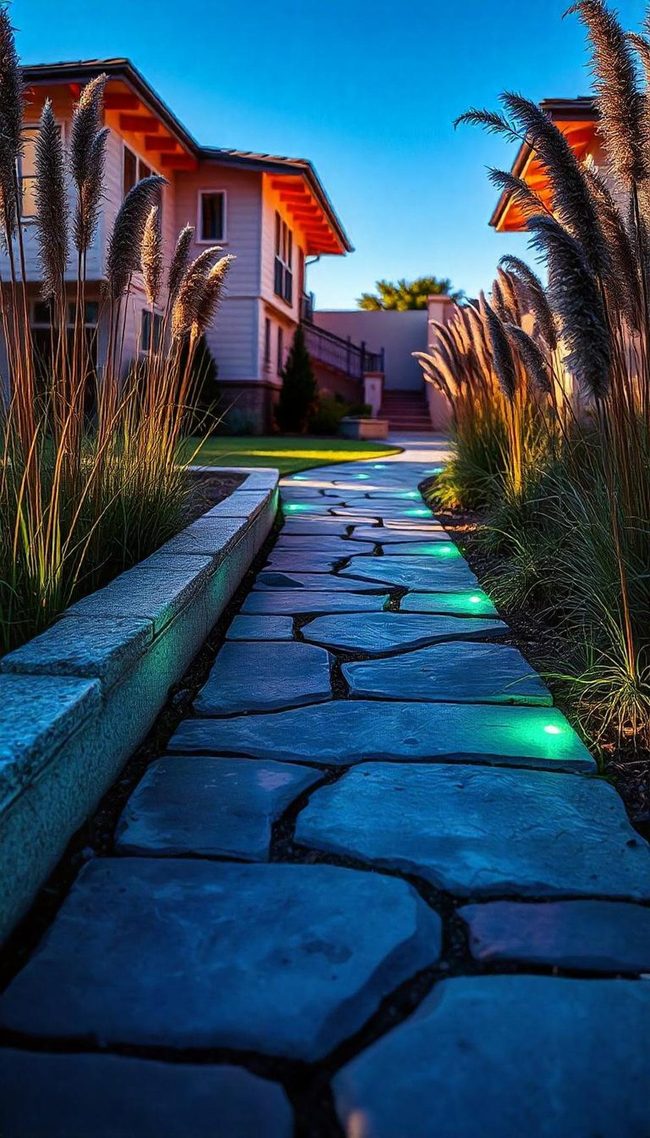
Large flagstones laid out in a winding pattern across your garden set up an immediate visual statement that guides you through the space and makes the landscape feel intentionally designed.
If your garden is spacious, with the layout, lets you move through it while discovering different plants and flowers along the way.
You have plenty of options when it comes to stone choices, so mixing various types and colors allows you to build a look that matches your style.
Nestling plants between the stones helps the path blend seamlessly into the surrounding garden rather than looking like an afterthought.
It's a straightforward project that doesn't require professional help or advanced skills.
Your exterior space becomes easier to navigate while staying beautiful and natural-looking.
Affordable Slate Herringbone Walkway
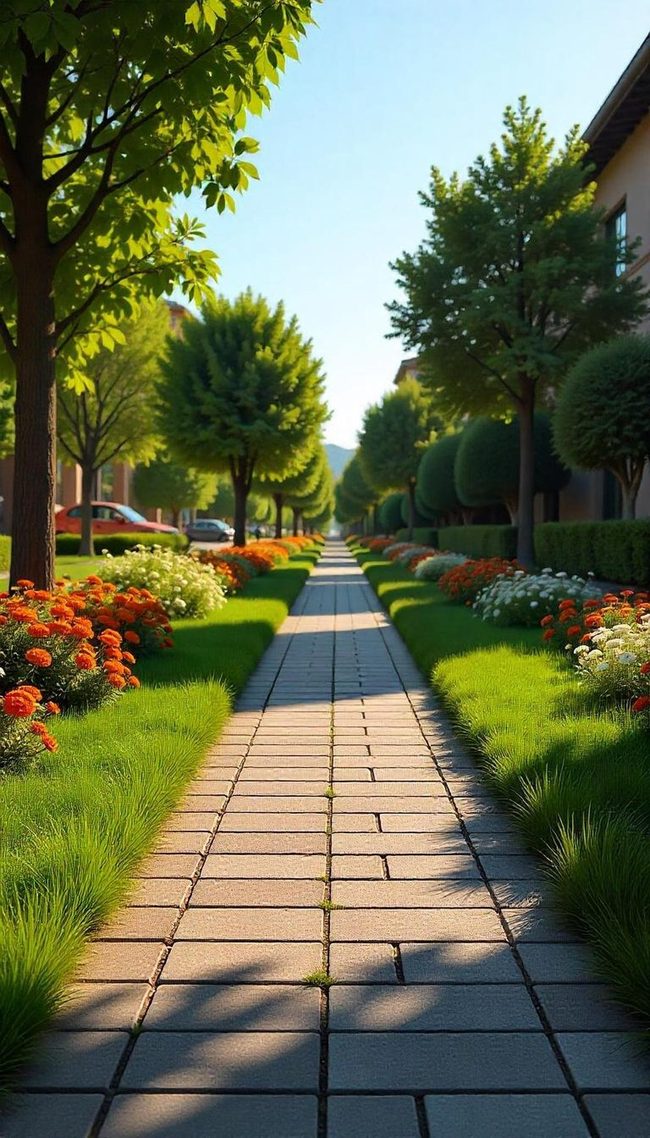
Slate tiles offer a visually engaging natural stone option for your walkway, and what's even better is that they won't break your budget compared to other stone choices.
It becomes easier to find these tiles in numerous colors and shapes, so arranging them into a pattern that matches your patio space is straightforward and fun.
One homeowner laid their tiles in a herringbone pattern, setting them right onto the ground and edging them with pea gravel for a polished look.
This simple approach delivers impressive results without requiring extensive work or expense.
Slate gives you that high-end appearance people expect from quality landscaping materials.
It's one of those rare solutions where you get luxury style and affordability together.
Building a walkway this way means you spend less money while still impressing anyone who visits your home.
When you choose slate, you're making a smart choice that balances beauty with user-friendly spending sense.
Brick Pavers Timeless Pattern Options
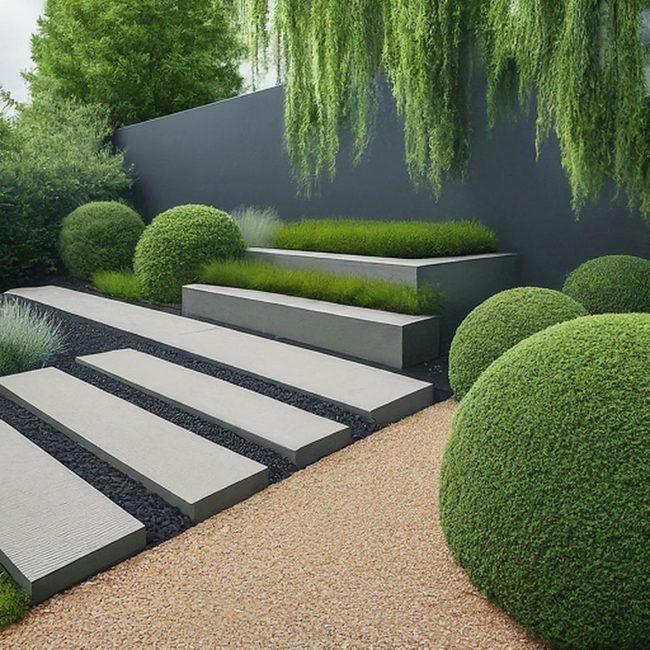
Brick pavers deliver that timeless, warm aesthetic that never goes out of style for walkways and patios, and you can pick from numerous colors and patterns to match your personal style.
You get creative freedom too, laying them in herringbone, basket weave, or running bond patterns lets you design something totally unique to your space.
Installation turns out to be straightforward when you follow basic steps: spread a sand or gravel base, position your pavers, and fill the gaps between them with more sand or gravel.
Since brick pairs well with almost any landscape style, from cottage gardens to modern yards, you won't struggle finding the right look.
Whether you're working on a small entryway or an expansive exterior living area, arrangement works across different project sizes and budgets.
Geometric Concrete Pathway Molds
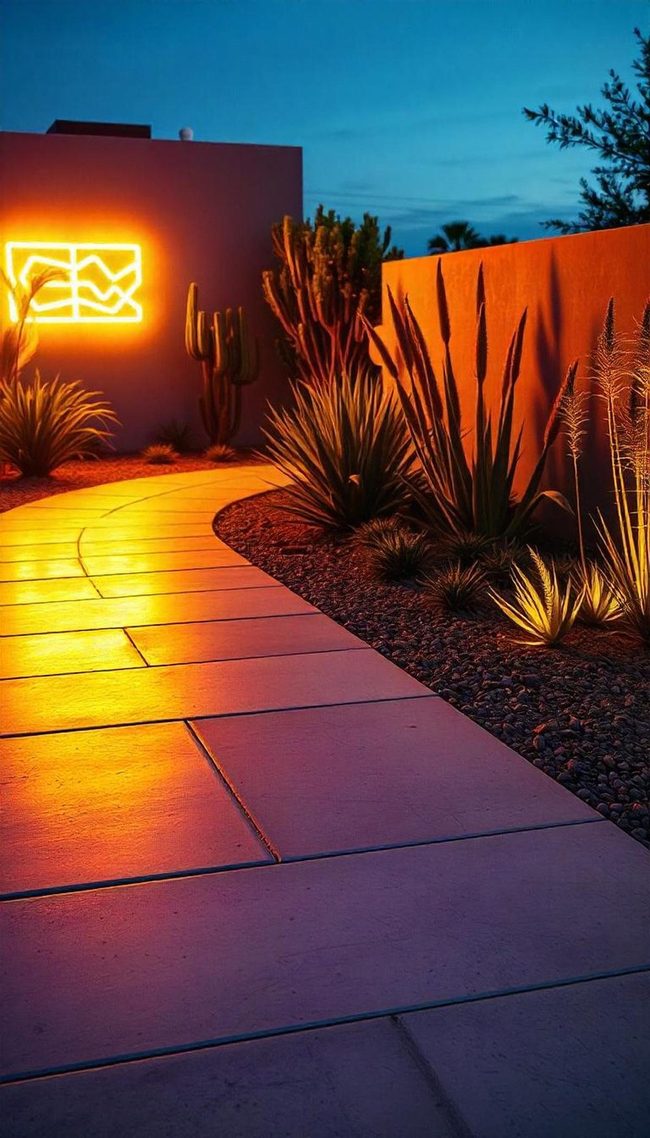
Concrete molds let you build a walkway with any design you want, from geometric shapes to decorative patterns that stand out in your yard.
You pour concrete into the mold, wait for it to harden, and then lift the mold away to reveal the finished section.
Since these molds are reusable, you can use them for other projects around your patio space once you're done with your walkway.
Building a custom walkway this way is something most people can handle on their own, though it does ask for patience and steady work.
In all section needs time to set and cure before you move on to the next one, so rushing won't help.
By repeating this simple process as many times as needed, you will end up with a personalized walkway that reflects your style.
It's a project that moves at its own pace, but the reward is a durable, one-of-a-kind pathway you made yourself.
Glowing Resin Rocks Lamp Pathways
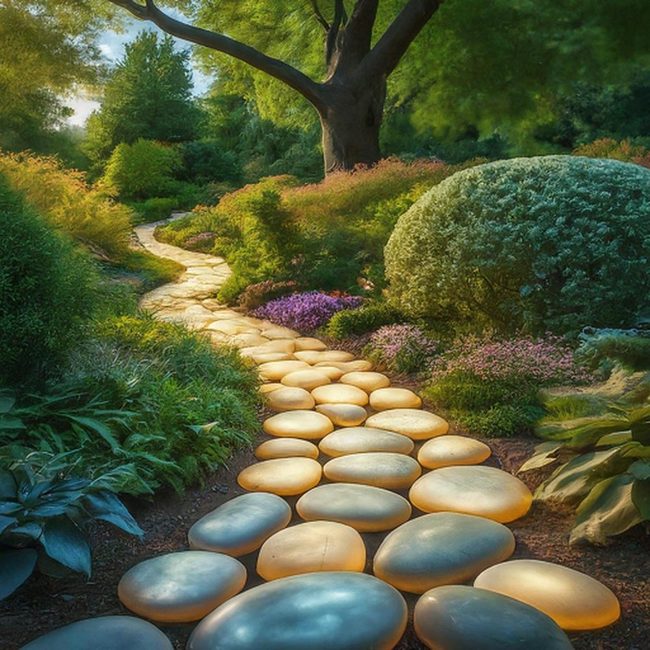
Luminous rocks offer one of the most striking ways to light up a walkway, glowing softly in the dark without needing any electricity or wiring.
Made from translucent resin filled with glow-in-the-dark powder, these rocks absorb sunlight during the day and release that energy as a gentle luminescence after sunset.
You can arrange them as a simple border along your path or use them to fill the entire walkway surface, depending on how dramatic you want the effect to be.
Green, blue, and white options let you match the glow to your home's style and landscape.
Since they don't require an electrical connection, you won't see any increase in your energy bill, making them a budget-friendly choice compared to traditional landscape lighting systems.
Installation is straightforward, you just position them where you want them and let the sun do the work across day.
For anyone looking to add nighttime visibility and visual interest to their open-air space without the hassle of wiring or maintenance, luminous rocks deliver both function and appeal.
Gravel Pathways Low Maintenance Budget Option
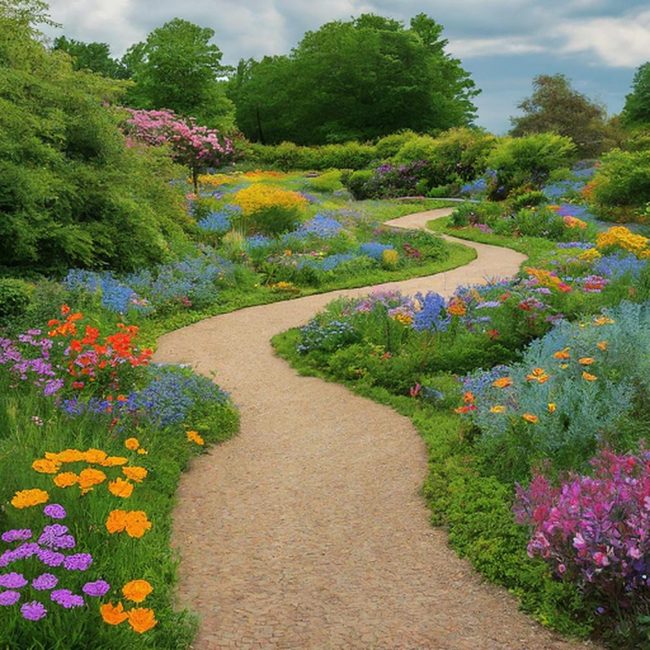
Gravel walkways stand out as one of the most budget-friendly and simple options for creating garden paths, and getting started requires just a few basic steps that you can handle yourself.
First, level your ground and lay down a weed barrier to prevent unwanted plants from popping up, then spread your gravel evenly across the surface with a rake.
Once your walkway is in place, maintenance becomes refreshingly easy since gravel doesn't demand much attention or special care.
Over time, you may see some gravel shifts away from the path as people walk on it, so it becomes easier to occasionally need to top it up with fresh material to keep everything looking full.
Between those top-ups, a quick rake smooths out any uneven spots and restores the neat appearance you want.
Most people find arrangement works well because it saves money compared to other materials, and the work involved stays minimal throughout the year.
Painted Ground Patterns Add Personality
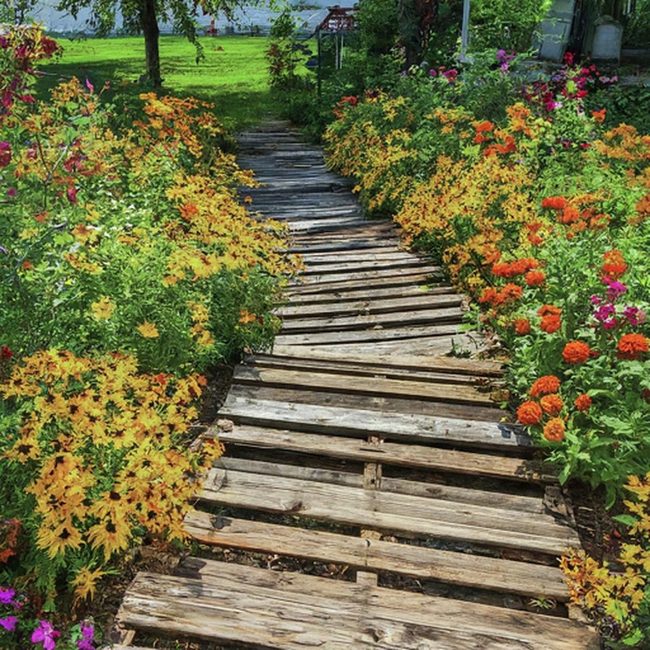
If you love adding color to your outside space but prefer something you can change down the road, painting a pattern on the ground is worth trying.
Ground painting is a fun DIY project that lets you experiment with whatever design appeals to you, whether that's a simple checkerboard or something more complex and detailed.
Sealing your work with a clear protective coat helps keep the paint from chipping over time.
You get to inject real personality into your yard with with this layout,, and it won't strain your wallet either.
It's flexible too, if you get tired of one pattern, you can always paint over it and try something new.
This kind of project lets you see how bold colors or designs feel in your space before making any bigger decisions about your outside area.
Crushed Limestone Budget Walkway Solution

Crushed limestone works wonderfully as an affordable walkway material that delivers real visual appeal without breaking your budget.
You can lay it down as a base layer and top it with pavers for a finished look, or simply leave it bare and let it serve as your main walking surface.
What makes limestone such a smart choice is how it costs significantly less than granite or marble options, yet still gives your yard that natural, rustic character many homeowners want.
Another option is creating a dry-set flagstone path by using the limestone as your foundation layer.
Since crushed limestone offers similar benefits to pricier gravel alternatives, it stands as one of the most useful for everyday living solutions for anyone looking to add defined pathways without spending a lot.
You get the durability and appearance of a quality walkway while keeping costs down and maintaining that earthy aesthetic your yard deserves.
Ava Jensen
Founder & Chief Creative Officer
Expertise
Holistic Interior Design Approach, Space Planning & Functional Layouts, Sustainable Design Practices, Digital Fabrication & Innovative Technologies, Residential & Commercial Project Management, Integration of Traditional and Modern Design Principles, Studio-Based Creative Problem Solving
Education
Westphal College of Media Arts & Design
Ava Jensen is the heart of kreativk.net. Based in Philadelphia, she combines classic and modern design methods to create spaces that are both beautiful and practical.
Trained at Westphal College of Media Arts & Design, Ava focuses on building sustainable homes and offices using smart, digital tools. She enjoys working with eco-friendly brands and loves sharing her knowledge with new designers.